Ziaja Med Under the Microscope: What Makes These Formulas Interesting?
Have you ever picked up a skincare product because one ingredient sounded impressive? I certainly understand the temptation. Peptides are everywhere in products for mature skin, while urea is often recommended for dryness. But the ingredient on the front of the packaging is only part of the story.
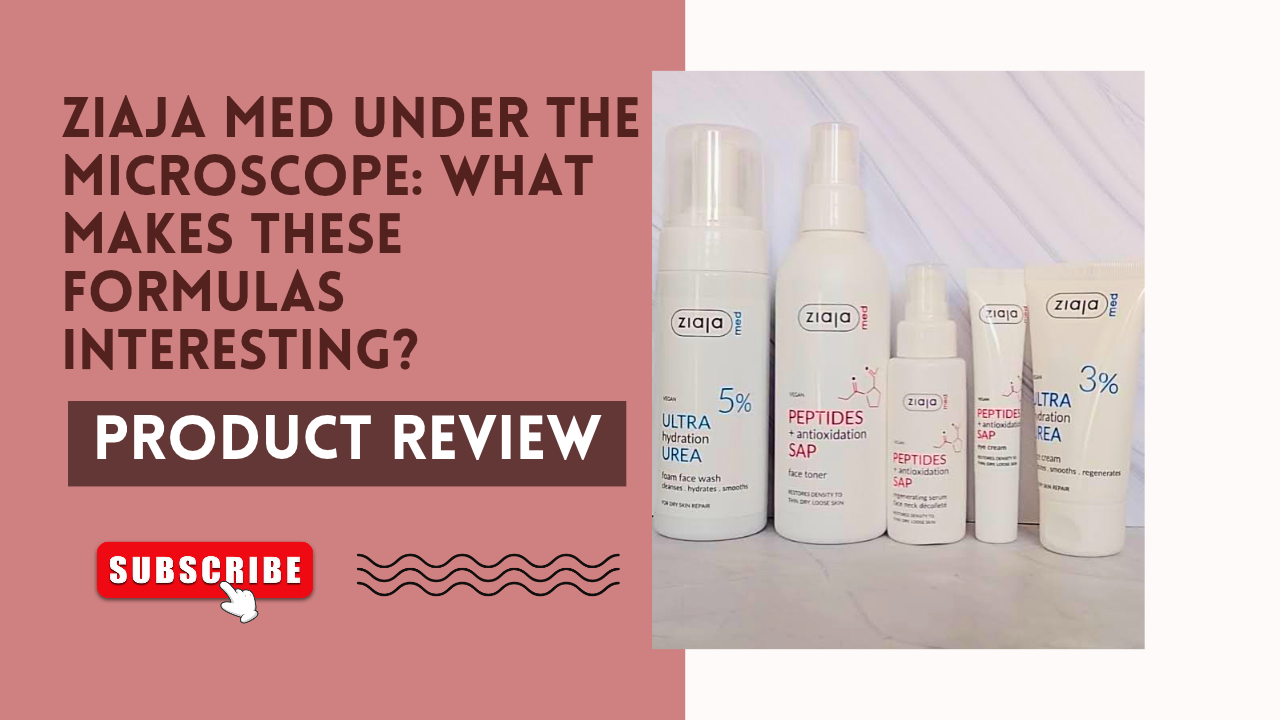
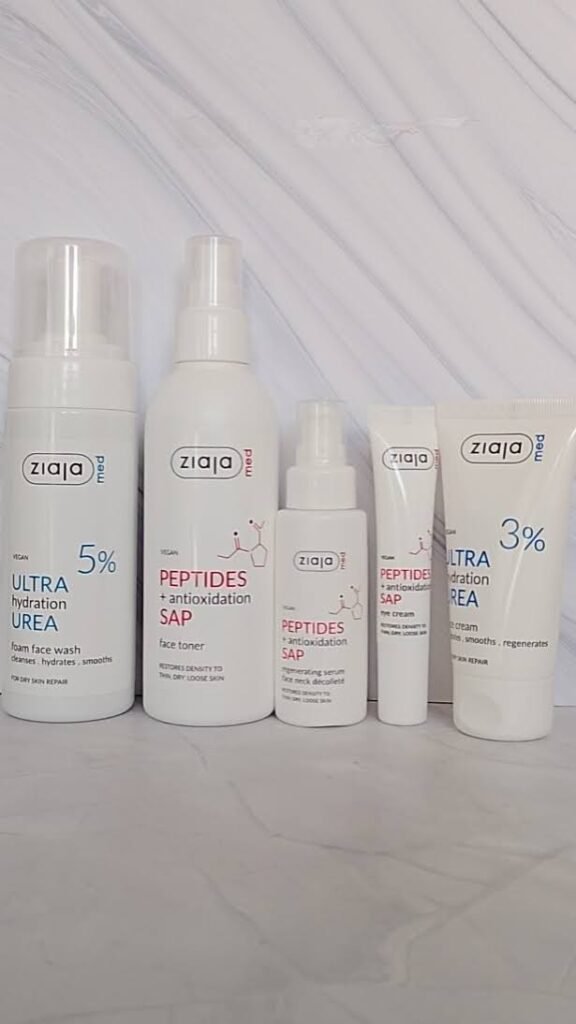
As a chemist, I enjoy looking at what is inside a product and, more importantly, how the ingredients work together. For this review, I have been looking at five Ziaja Med products: the Peptides Eye Cream, Face Toner and Regenerating Serum, plus the Urea Ultra Hydration 5% Foam Face Wash and 3% Face Cream.
My skin is dry and dehydrated, so hydration and comfort are especially important to me. I also want to know whether a product is practical to use every day, not just whether its ingredient list sounds exciting. Here is what I found interesting about these formulas and what I would look for when testing them.
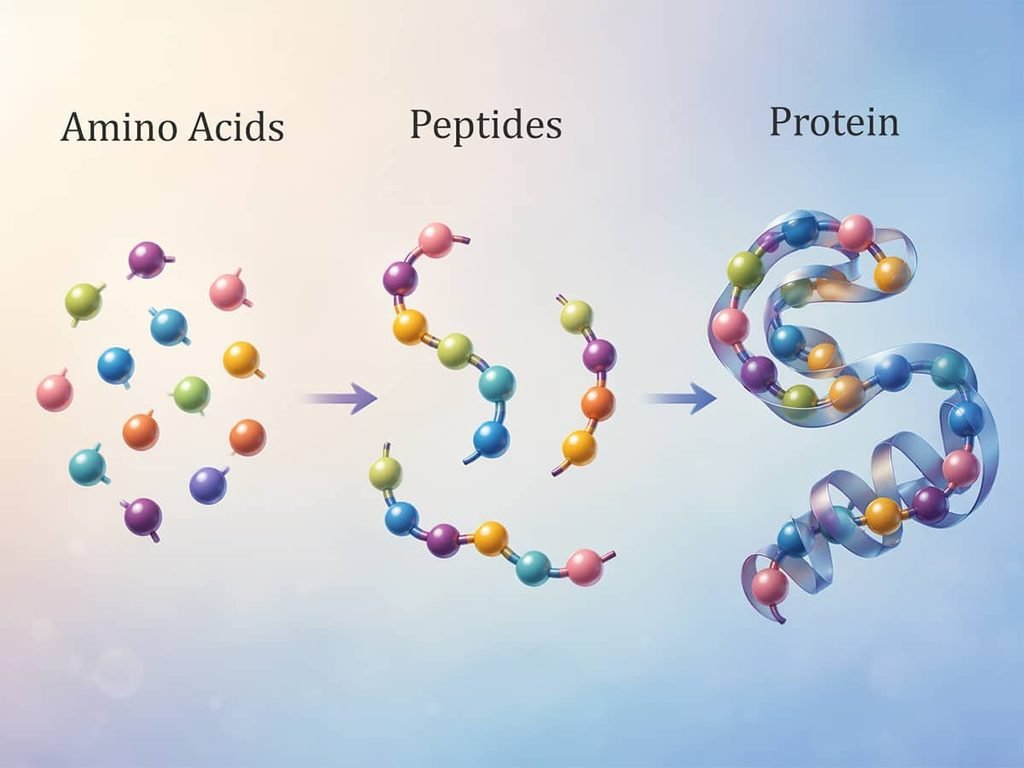
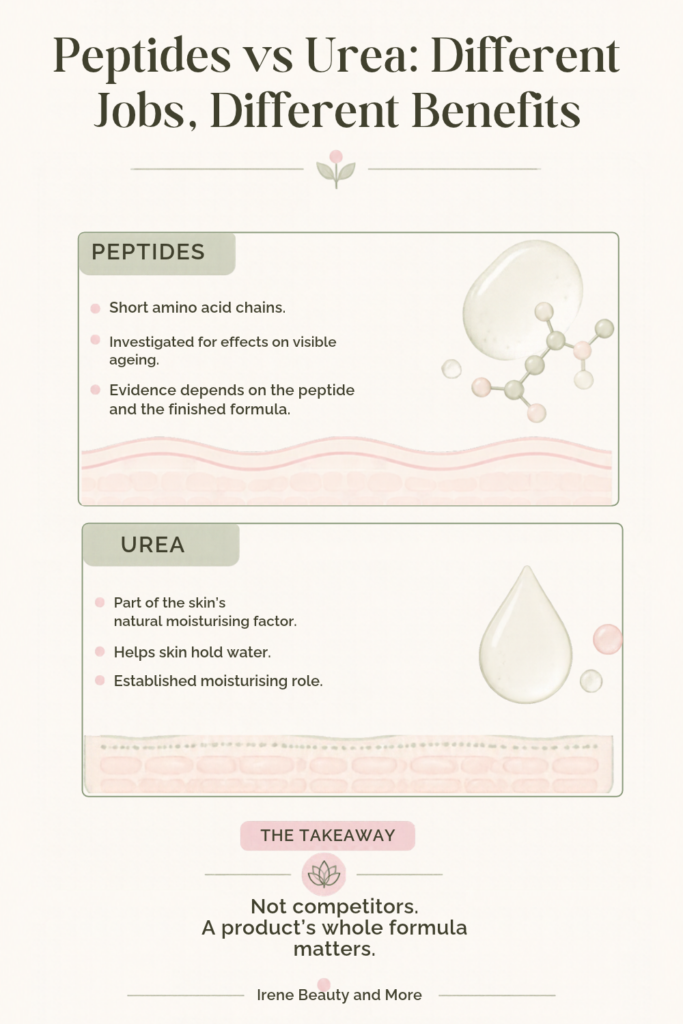
First, what do peptides actually do?
Peptides are small chains of amino acids, the building blocks for building proteins. Some skincare peptides are studied for their potential to influence processes linked with the skin’s structure and appearance. That is why they often appear in products aimed at fine lines and wrinkles.
The important word here is “some”. Different peptides do different jobs, and research on one peptide does not automatically apply to another. You may see terms such as signal peptides, carrier peptides or peptides marketed for expression lines. Those descriptions tell us about the use of the ingredient; they do not guarantee that a cream will erase wrinkles.
Research is promising in places, but it is still limited for many peptides for direct skin application. A 2026 review of 19 clinical trials included mainly oral peptide studies; only two looked at topical peptides. We cannot take results from a collagen supplement and assume the same thing will happen with a face serum.
And there is another point I always come back to: a product can make skin feel smoother simply because it moisturises well. That is a genuine benefit, but it is not proof that the peptides have boosted collagen.
The three Ziaja Med peptide products
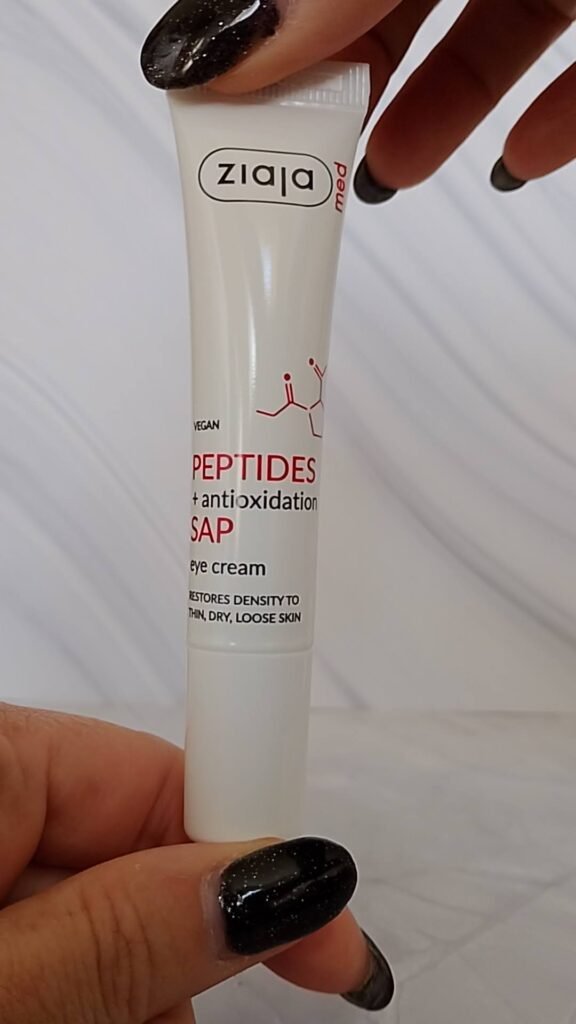
1. Ziaja Med Peptides Eye Cream — 15 ml
The eye area can show dryness very quickly, so a comfortable eye cream can be useful even if it does not perform miracles. Ziaja positions this cream for mature, wrinkle-prone skin and says it moisturises, smooths and helps improve the appearance of wrinkles.
The formula contains Palmitoyl Tripeptide-1, Palmitoyl Tetrapeptide-7 and Hexapeptide-9. The first two are often together in skincare, and they target at visible signs of ageing. There is also glycerin to attract water, canola oil and other ingredients to soften skin, plus niacinamide, a vitamin C derivative and a vitamin E derivative.
What do I take from that? It is not simply a “peptide cream”. There is a moisturising formula underneath the headline ingredients, and that matters. Well-moisturised skin around the eyes can look smoother, especially when fine lines look more noticeable by dehydration.
Texture, smell and how it feels
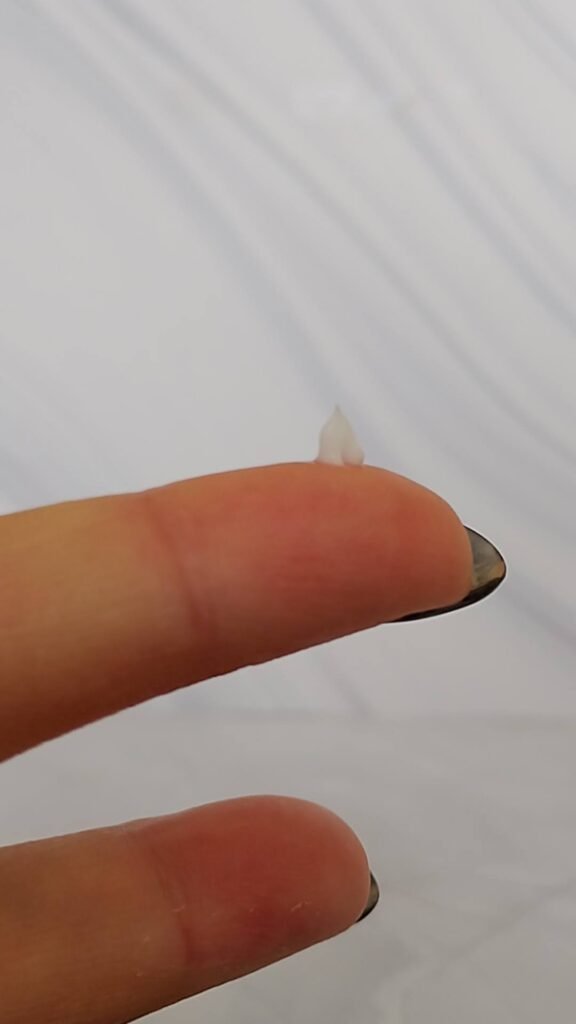
Ziaja recommends gently patting a small amount around the eyes in the morning and evening. For me, the practical questions are whether it feels comfortable, whether it stays away from my eyes and whether concealer sits well over it.
I’ve been using this eye cream for a couple of months now, and I really like it. The texture is just right for me, and it absorbs quickly without feeling greasy. There’s no noticeable smell either, which is always a plus.
It doesn’t sting my eyes or move around after applying it, and what I like most is how well it works under concealer. My concealer stays in place, and my under-eye area looks lovely and dewy. It’s an essential product in my skincare routine.
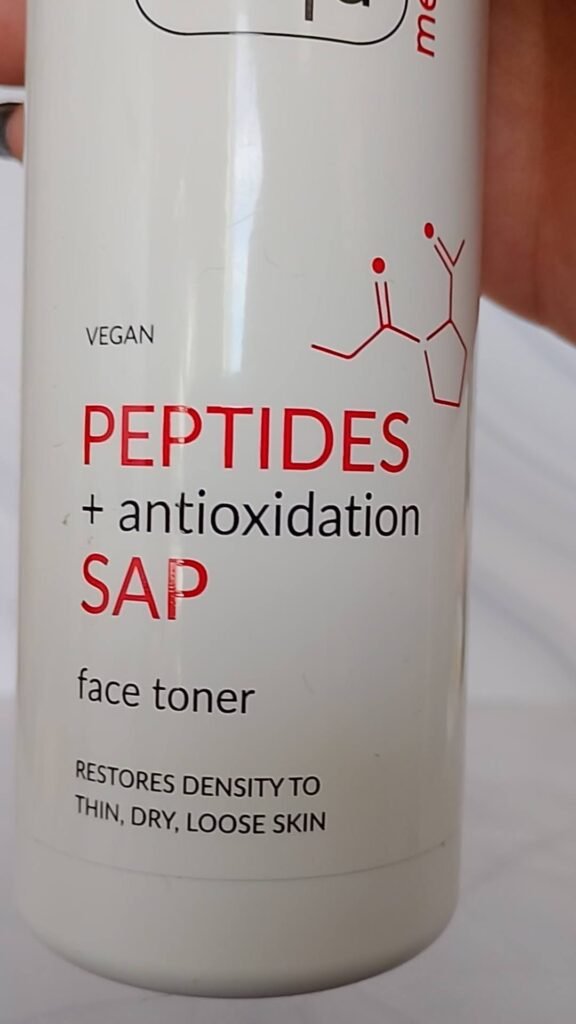
2. Ziaja Med Peptides Face Toner/Spray — 200 ml
I have mixed feelings about toners as a skincare category. A good one can feel lovely and add a little extra hydration, but it is not an essential step for everyone. If your cleanser and moisturiser already do the job, you do not need to add a toner just because it exists.
What makes this one interesting is that the ingredient list includes the same three peptides found in the eye cream: Palmitoyl Tripeptide-1, Palmitoyl Tetrapeptide-7 and Hexapeptide-9. It also contains glycerin, beta-glucan, niacinamide, hydrolysed rice protein and a vitamin C derivative, alongside other moisturising ingredients and fragrance.
That gives it more to talk about than a simple refreshing mist. Still, spraying peptides onto your face does not automatically mean they will reach deeper layers of skin or visibly reduce wrinkles. I would think of this primarily as an optional hydrating step.
Texture, smell and how it feels
With a face spray, the nozzle can make almost as much difference to the experience as the liquid itself. A fine mist feels very different from large droplets, and I always pay attention to whether the product leaves a sticky finish or layers nicely with serum.
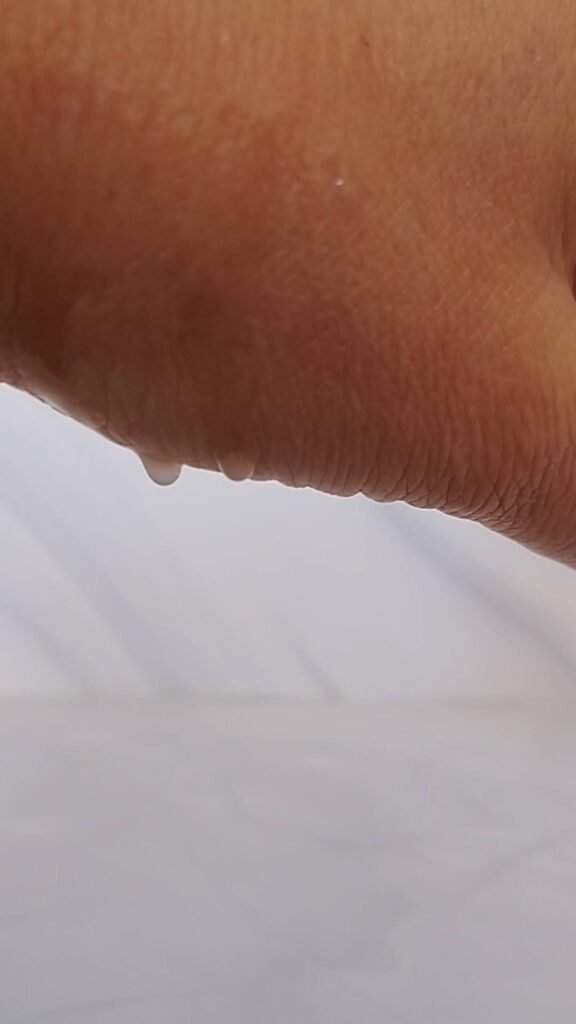
I really like how fine the mist is. It sprays evenly without leaving big droplets on my face, and there’s no noticeable fragrance. This toner feels lovely and refreshing, especially when my skin needs a little pick-me-up. It doesn’t leave any stickiness behind, and my moisturiser goes on nicely afterwards. It’s a simple, pleasant step to add to my skincare routine.
3. Ziaja Med Peptides Regenerating Serum — 50 ml
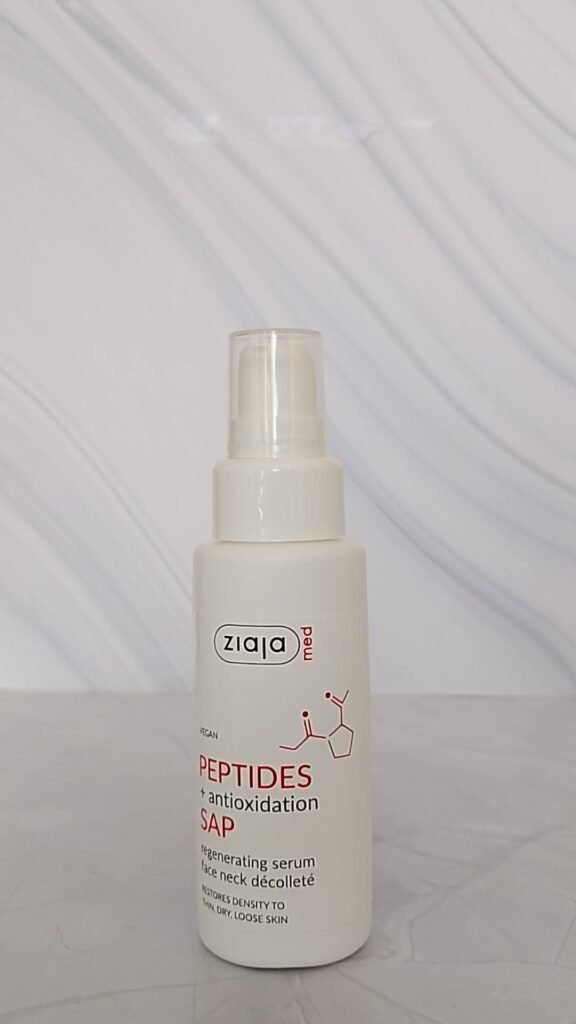
Of the peptide products, this is the one whose overall formula caught my attention most. Ziaja describes it as moisturising and revitalising, with claims around elasticity, the skin’s protective barrier and the appearance of wrinkles.
It contains the same three peptides as the eye cream and toner, but it also has a fairly rich supporting cast: glycerin, dimethicone, cocoa butter, shea-derived emollients, panthenol, niacinamide and vitamin derivatives. In other words, this is not necessarily the thin, watery serum you might imagine when you hear the word “serum”.
Those moisturising and skin-softening ingredients give me a good reason to expect a comfortable finish, although the exact texture has to be judged by using it. If skin looks plumper or feels smoother after application, moisture may explain part of that effect. We cannot tell from the ingredient list how much the peptides contribute.
Texture, smell and how it feels
Ziaja recommends using it on cleansed face, neck and décolleté, morning and evening, while avoiding the eye area. I would pay particular attention to whether it feels like a light serum or more like a moisturising lotion and whether it works underneath SPF.
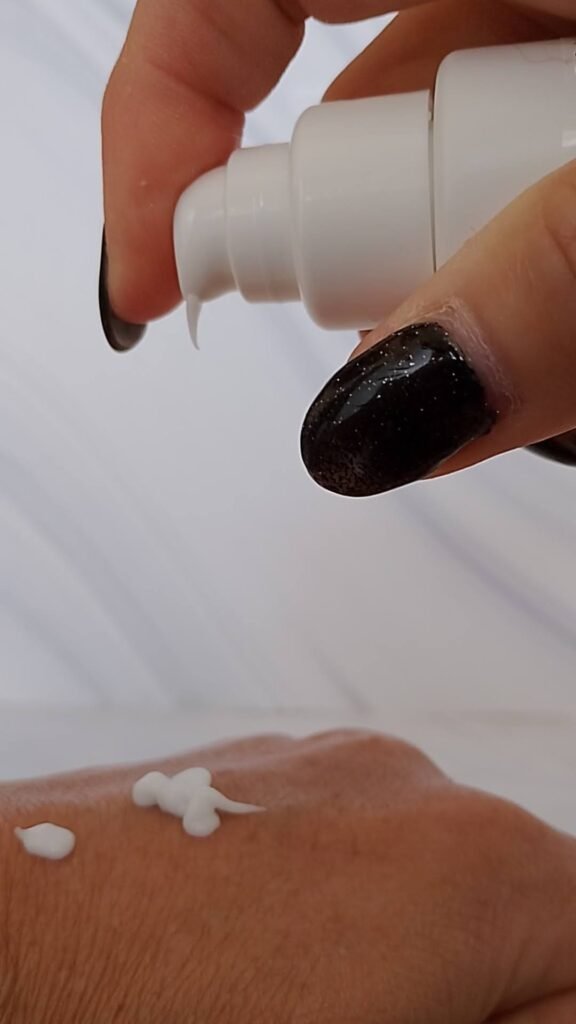
This serum has a richer texture than I was expecting. It’s not your typical lightweight serum, but I actually quite like that, especially with my dry skin. Despite the richer consistency, it absorbs well and layers nicely with the rest of my skincare without any pilling. What I like most is that my skin still feels comfortable a few hours after applying it, rather than feeling like it needs another layer of moisturiser.
Now for urea: an ingredient I wish received more attention.
Peptides get the glamorous marketing, but urea is one of those practical ingredients I really appreciate. It is naturally found in our skin as part of its natural moisturising factor, a collection of substances that help the outer layer of skin hold on to water.
In skincare, urea is commonly used to help attract and retain moisture and soften rough skin. At higher concentrations, it can also help loosen built-up dead skin. But its effect depends on how much is used, what else is in the formula and whether the product is washed off or left on.
This is why the two Ziaja Med urea products make such a good comparison.
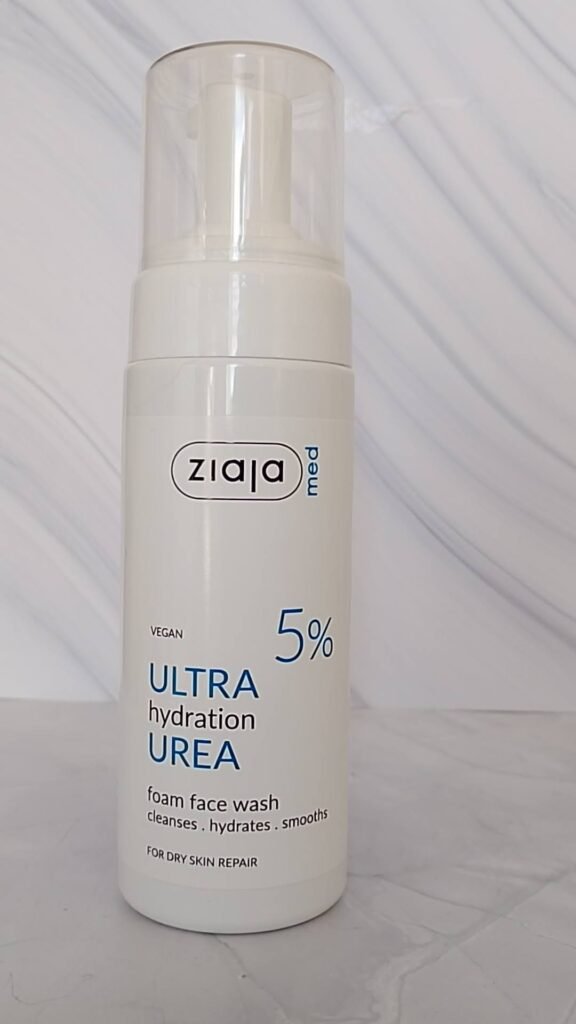
4. Ziaja Med Urea Ultra Hydration Foam Face Wash 5% — 150 ml
Cleansing is one of those steps that can make or break a routine for dry skin. A cleanser needs to remove dirt and everyday residue, but I do not want my face to feel tight afterwards.
Ziaja markets this foaming wash for dry, dehydrated and sensitive skin. The formula includes 5% urea, plus glycerin, sodium lactate and panthenol. These are ingredients associated with moisture and skin conditioning. It also contains several cleansing agents — called surfactants — which do the actual work of washing away residue.
The balance matters. A cleanser is not automatically gentle just because it contains a moisturising ingredient, and even a cleansing agent described as mild may feel different depending on the whole formula. This wash also contains fragrance, which is worth knowing if your skin reacts to scented products.
Texture, smell and how it feels
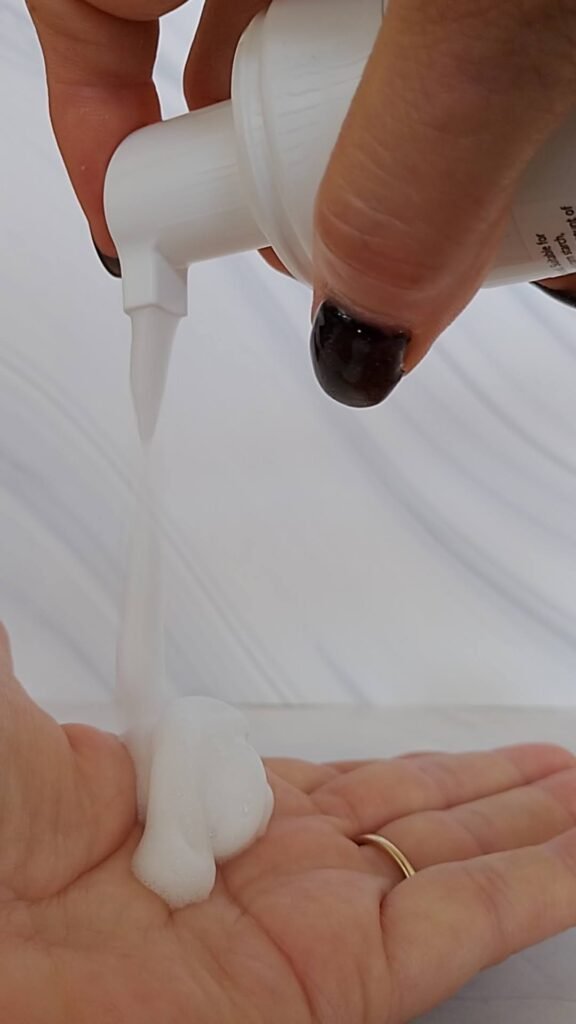
The product is described as a creamy foam. The listed directions are to use a small amount, cleanse and rinse thoroughly with lukewarm water, avoiding the eyes. I would judge it by how well it cleans and, above all, how my skin feels after rinsing.
I really like the texture of this cleanser. The foam is light and airy, but it lathers well and feels lovely on my skin. What I appreciate most is that my skin doesn’t feel tight after washing, which is always something I look for in a cleanser, especially with my dry skin.
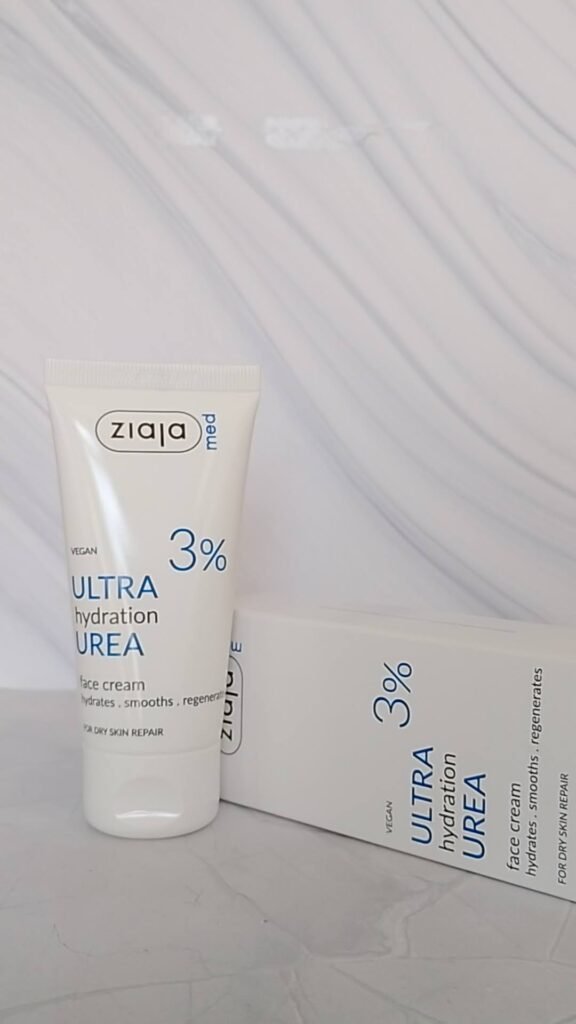
5. Ziaja Med Urea Ultra Hydration Face Cream 3% — 50 ml
This is the formula I was most curious about for my own dry and dehydrated skin. The cream is marketed as a light moisturising emulsion for daily use, including under make-up.
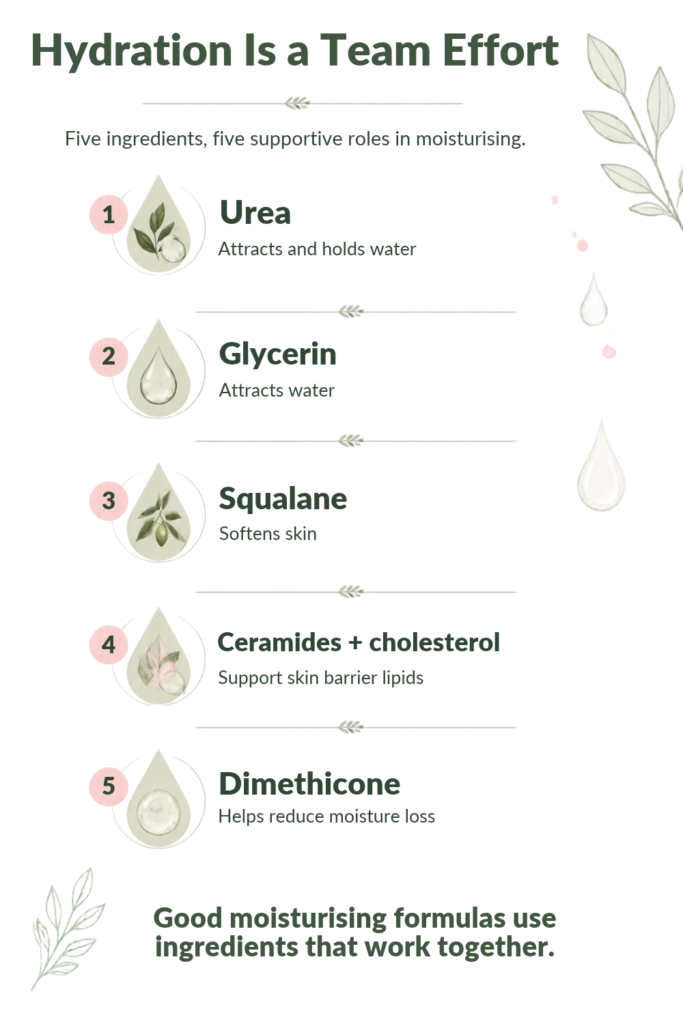
The 3% urea is only one part of the story. There is also glycerin and sodium lactate to help attract water, plus squalane, oils, dimethicone and panthenol to soften and condition the skin. I was particularly interested to see ceramides, cholesterol and phytosphingosine — ingredients associated with the skin’s protective barrier.
Think of your skin barrier as a protective wall. The skin cells are like bricks, while the lipids between them help keep the structure together and reduce water loss. Ceramides and cholesterol are among those important lipids. Including them in a cream makes sense, although their presence alone does not prove that the product repairs a damaged barrier.
What I like about this approach is that the cream does not rely on one ingredient to do everything. It brings together ingredients that attract water and ingredients that help skin feel softer and more comfortable.
Texture, smell and how it feels
Ziaja recommends applying it to clean skin on the face, neck and décolleté, avoiding the eye area. Since it is promoted for use under make-up, I would want to know whether it absorbs comfortably and sits well beneath SPF and foundation.
I really like how lightweight this cream feels, especially as it’s designed for dry skin. It absorbs quickly without feeling heavy, and there’s no noticeable fragrance. My skin feels comfortable even a few hours after applying it, which is always a good sign for me. It also works well under my SPF, so it’s easy to include in my morning routine.
The big question: why 5% urea in the cleanser but only 3% in the cream?
This is my favourite part of the comparison because it shows why percentages can be misleading.
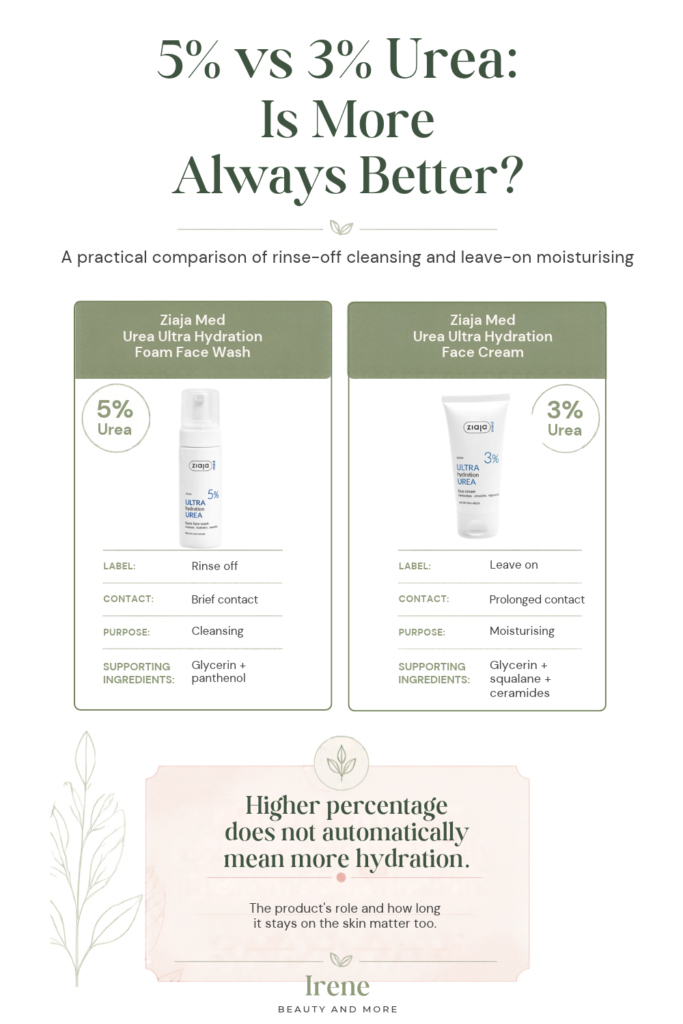
At first glance, 5% sounds better than 3%. But think about how you use the products. The cleanser stays on your face for a short time before you rinse it away. The cream stays on your skin for hours.
So even though the cleanser contains a higher percentage of urea, that does not mean it provides more lasting hydration. We do not know how much urea remains on the skin after washing, or how the finished products compare in a controlled hydration test.
They also have different jobs. The foam contains cleansing agents and is designed to wash skin without leaving it uncomfortable. The cream contains moisturising and skin-softening ingredients designed to remain on the surface.
It is a bit like comparing a shampoo with a leave-in conditioner because both contain the same ingredient. The percentage matters, but so does what the product is meant to do and how long you leave it on.
My takeaway? Do not choose skincare based on the biggest number on the label. Look at the full formula and what you actually need from it.
Peptides or urea: which would I choose?
I would not treat this as a competition. Peptides are included in some skincare because of their potential effects on visible signs of ageing. Urea has a more established role in helping moisturise dry skin. They are different tools, and they can happily sit in the same routine.
If dryness and discomfort are my main concerns, I would start with a good cleanser and moisturiser. If I also want to explore peptide skincare, I might add a serum or eye cream. But turning 35 does not suddenly mean you need peptides, and no routine needs every trending ingredient.
Do peptides really reduce wrinkles?
Some topical peptides have encouraging research behind them, but the evidence varies. I would not expect dramatic wrinkle reduction simply because a product contains peptides.
Can I use peptides and urea together?
Yes. They are not inherently incompatible. Whether a particular combination suits you depends on the complete products and your skin’s tolerance.
Is 5% urea better than 3%?
Not necessarily. The product type, supporting ingredients and time spent on the skin all matter. A 5% cleanser cannot be ranked against a 3% leave-on cream by percentage alone.
Is urea suitable for dry skin?
Urea is a well-established moisturising ingredient. In a suitable formula, it can help skin hold on to moisture and feel softer.
Does urea exfoliate?
At higher concentrations, urea can help loosen dead skin. Lower-concentration face creams are generally used mainly for moisturising.
My Final Thoughts: Are Ziaja Med Peptides and Urea Products Worth Trying?
After looking at these five Ziaja Med products, one thing stands out to me: good skincare is about much more than one star ingredient.
I particularly like that the peptide range doesn’t rely on peptides alone. The formulas also contain moisturising and skin-conditioning ingredients, which are just as important when caring for dry or mature skin.
The urea range is interesting for a different reason. It reminds us that the highest ingredient percentage doesn’t necessarily mean the best product. A cleanser containing 5% urea and a moisturiser containing 3% have completely different jobs, and it’s the whole formulation that matters.
As someone with dry and dehydrated skin, I’m always more interested in how comfortable my skin feels than in promises of dramatic results. Hydration, softness and a healthy-looking skin barrier are priorities for me, especially as my skin gets older.
Would I recommend exploring Ziaja Med? Yes, particularly if you’re interested in moisturising skincare and want to understand what different ingredients can offer. The 3% Urea Face Cream and Peptides Regenerating Serum are the two formulations that caught my attention most.
Of course, no product works the same way for everyone, and an interesting ingredient list doesn’t guarantee amazing results.
My biggest takeaway? Don’t buy skincare just because it contains a trending ingredient or an impressive percentage. Choose products that suit your skin, feel comfortable and fit into a routine you’ll actually enjoy using.
Because sometimes, the best skincare isn’t the most complicated. It’s the skincare that works for you.
Bear in mind that some of the links in this post are affiliate links and if you go through them to make a purchase I will earn a commission. Keep in mind that I link these companies and their products because of their quality and not because of the commission I receive from your purchases. The decision is yours, and whether or not you decide to buy something is completely up to you.