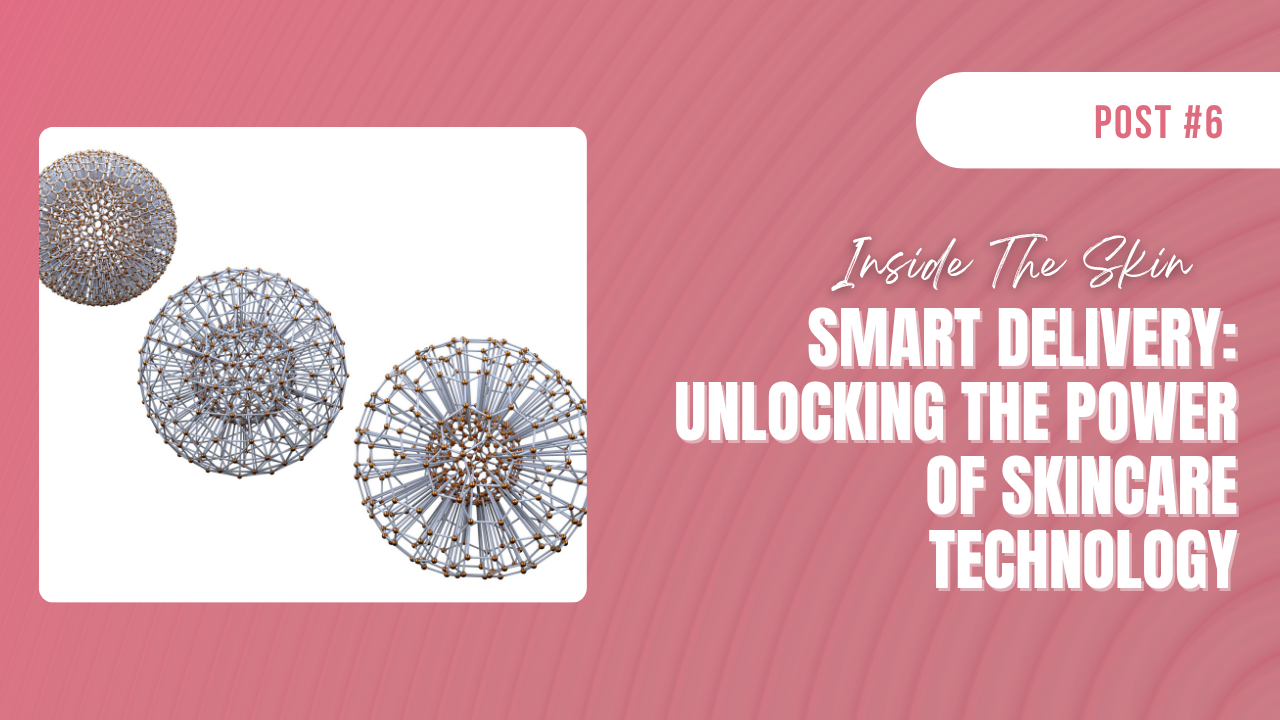
Smart Delivery Systems: Unlocking the Power of Skincare Technology
If you’ve ever wondered how your skincare products actually work, you’re not alone. Applying a serum or moisturiser is easy—but what happens between the moment it hits your skin and when it starts to deliver results? The answer lies in the science of delivery systems: the hidden mechanisms that transport active ingredients to where the skin needs most.
In this post, we dive into the fascinating world of delivery technologies—from traditional emulsions to modern smart carriers like liposomes, micelles, and nanoemulsions. You’ll learn why getting actives into the skin (and to the right depth) is just as important as what those actives are.
Why Delivery Systems Matter in Skincare
Skin is not just a passive canvas—it’s a complex, protective barrier designed to keep things out. While this is excellent news for your immune system, it’s a challenge for cosmetic chemists trying to deliver active ingredients like retinoids, peptides, and vitamin C deep enough to have a real effect.
The outermost layer, the stratum corneum, consists of tightly packed dead skin cells and lipids. Most ingredients struggle to pass through unless they are extremely small, lipophilic, and stable. That’s where delivery systems come in. These carriers help stabilise ingredients, shield them from oxidation, and enhance their ability to reach the targeted layer—whether it’s the epidermis or the deeper dermis.
Classic Delivery Systems: Emulsions and Occlusives
Before high-tech delivery methods took over, skincare relied on basic formulations like emulsions—a blend of oil and water. These help deliver both water-soluble and oil-soluble ingredients by suspending them in a creamy or gel-like base.
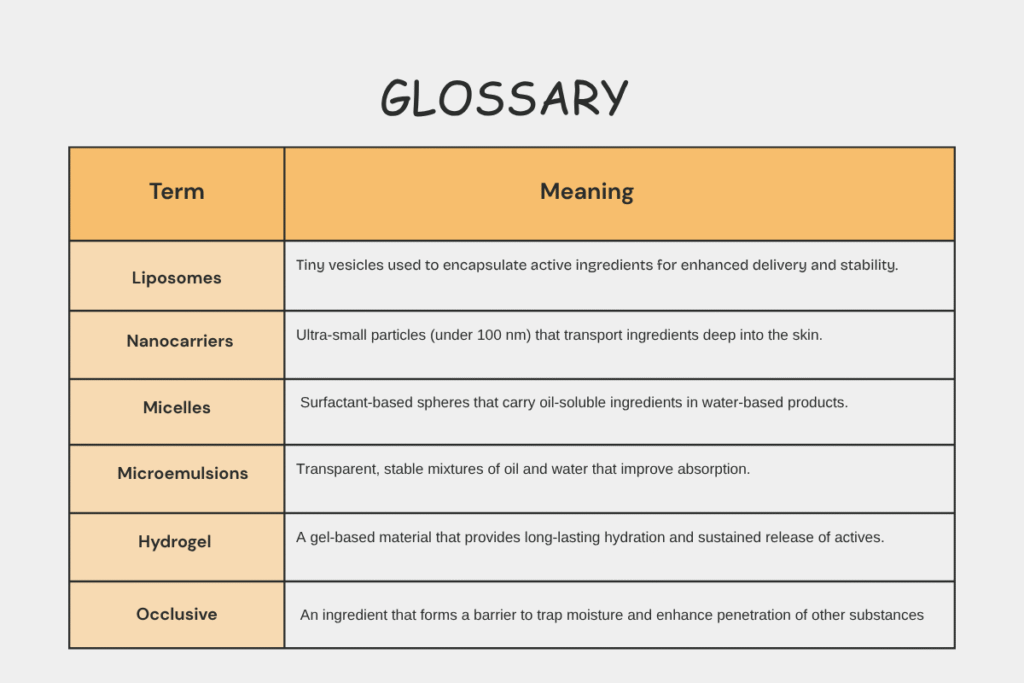
Occlusive agents (like petrolatum or lanolin) form a barrier on the skin to trap moisture and slow down water loss, allowing other ingredients more time to penetrate. While effective for hydration, these older methods are less precise and don’t always allow actives to reach deep layers.
Modern Delivery Systems in Skincare
1. Liposomes: Tiny Spheres with Big Impact
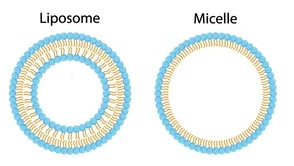
Liposomes are microscopic vesicles made from phospholipids (similar to those in your skin barrier). They can encapsulate active ingredients and release them slowly over time. Because their structure mimics cell membranes, liposomes are able to merge with skin cells and deliver ingredients directly inside.
They are especially useful for unstable or irritating ingredients, such as retinol or certain acids, allowing for more tolerable and targeted action.
2. Nanocarriers: Small but Mighty
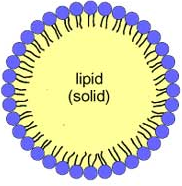
Nanotechnology has made it possible to create nanoemulsions, nanospheres, and solid lipid nanoparticles—each designed to deliver ingredients efficiently and deeply. These particles are typically smaller than 100 nanometers, allowing them to penetrate the skin more easily.
One advantage is their ability to protect sensitive ingredients (like antioxidants or peptides) from degradation due to light or oxygen, enhancing both shelf life and effectiveness.
However, there’s ongoing debate and research about how deep these nano-sized particles can safely go, and whether they might cause issues like inflammation or unintended absorption into the bloodstream.
3. Micelles and Microemulsions
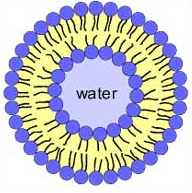
Micelles are spherical structures formed from surfactants. They’re often found in micellar water, but also function as delivery systems in skincare. Their hydrophilic exterior and hydrophobic core allow them to carry oil-soluble ingredients through water-based formulas.
Microemulsions, which are transparent and thermodynamically stable, allow ingredients to stay solubilised and improve absorption thanks to their fine droplet size.
4. Hydrogels and Film-Forming Polymers
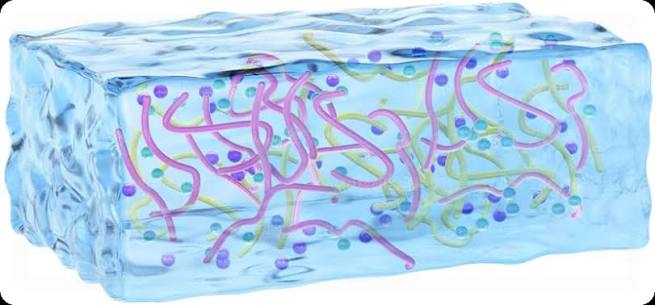
Hydrogels and films are used in masks, patches, and spot treatments to ensure prolonged contact with the skin. These systems create a semi-occlusive layer that improves penetration by preventing water loss and maintaining ingredient potency over time.
Some also feature “triggered release” technology—releasing actives only when exposed to pH changes, body heat, or specific enzymes.
How Formulators Choose Delivery Systems
Several factors influence a chemist’s choice of delivery method:
- The nature of the ingredient: Is it water or oil-soluble? Stable or sensitive?
- The target layer: Epidermis vs. dermis vs. surface-level effects
- Desired release profile: Immediate, sustained, or delayed
- Irritation potential: Some ingredients need buffering or encapsulation to be tolerable
- Cost & texture preferences: Not all delivery systems are budget- or texture-friendly
💡 Some delivery systems are “smart”—they respond to your skin’s conditions
For example, certain polymers only release active ingredients at a specific pH, ensuring that ingredients like niacinamide or ascorbic acid work exactly where they’re meant to.
What It Means for You: Reading Your Labels
Most products don’t advertise their delivery systems—but clues can help:
- “Encapsulated” or “microencapsulated” on the label
- “Liposomal delivery” or “nano-” prefix
- A mention of “slow-release”, “enhanced absorption”, or “time-release”
Conclusion: Vehicles Matter Just as Much as the Ingredients
The future of skincare is not just about what ingredients are used—it’s about how they are delivered. Advanced systems like liposomes, nanocarriers, and smart polymers ensure that your products are working harder and smarter for your skin.
Next time you scan an ingredient label or evaluate a serum’s claims, don’t just look at the actives. Look at the formulation technology behind it—because the path those ingredients take matters just as much as the destination.
Bear in mind that some of the links in this post are affiliate links and if you go through them to make a purchase I will earn a commission. Keep in mind that I link these companies and their products because of their quality and not because of the commission I receive from your purchases. The decision is yours, and whether or not you decide to buy something is completely up to you.