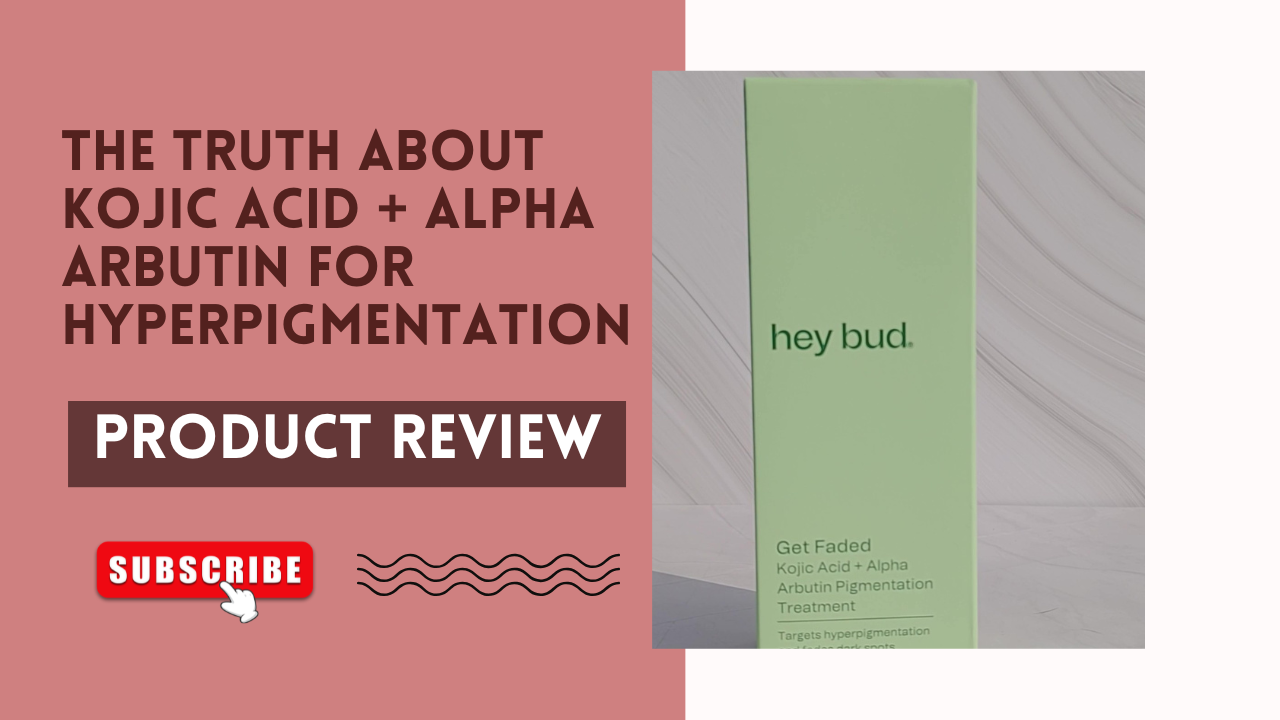
Hyperpigmentation is one of the most stubborn skin concerns. Whether it appears as post-acne marks, sun spots, or uneven tone, dark patches can linger long after the original cause has disappeared. Because of this, brightening serums have become one of the most popular categories in skincare. One product that has recently gained attention for targeting pigmentation is the Hey Bud Kojic Acid + Alpha Arbutin Pigmentation Treatment Serum.
This serum combines two well-known brightening ingredients—kojic acid and alpha arbutin—along with niacinamide and gentle exfoliating acids. Together, these ingredients aim to reduce dark spots, smooth skin texture, and promote a more even complexion.
In this detailed review, we will look at the formulation, how it works, who it is best suited for, and whether it deserves a place in your skincare routine.
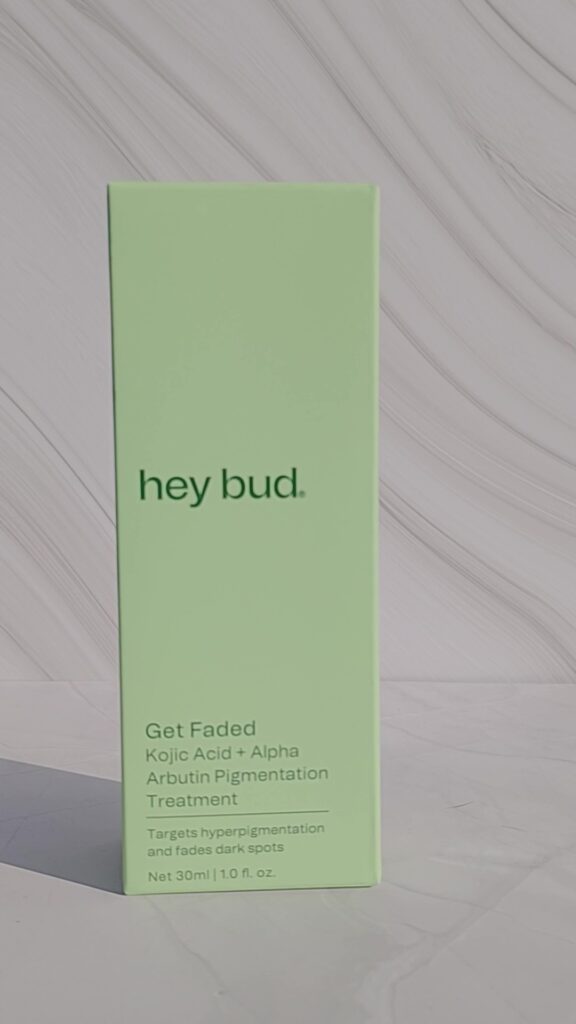
About the Brand: Hey Bud
Hey Bud is an Australian skincare brand known for incorporating hemp seed oil and plant-derived ingredients into many of its formulas. The brand focuses on accessible, results-driven skincare that addresses common concerns such as acne, dullness, and pigmentation.
Many of their products combine botanical extracts with clinically recognised actives, making them appealing to consumers who want ingredient-focused skincare without extremely high prices.
The Kojic Acid + Alpha Arbutin Pigmentation Treatment Serum fits well within this philosophy. It combines plant extracts with targeted brightening ingredients designed to improve uneven skin tone.

What This Serum Claims to Do
According to the brand, the serum is formulated to help:
- Reduce dark spots and hyperpigmentation
- Brighten dull skin
- Even out skin tone
- Improve the appearance of acne scars
- Support overall skin clarity
The formula is intended to work gradually over several weeks by reducing excess melanin production and promoting gentle skin renewal.
Packaging, Texture & First Impressions
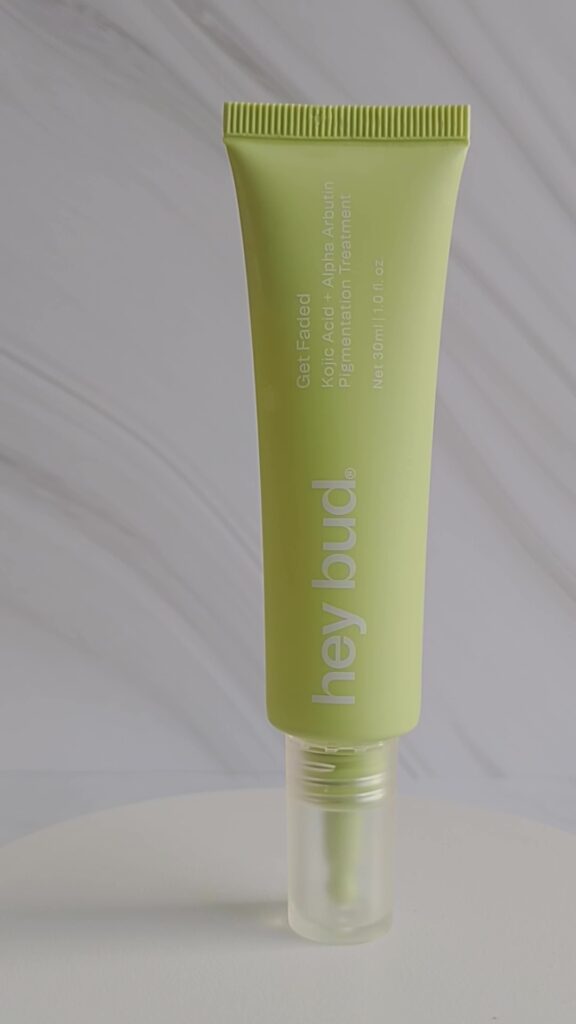
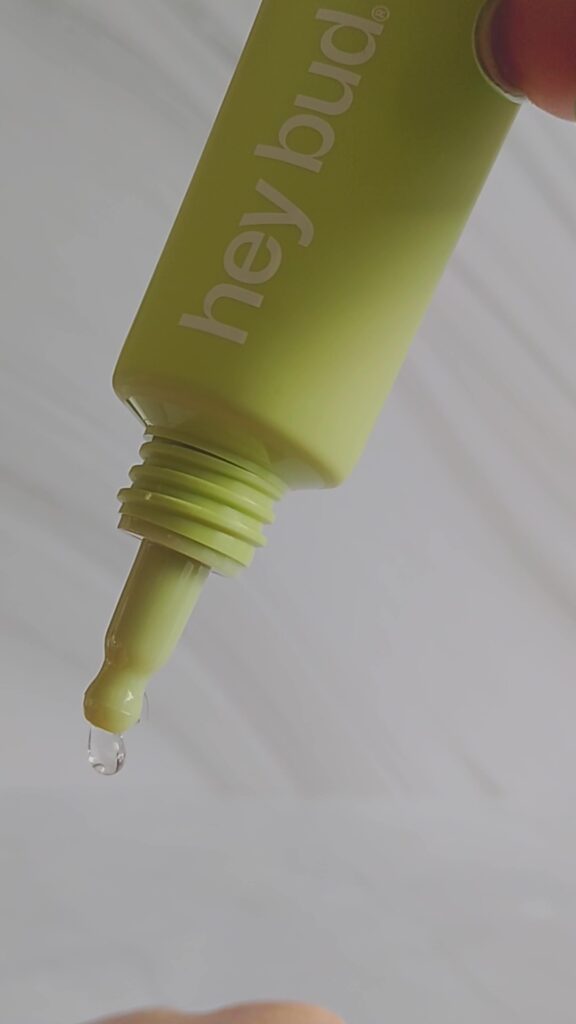
The Hey Bud Kojic Acid + Alpha Arbutin Pigmentation Treatment Serum comes in a compact, minimalistic bottle that reflects the brand’s clean aesthetic. The dropper applicator makes it easy to control how much product you use, which is especially important for targeted treatments like this. It feels practical and user-friendly rather than overly luxurious, but still aesthetically pleasing enough for a skincare shelf.
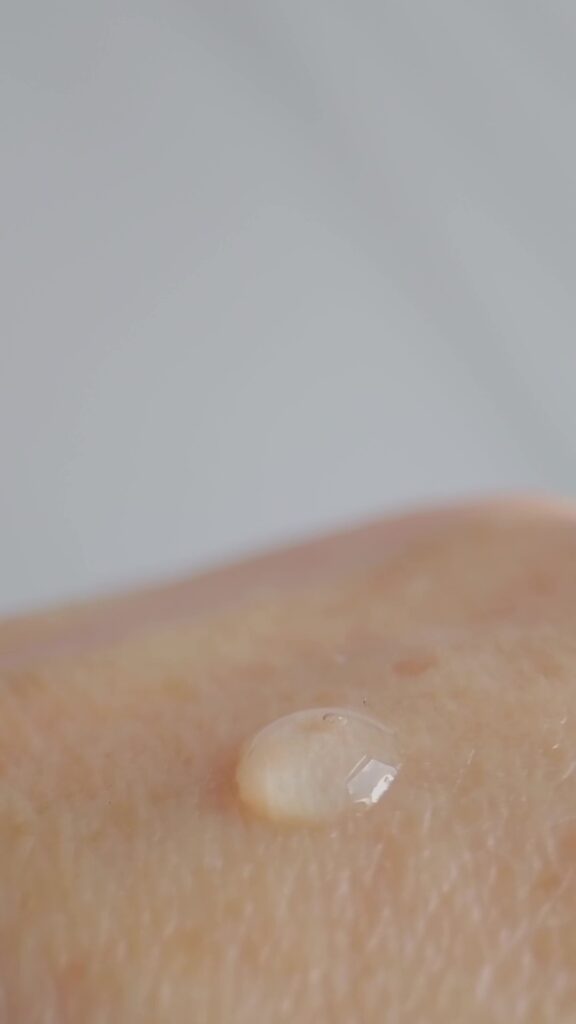
In terms of formulation, the serum has a lightweight, slightly viscous texture that spreads easily across the skin. It sits somewhere between a watery essence and a traditional serum, making it very easy to layer within a routine. The colour is clear to slightly translucent, and the scent is subtle and fades quickly, which is ideal if you prefer low-fragrance skincare.
How It Feels on the Skin
Once applied, the serum absorbs quickly and leaves the skin feeling soft and lightly hydrated without any greasy residue. It layers well under moisturiser and SPF, and does not pill when combined with other products, which is essential for a smooth routine.
On dry or mature skin, it feels comfortable but not पर्याप्तly moisturising on its own, so following with a nourishing cream is important. Because of the active ingredients, some users may experience a slight tingling sensation at first, especially if their skin barrier is compromised. However, when introduced gradually, it generally feels gentle and manageable.
Key Ingredients Breakdown
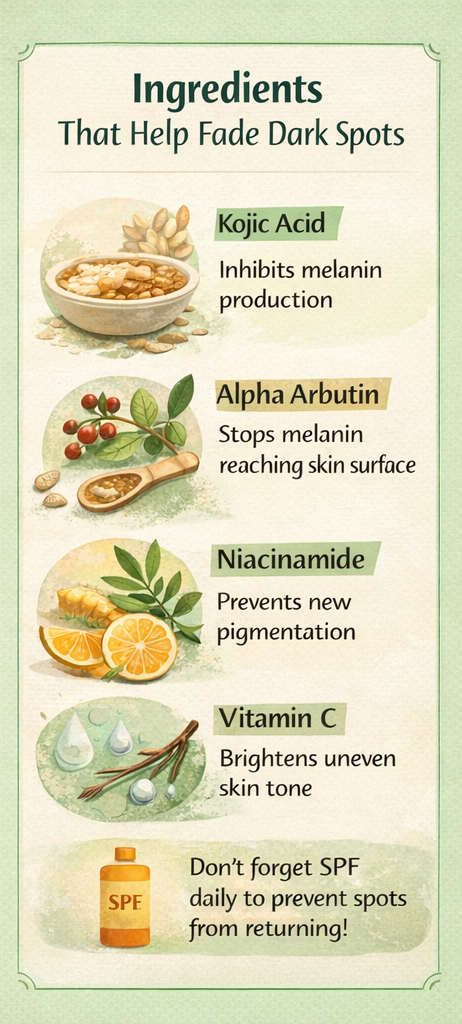
The effectiveness of a pigmentation serum depends heavily on its ingredient profile. This formula contains several ingredients that target different stages of the pigmentation process.
Kojic Acid
Kojic acid is one of the best-known skin-brightening ingredients in cosmetic formulations. It is produced through the fermentation of certain fungi and has long been used in Asian skincare.
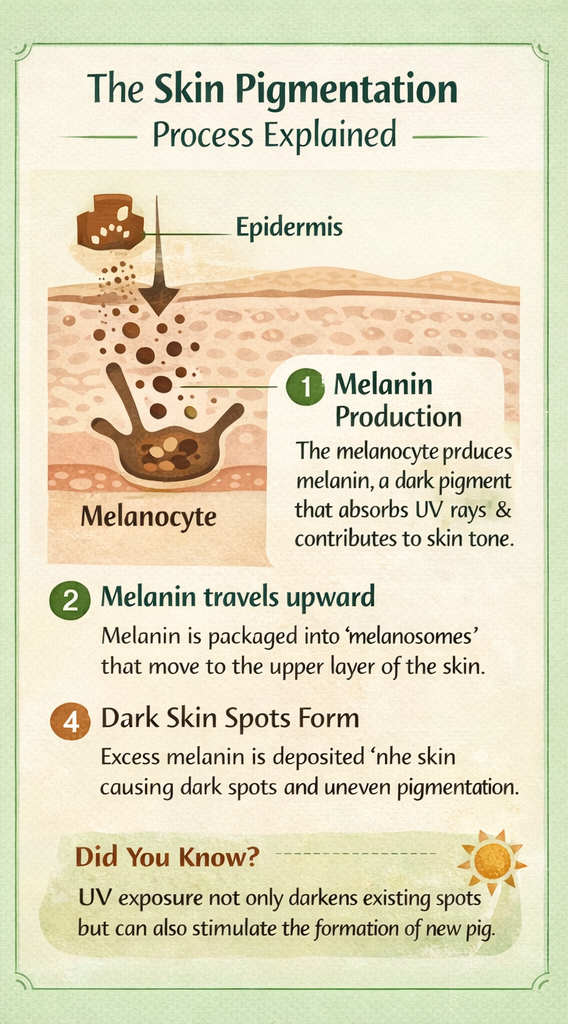
Its main mechanism involves inhibiting tyrosinase, the enzyme responsible for melanin production. By slowing down melanin synthesis, kojic acid helps gradually fade existing dark spots and prevents new ones from forming.
Kojic acid can also contribute to overall skin radiance by reducing uneven pigmentation.
However, this ingredient can sometimes be irritating for sensitive skin, especially at higher concentrations. This is why it is often combined with soothing ingredients or used in lower amounts within multi-ingredient formulations.
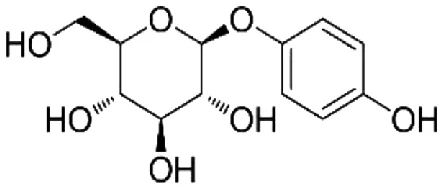
Alpha Arbutin
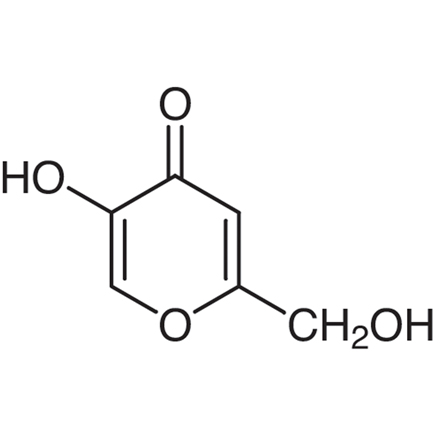
Alpha arbutin is another powerful brightening ingredient and a gentler alternative to hydroquinone.
It works by reducing melanin formation in the skin, which helps lighten dark patches over time. Unlike harsher pigment-correcting ingredients, alpha arbutin tends to be well tolerated by most skin types.
When combined with kojic acid, it forms a synergistic brightening system. Both ingredients target melanin production but through slightly different mechanisms.
This dual approach can make pigmentation treatments more effective without significantly increasing irritation risk.
Niacinamide
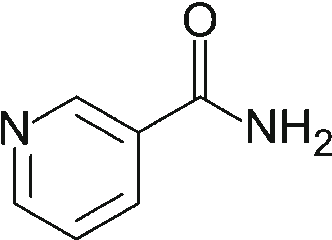
Niacinamide, also known as vitamin B3, is a versatile skincare ingredient that offers several benefits.
One of its most interesting properties is its ability to inhibit the transfer of melanin from pigment cells to skin cells. This means that even if melanin is produced, niacinamide helps reduce how much of it becomes visible on the skin’s surface.
In addition to its brightening benefits, niacinamide helps strengthen the skin barrier, reduce redness, and improve overall skin texture.
For individuals with acne marks or inflammatory pigmentation, this ingredient can be particularly helpful.
Salicylic Acid
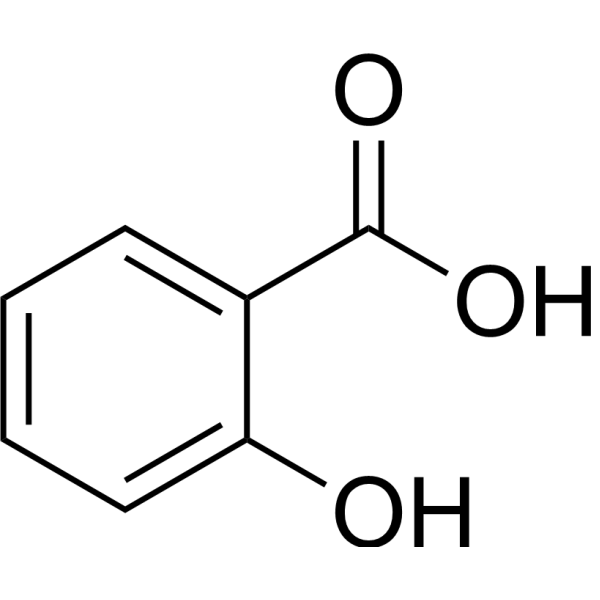
Salicylic acid is a beta-hydroxy acid that provides gentle exfoliation. It helps remove dead skin cells that can make pigmentation appear more prominent.
By encouraging cell turnover, salicylic acid can gradually help fade discolouration and improve overall skin clarity.
Because it is oil-soluble, it also penetrates pores effectively, making it useful for individuals dealing with acne alongside hyperpigmentation.
Lactic Acid
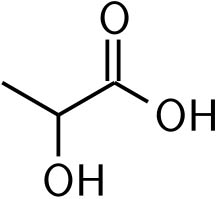
Lactic acid is a mild alpha hydroxy acid known for both exfoliating and hydrating properties.
It helps dissolve the bonds between dead skin cells, allowing them to shed more easily. This reveals fresher, brighter skin underneath and can make pigmentation treatments more effective.
Compared with stronger acids like glycolic acid, lactic acid is generally gentler and more suitable for sensitive or dry skin.
Hemp Seed Extract
A signature ingredient in many Hey Bud products, hemp seed extract is rich in omega fatty acids and antioxidants.
It helps maintain skin hydration, supports the barrier, and reduces inflammation. Including a soothing ingredient like this helps balance the potentially irritating effects of active brightening ingredients.
Who Is This Serum Best For?
The formulation makes this serum suitable for individuals dealing with:
- Post-inflammatory hyperpigmentation
- Acne marks
- Sun spots
- Uneven skin tone
- Dull or tired-looking skin
It may work particularly well for people who want a multi-ingredient pigmentation treatment that combines brightening, exfoliation, and barrier support.
However, individuals with extremely sensitive skin may need to introduce it slowly into their routine.
- Multi-targeted approach to pigmentation
- Effective combination of kojic acid, alpha arbutin, and niacinamide
- Lightweight, easy-to-layer texture
- Includes gentle exfoliation to enhance results
- Suitable for acne-prone and uneven skin
- May cause mild irritation for sensitive skin
- Not hydrating enough alone for dry or mature skin
- Requires consistent use for visible results
Comparison With Similar Products
Pigmentation serums have become extremely common, and several alternatives exist on the market.
For example, The Ordinary Alpha Arbutin 2% + HA focuses primarily on alpha arbutin and hydration. It is a simpler formula that may suit individuals looking for a minimal ingredient approach.
Another option is Paula’s Choice Clinical Discoloration Repair Serum, which combines niacinamide with tranexamic acid for a more advanced pigmentation treatment.
Compared with these options, the Hey Bud serum sits somewhere in the middle. It offers multiple brightening ingredients without reaching the price level of premium clinical formulas.
How Long Does It Take to See Results?
Pigmentation treatments rarely produce overnight results. Most dermatologists recommend evaluating brightening products after four to eight weeks of consistent use.
During this time, the combination of melanin inhibition and gentle exfoliation gradually reduces the appearance of dark spots.
Sun protection is crucial during this process, as UV exposure can quickly reverse progress.
Conclusion
The Hey Bud Kojic Acid + Alpha Arbutin Pigmentation Treatment Serum offers a well-rounded formulation aimed at tackling hyperpigmentation from several angles. By combining kojic acid, alpha arbutin, niacinamide, and mild exfoliating acids, the serum targets melanin production while also encouraging skin renewal.
This multi-ingredient approach makes it a promising option for individuals dealing with dark spots, post-acne marks, or uneven skin tone. The lightweight texture and inclusion of barrier-supporting ingredients also help make the formula relatively user-friendly.
That said, as with most pigmentation treatments, results require consistency and patience. Visible improvements typically appear after several weeks of regular use, especially when combined with daily sunscreen.
Overall, the serum stands out as an accessible brightening treatment that blends proven pigmentation-fighting ingredients with gentle exfoliation. For those looking to gradually fade discolouration and achieve a more even complexion, it may be a worthwhile addition to a targeted skincare routine.
Bear in mind that some of the links in this post are affiliate links and if you go through them to make a purchase I will earn a commission. Keep in mind that I link these companies and their products because of their quality and not because of the commission I receive from your purchases. The decision is yours, and whether or not you decide to buy something is completely up to you.