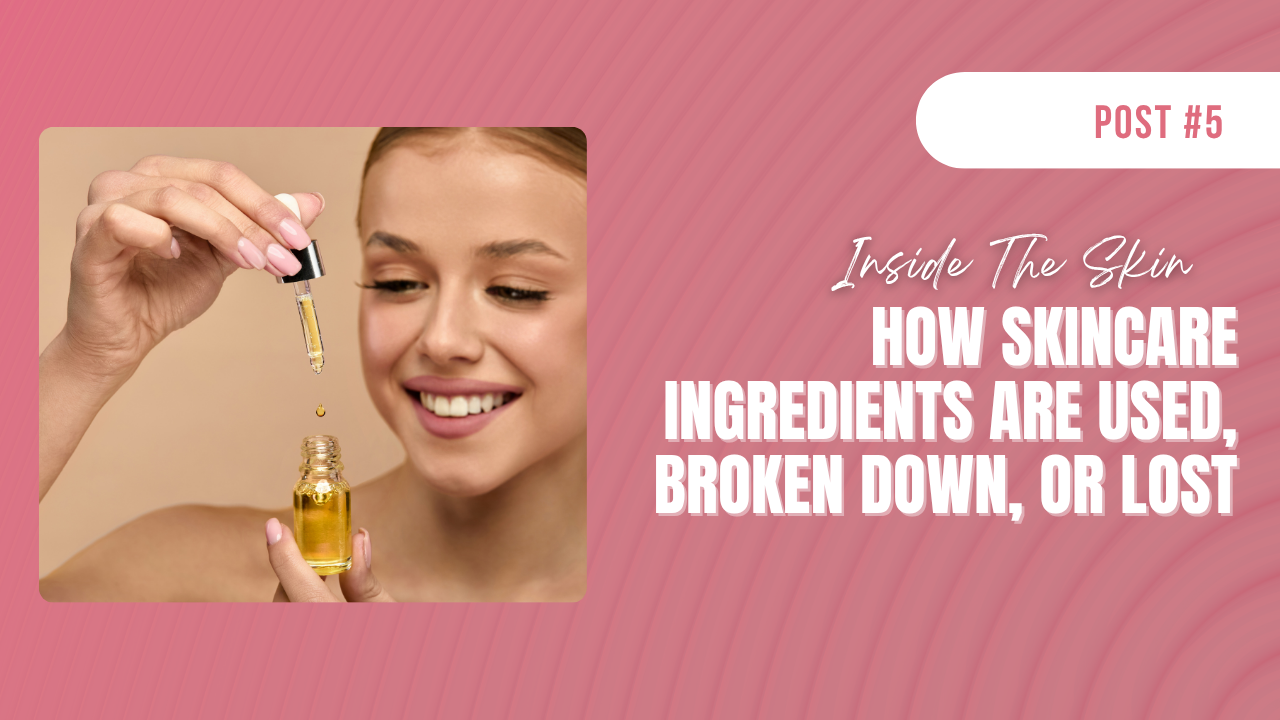
How Skincare Ingredients Are Used, Broken Down, or Lost
In skincare discussions, “penetration” is often treated as the end goal. If an ingredient can reach the skin, it is assumed to be effective. In reality, penetration is only the entry point into a far more complex biological system. Once a molecule crosses the stratum corneum, it enters a living environment filled with enzymes, structural proteins, lipid matrices, immune signalling systems, and metabolically active cells. At this stage, the skincare ingredients are no longer just cosmetic compounds; they become biologically active (or potentially inactive) participant in skin physiology.
What happens next determines everything: whether the ingredient will be activated, degraded, stored, transported, or eliminated. This post-penetration phase is where true skincare efficacy is decided, and it is significantly more complex than most formulations or marketing narratives suggest.
The Skin as a Biochemical Processing System
The skin is often described as a barrier, but this is an oversimplification. It really is a metabolically active interface organ with enzymatic and immunological functions similar in complexity to the liver, albeit at a smaller scale.
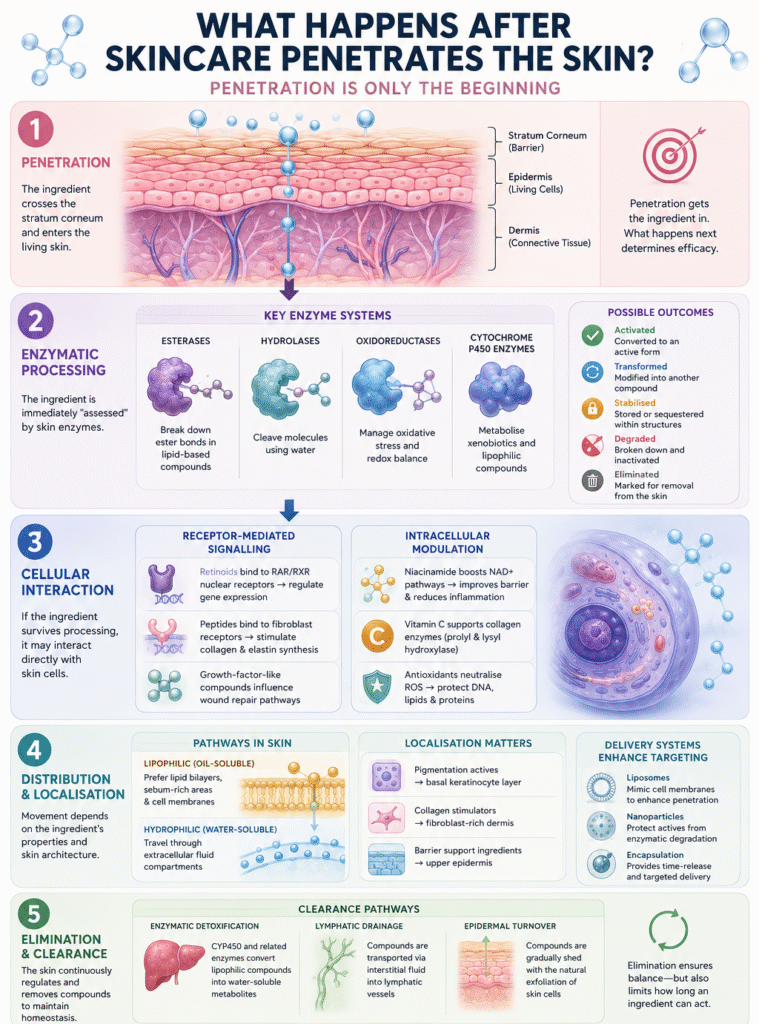
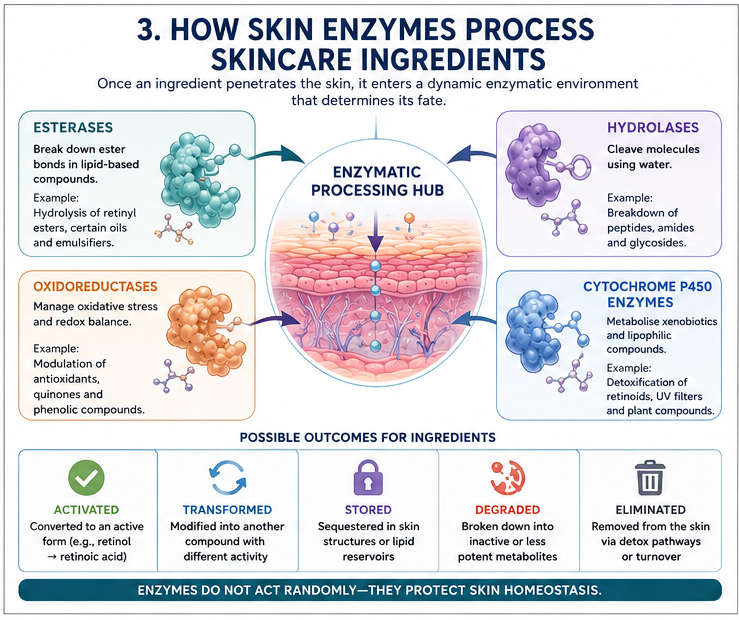
Within the viable epidermis and dermis, the skin expresses a wide range of enzymes, including:
- Esterases, which break down ester bonds in lipid-based compounds
- Hydrolases, which cleave molecules using water
- Oxidoreductases, which manage oxidative stress and redox balance
- Cytochrome P450 enzymes, which metabolise xenobiotics and lipophilic compounds
These enzymes do not act randomly. They regulate molecular behaviour based on the skin’s need to maintain homeostasis, barrier integrity, and immune stability.
As a result, any ingredient entering this environment is immediately subject to biochemical “assessment.” It may be preserved, transformed into an active metabolite, partially deactivated, or fully neutralised, depending on its structure and compatibility with skin biochemistry.
This enzymatic environment is one of the key reasons skincare performance varies so significantly between formulations, individuals, and conditions.
Enzymatic Activity and Bioconversion: Activation or Destruction
One of the most important post-penetration processes is bioconversion, where inactive or partially active molecules are transformed into their biologically active forms.
Pro-ingredients and Activation Cascades
Some ingredients are intentionally designed as precursors that require enzymatic conversion:
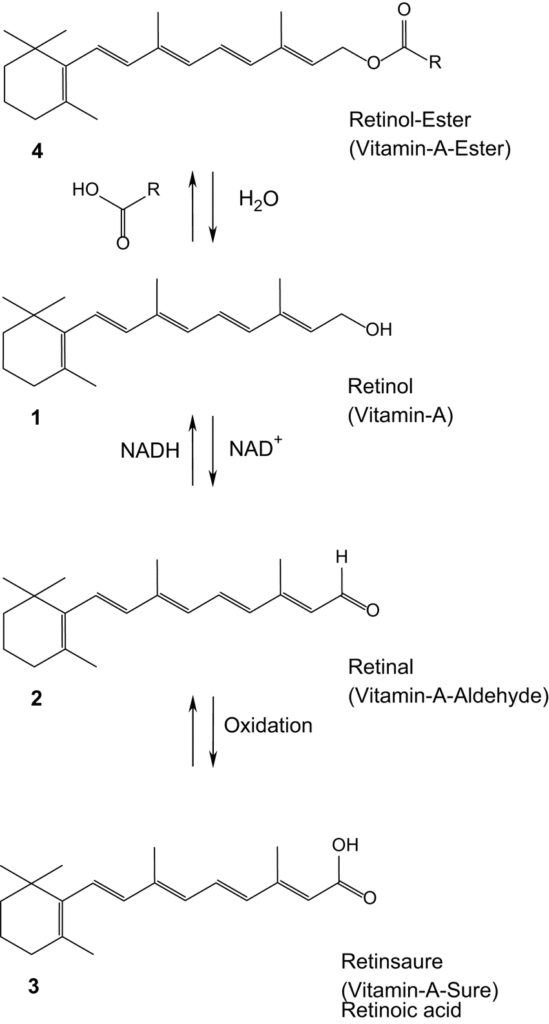
A classic example is vitamin A derivatives. Retinyl esters such as retinyl palmitate undergo a multi-step transformation:
retinyl palmitate → retinol → retinaldehyde → retinoic acid
Each step is catalysed by specific enzymes within the skin. Only retinoic acid can bind directly to nuclear receptors and modify gene expression related to collagen synthesis, keratinocyte differentiation, and epidermal turnover.
This multi-step process explains both the delayed onset of results and the irritation potential associated with retinoids. The skin is actively converting the molecule into a potent signalling compound.
When Bioconversion Becomes a Limitation
Not all enzymatic activity is beneficial. Some ingredients are unstable or overly reactive in the skin environment.
For example:
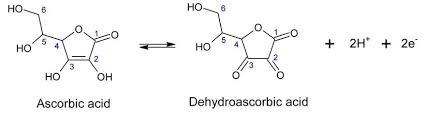
- Vitamin C (ascorbic acid) is highly sensitive to oxidation and can lose efficacy rapidly if not stabilised
- Certain polyphenols and botanical extracts degrade into inactive or less potent metabolites
- Some lipid-based actives may be hydrolysed before reaching their intended targets
This means that formulation stability is as important as skin penetration. An ingredient that degrades too quickly will never fully express its biological potential, regardless of concentration.
Cellular Interaction: How Ingredients Influence Skin Function
Once an ingredient survives enzymatic transformation, it may interact directly with skin cells. This interaction occurs through two primary mechanisms: receptor-mediated signalling and intracellular biochemical modulation.
Receptor-Mediated Signalling
Certain ingredients function like molecular “keys” that bind to specific cellular receptors, triggering downstream biological responses.
- Retinoids bind to RAR and RXR nuclear receptors
→ regulate gene expression controlling proliferation, differentiation, and extracellular matrix production - Peptides can mimic endogenous signalling molecules
→ bind to fibroblast receptors and stimulate collagen and elastin synthesis - Growth-factor-like compounds may influence wound repair signalling pathways
These interactions are highly specific and dose-dependent. Small structural differences in a molecule can significantly alter receptor affinity and biological outcome.
Intracellular Mechanisms (Non-Receptor Activity)
Other ingredients operate without direct receptor binding and instead influence cellular metabolism internally:
- Niacinamide enhances NAD+ dependent pathways, improving barrier lipid synthesis and reducing inflammation
- Vitamin C acts as a cofactor for prolyl and lysyl hydroxylase enzymes in collagen production
- Antioxidants neutralise reactive oxygen species before they damage DNA, lipids, or proteins
These mechanisms are often slower but contribute significantly to long-term skin resilience and structural integrity.
Diffusion, Storage, and Targeted Distribution
After entering the skin, ingredients do not spread evenly. Their movement is governed by physicochemical properties and skin microarchitecture.
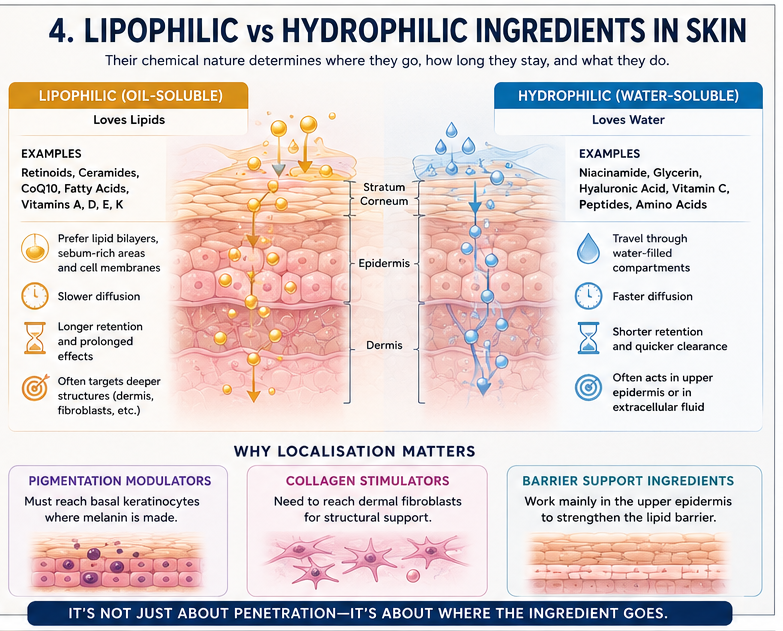
Lipid vs Water Distribution
- Lipophilic compounds preferentially integrate into lipid bilayers, sebum-rich regions, and cell membranes
- Hydrophilic compounds remain in extracellular fluid compartments and diffuse more rapidly but may also be cleared faster
This affects both potency and duration of action.
Localisation Matters
Where an ingredient ends up is just as important as whether it penetrates at all:
- Dermal-targeting ingredients (e.g. collagen stimulators) must reach fibroblast-rich zones
- Pigmentation modulators must reach basal keratinocyte layers where melanogenesis is regulated
- Barrier-supporting ingredients may only need superficial epidermal localisation
Advanced Delivery Systems
Modern skincare increasingly uses engineered delivery systems to control localisation:
- Liposomes mimic cell membranes to enhance penetration
- Nanoparticles protect unstable actives from enzymatic degradation
- Encapsulation systems provide time-release functionality
These systems are designed to bypass natural degradation pathways and increase the probability that an ingredient reaches its intended biological target.
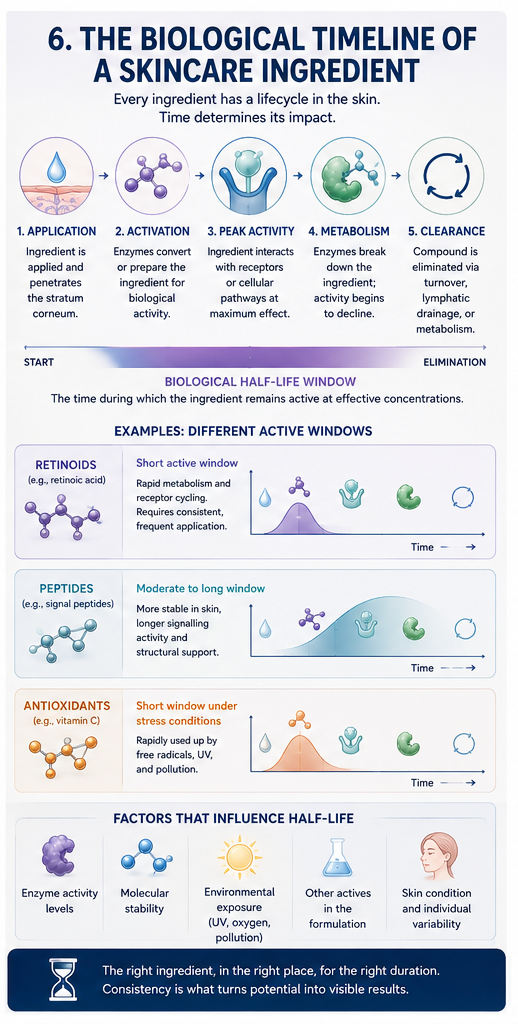
Biological Half-Life: The Time Dimension of Skincare
Once inside the skin, ingredients exist within a time-limited biological window known as their half-life—the time required for 50% of a compound to be metabolised or eliminated.
This concept is crucial because it determines:
- How long an ingredient remains active
- How frequently must it be applied
- Whether effects accumulate or dissipate quickly
Several factors influence half-life:
- Enzyme activity levels in the skin
- Molecular stability
- Environmental exposure (UV, oxygen, pollution)
- Interaction with other actives in the same formulation
For example, retinoids often require consistent application because their biological activity declines relatively quickly after conversion and receptor interaction. In contrast, some peptides and lipid-soluble compounds may persist longer within skin structures.
Detoxification and Elimination Pathways
The skin is not only a site of absorption—it is also a protective elimination system. Once foreign compounds enter, the skin actively regulates their presence to maintain equilibrium.
Enzymatic Detoxification
Cytochrome P450 enzymes and related oxidative systems modify lipophilic compounds into more water-soluble forms, enabling removal or deactivation. This is a key xenobiotic defence mechanism.
Physical and Biological Clearance
Compounds may also be:
- Transported away via interstitial fluid movement
- Cleared through lymphatic drainage
- Gradually shed with epidermal turnover
This continuous clearance system ensures that the skin remains stable but also limits how long topical ingredients can exert effects.
The Role of “Inactive” Ingredients After Penetration
Not all ingredients are designed to be biologically active in the traditional sense, but they still influence skin behaviour.
Emollients and Occlusives
These typically remain within the stratum corneum, where they:
- Reinforce lipid barriers
- Reduce transepidermal water loss (TEWL)
- Improve the texture and elasticity of the outer skin layer
They do not deeply penetrate but are essential for maintaining barrier function.
Preservatives and Additives
These may:
- Remain on the surface or partially penetrate
- Interact minimally with enzymes or immune receptors
- Occasionally triggers irritation or sensitisation in sensitive individuals
Even “inactive” ingredients therefore contribute indirectly to overall skin response and product tolerability.
Why Stability and Formulation Control Everything
Even the most biologically powerful ingredient is ineffective if it cannot survive the environment of the skin or formulation.
Key stability challenges include:
- Oxidation from oxygen exposure
- Photodegradation from UV light
- pH-dependent instability
- Interaction with other actives in the formula
This is why modern formulations increasingly prioritise stabilisation systems, encapsulation technologies, and controlled-release mechanisms over simply increasing ingredient concentration.
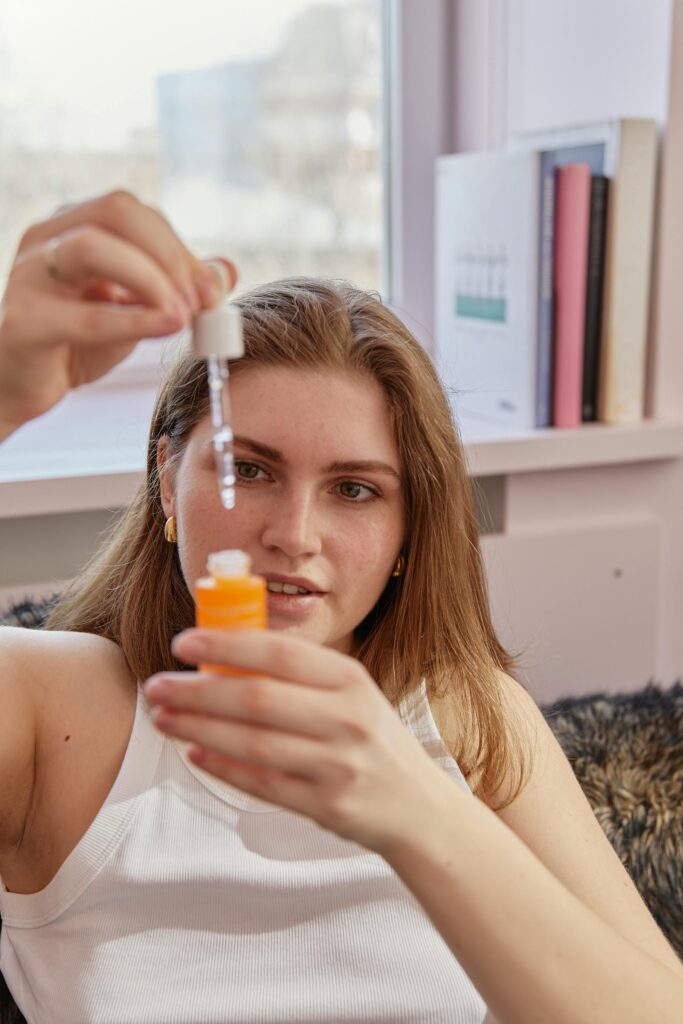
Conclusion: The Skin as an Intelligent Regulatory System
Once skincare ingredients enter the skin, they become part of a highly regulated and responsive biological ecosystem. They are not static compounds but dynamic participants in enzymatic pathways, receptor systems, metabolic networks, and elimination processes.
From activation and receptor signalling to degradation and clearance, every step determines whether a molecule will produce visible skin changes or be neutralised before it can act.
Understanding this transforms skincare from a surface-level routine into a biologically informed system of interaction. It highlights why formulation science, ingredient stability, delivery systems, and consistency are just as important as the ingredients themselves.
Ultimately, effective skincare is not just about what you apply—it is about what the skin allows to happen once it arrives.
Bear in mind that some of the links in this post are affiliate links and if you go through them to make a purchase I will earn a commission. Keep in mind that I link these companies and their products because of their quality and not because of the commission I receive from your purchases. The decision is yours, and whether or not you decide to buy something is completely up to you.