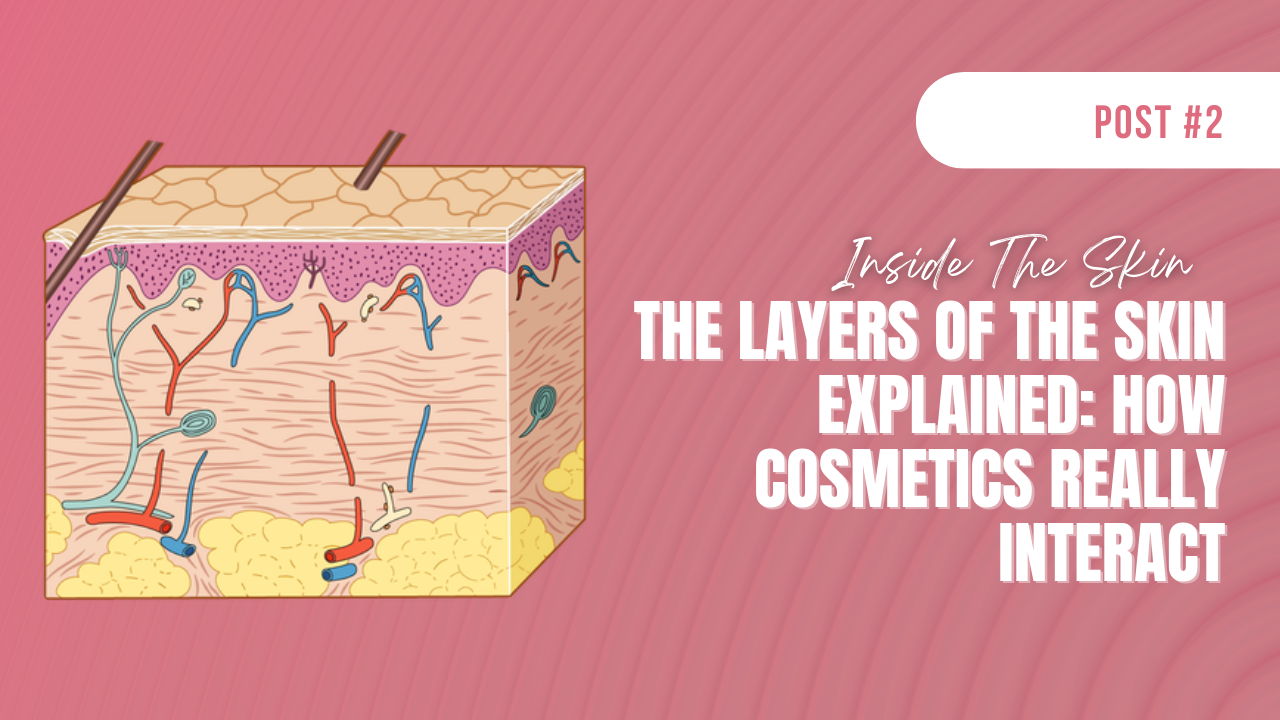
We often hear claims that skincare products “penetrate deep into the skin” or that a certain serum can “repair the skin from within.” But what do these promises really mean? Can your moisturiser truly reach the dermis, or is it just improving the surface texture? To answer these questions, we need to look closely at the skin itself and understand its structure layer by layer—and how cosmetic ingredients interact with the layers of the skin. In this second instalment of the Inside the Skin series, we’re taking a deep dive into the skin’s anatomy to uncover the real story of cosmetic absorption.

Understanding the Layers of the Skin
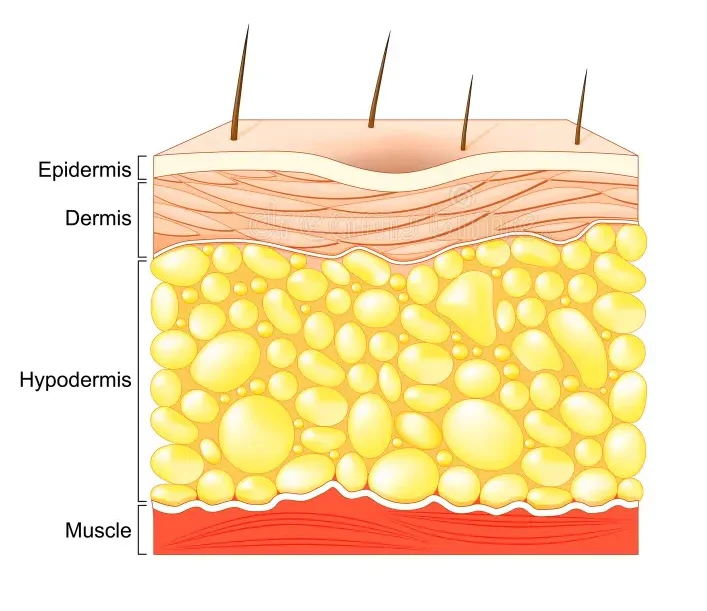
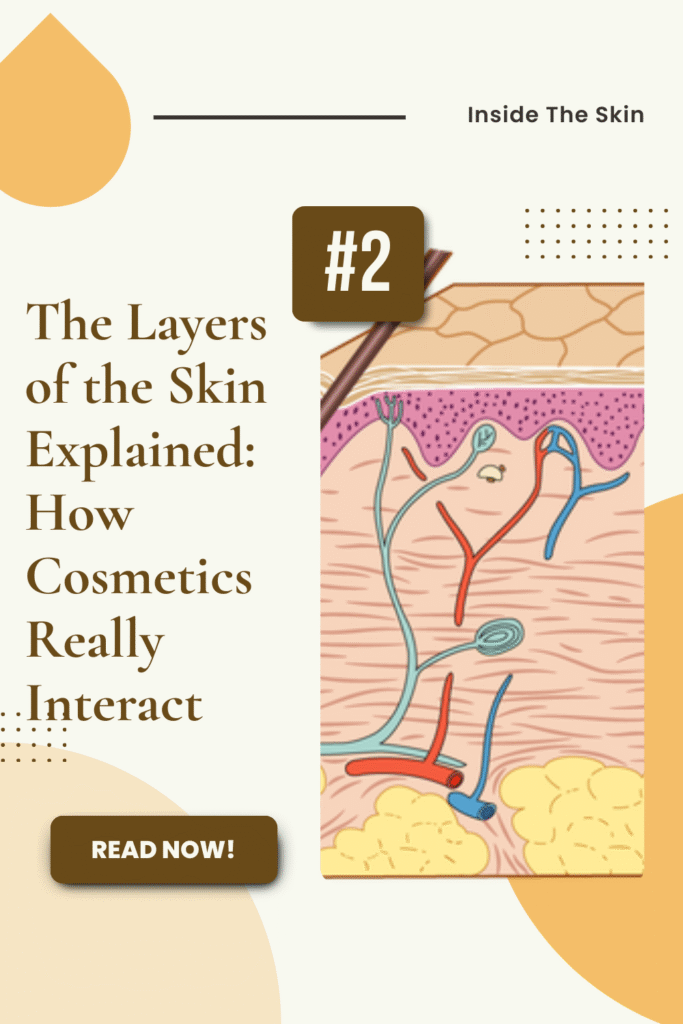
Your skin is more than just a protective covering. It’s a complex organ—your largest, in fact—made up of three primary layers, each with its own distinct structure and function:
- Epidermis
- Dermis
- Hypodermis (Subcutaneous tissue)
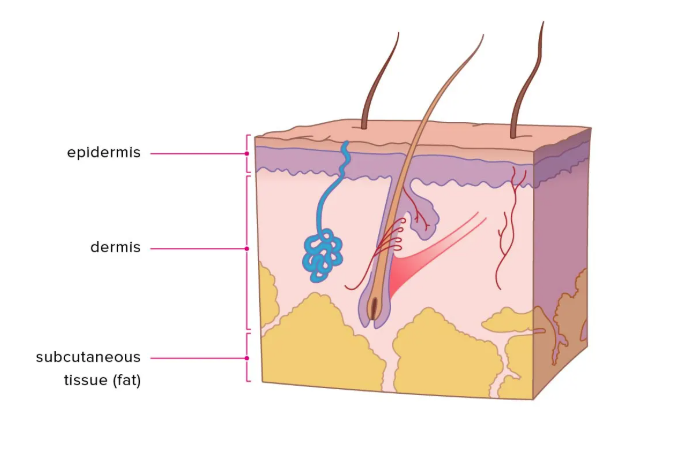
Let’s explore each in detail and examine how they relate to your skincare routine.
Layers of the Skin: The Epidermis, Your First Line of Defence
The epidermis is the outermostof the layers of the skin and acts as the first barrier between you and the outside world. It’s composed primarily of keratinocytes and lacks blood vessels, relying on diffusion from the underlying dermis for nutrients.
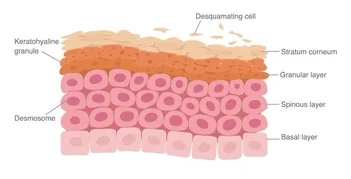
Stratum Corneum: The Guardian Layer
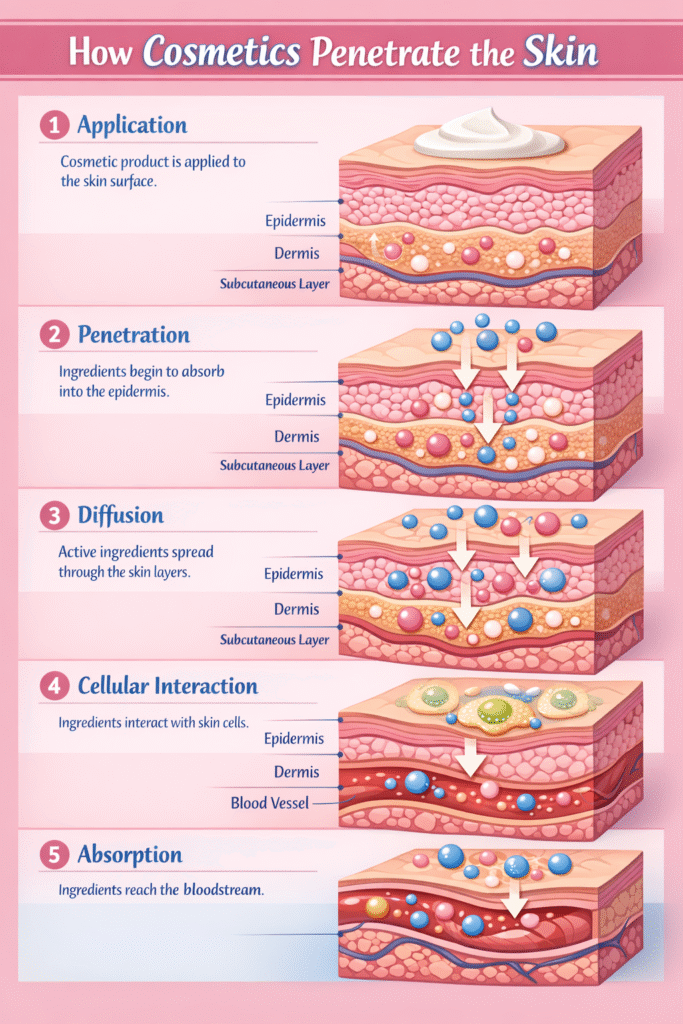
The very top part of the epidermis is the stratum corneum, made of dead, flattened skin cells embedded in a lipid matrix. This layer is often compared to a brick wall, with dead cells as bricks and lipids as mortar. It’s this layer that most cosmetic products must first penetrate.
- What Can Reach It: Most moisturisers, cleansers, and physical sunscreens work at this level.
- Function: Prevents transepidermal water loss and protects against environmental aggressors.
Deeper Epidermal Layers
Below the stratum corneum are several more layers: the stratum lucidum (only in thick skin like palms), stratum granulosum, stratum spinosum, and stratum basale.
- Stratum Basale: Where cell division occurs. New skin cells are generated here and migrate upward.
- Interaction with Products: Some active ingredients, such as retinoids and niacinamide, may reach these deeper layers when formulated correctly.
Key Point:
Most over-the-counter cosmetics only affect the epidermis, and primarily the stratum corneum. The challenge lies in helping actives go deeper without disrupting the barrier.
Layers of the Skin: The Dermis, Where the Action Happens
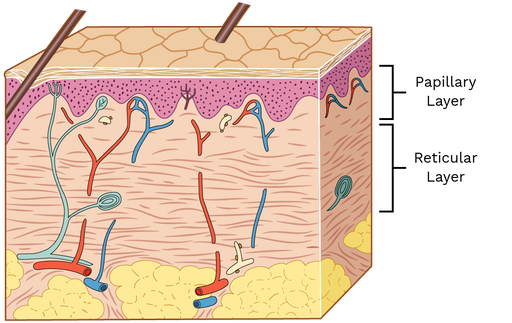
Beneath the epidermis lies the dermis, a thicker, vascularized layer made up of connective tissue, collagen, elastin, blood vessels, lymphatics, and nerve endings. This is where many of the skin’s visible and functional aspects are regulated.
Key Functions:
- Supports the epidermis.
- Hosts fibroblasts (which produce collagen and elastin).
- Houses immune cells and sensory receptors.
Cosmetic Relevance:
- Anti-ageing actives like vitamin C, peptides, and growth factors aim to reach the dermis to stimulate collagen production.
- Challenge: The dermis is hard to access without advanced delivery systems (more on that in a future post).
Myth-Busting:
When a cream claims to boost collagen, it must be formulated to allow its ingredients to pass through the epidermis into the dermis. Most do not—unless specifically designed with delivery systems.
Layers of the Skin: The Hypodermis, Deep Reserves
Also known as the subcutaneous tissue, this layer is made up mostly of fat and connective tissue. It provides insulation, stores energy, and cushions internal organs.
- Skincare Relevance: Very few topical products reach this layer.
- Medical Relevance: Injectable treatments like fillers and certain medications (e.g., insulin) are delivered to this layer.
How Cosmetic Ingredients Interact with the Layers of the Skin
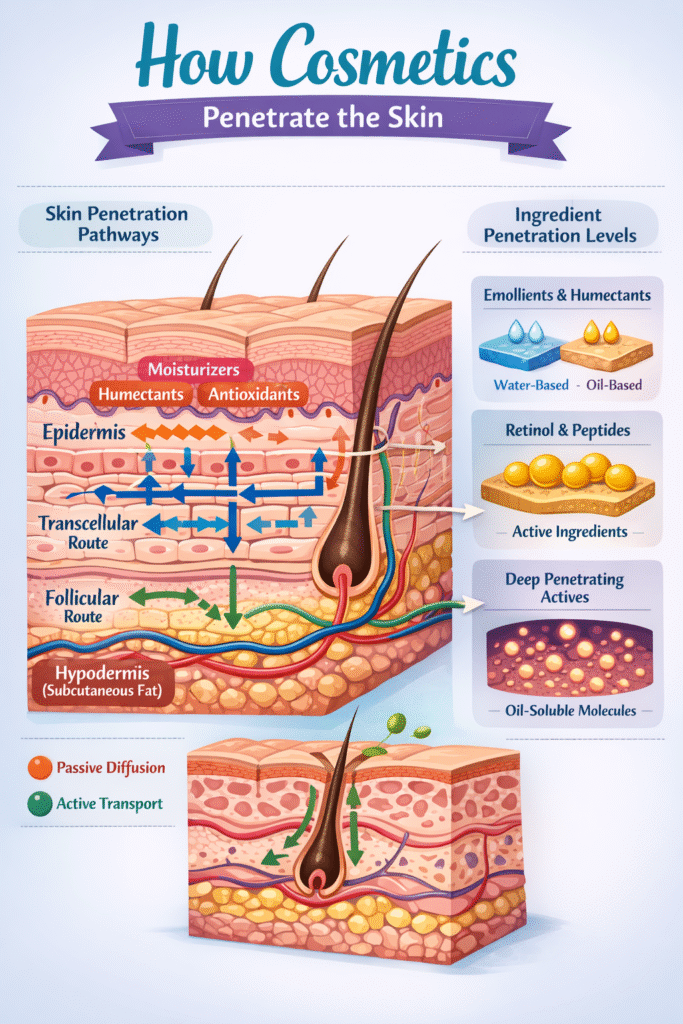
Not all skincare ingredients behave the same way. Their ability to penetrate the skin depends on several factors:
1. Molecular Size
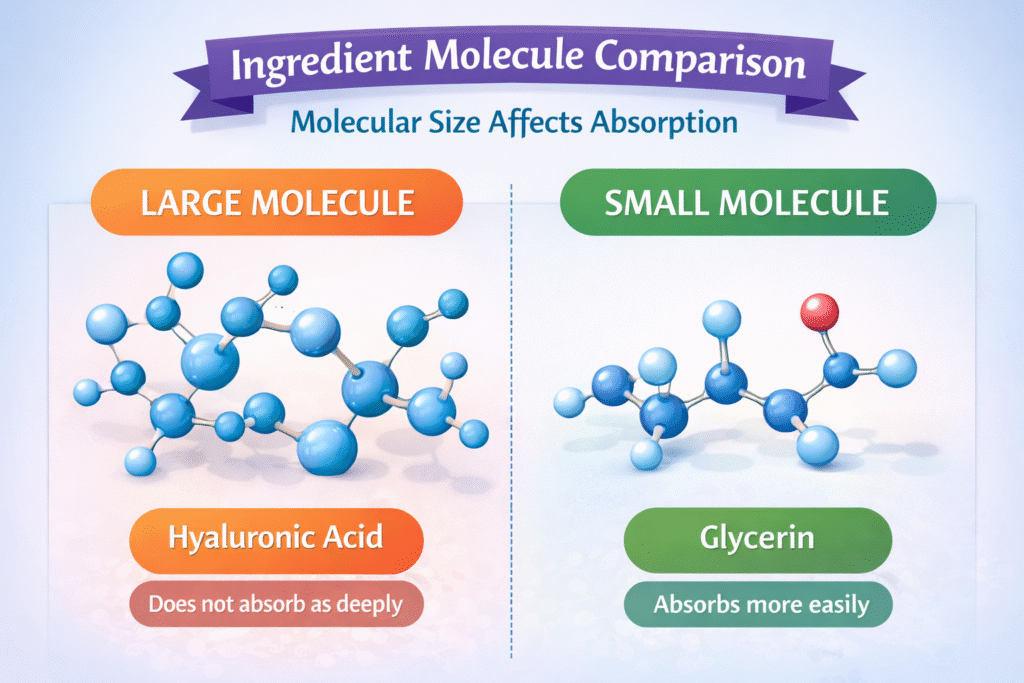
- Ingredients under 500 Daltons in size (the “500 Dalton Rule”) have a better chance of penetrating the epidermis.
- Larger molecules (like hyaluronic acid) usually remain on the surface unless broken into smaller fragments.
2. Solubility
- Lipophilic (fat-soluble) substances penetrate the stratum corneum more easily.
- Hydrophilic (water-soluble) ingredients require specific carriers to pass through lipid-rich barriers.
3. Formulation and Delivery
- Emulsions, encapsulations (like liposomes or nanocarriers), and chemical enhancers can influence how deeply an ingredient penetrates.
Cosmetic Claims vs. Biological Reality
When products promise to “nourish from within” or “repair deep damage,” it’s essential to understand the limits of topical delivery. Most products stay within the uppermost layers unless they are:
- Professionally applied (microneedling, chemical peels).
- Enhanced with penetration technology.
- Designed as pharmaceuticals rather than cosmetics.
Layer by Layer Understanding
| Skin Layer | Main Components | Cosmetic Impact |
| Stratum Corneum | Dead keratinocytes, lipids | Target of anti-ageing actives, peptides, delivery system products |
| Epidermis (below SC) | Living keratinocytes, melanocytes | Retinoids, niacinamide, vitamin C (limited penetration) |
| Dermis | Collagen, elastin, blood vessels, fibroblasts | Target of anti-ageing actives, peptides, and delivery system products |
| Hypodermis | Fat cells, connective tissue | Only reached through injections or specific treatments |
Myths vs Reality: How Deep Does Skincare Really Go?
Myth:
“My moisturiser reaches deep into my dermis and boosts collagen production.”
Reality:
Most moisturisers stay within the uppermost layers of the epidermis. They lock in moisture and protect the barrier — vital, but not deeply transformative.
Myth:
“If I don’t feel tingling, it’s not working.”
Reality:
Sensations like tingling often mean irritation, not effectiveness. Great products work silently and steadily without drama!
Why Understanding the Layers of the Skin Matters for Your Routine
When you understand how your skin is built, you can:
- Choose smarter products that target the right layers.
- Set realistic expectations about what topical skincare can achieve.
- Prioritise barrier repair over chasing miracle cures.
- Invest wisely in treatments or techniques that match your skin’s needs.
The truth is, your skin is a beautifully complex fortress — and your skincare’s job is to support and nourish it, not bulldoze through it.
Did You Know?
Most hyaluronic acid molecules in your serum are too large to penetrate the skin! That “plumping” effect you feel is usually due to hydration at the surface level—not deep moisturising.
Conclusion: Skin Deep, Not Soul Deep
Understanding your skin’s structure helps you become a smarter consumer. When you read cosmetic labels or hear marketing buzzwords, you’ll now know what’s biologically possible—and what’s wishful thinking. Most skincare works within the epidermis, and effective actives must be small enough or supported by advanced delivery systems to go deeper.
In our next post, we’ll talk about why molecular size matters and how it influences the reach and efficacy of your favourite ingredients.
Stay curious, stay beautiful—and stay tuned.
Want more posts like this? Subscribe to our newsletter and follow us on Instagram for weekly breakdowns of skin science and skincare truths.
Bear in mind that some of the links in this post are affiliate links and if you go through them to make a purchase I will earn a commission. Keep in mind that I link these companies and their products because of their quality and not because of the commission I receive from your purchases. The decision is yours, and whether or not you decide to buy something is completely up to you.