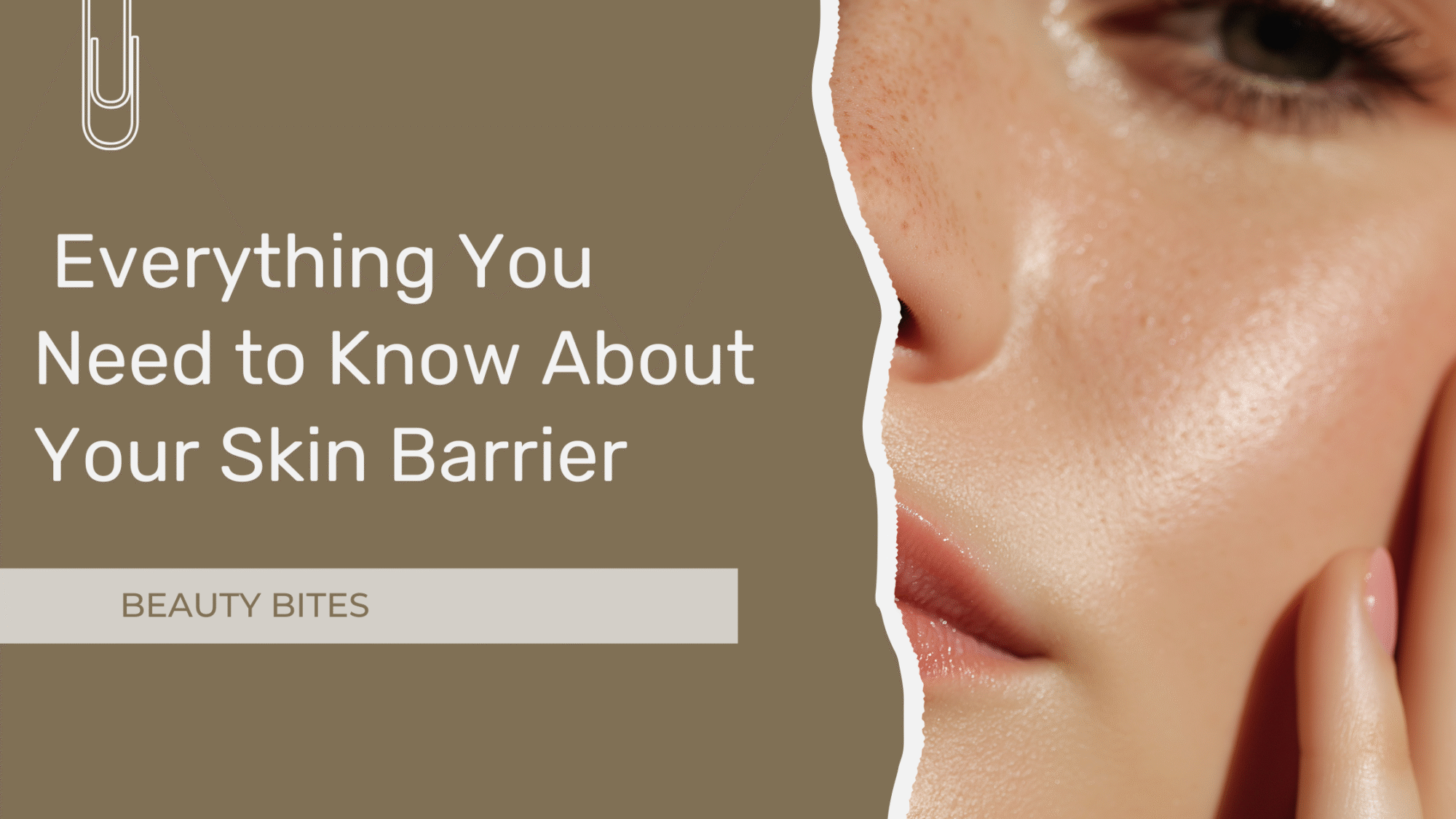
When it comes to skincare, we often focus on achieving a radiant glow through serums, exfoliants, and treatments. But at the heart of a healthy complexion lies an often-overlooked champion: the skin barrier. This essential yet fragile layer is your skin’s first line of defence, protecting against environmental aggressors while locking in moisture and nutrients. Understanding how it functions and how to care for it can transform your skincare routine—and your skin’s overall health.

What Is the Skin Barrier?
The skin barrier, also known as the stratum corneum, is the outermost layer of your skin. It consists of dead skin cells embedded in a lipid matrix composed of ceramides, cholesterol, and fatty acids. Think of it as a brick wall, with skin cells as bricks and lipids as the mortar holding everything together. This barrier plays a crucial role in keeping skin hydrated, resilient, and protected from harmful external factors.
Why Your Skin Barrier Matters
A well-functioning skin barrier provides three essential benefits:
- Protection: Shields against pollutants, bacteria, and allergens, preventing skin infections and irritation.
- Hydration: Prevents excessive moisture loss, keeping the skin soft, plump, and healthy.
- Inflammation Control: Regulates immune responses to help prevent irritation, redness, and inflammatory conditions such as eczema or acne.
Signs of a Compromised Skin Barrier
When the skin barrier is weakened, your skin becomes more vulnerable to damage and discomfort. Here’s what to look out for:
- Persistent dryness and tightness: A weakened barrier cannot retain moisture, leading to dehydration.
- Flaking and peeling: Without a strong lipid matrix, the skin may start shedding excessively.
- Increased sensitivity: Skin becomes reactive to products and environmental changes.
- Redness and inflammation: A compromised barrier can trigger irritation and flare-ups.
- Breakouts or worsening skin conditions: Acne, eczema, and psoriasis can become more pronounced.
- Premature ageing: A weakened barrier accelerates fine lines, wrinkles, and loss of elasticity.
What Causes Skin Barrier Damage?
Several everyday habits and environmental factors can contribute to barrier disruption:
- Over-cleansing: Stripping away natural oils can leave the skin vulnerable.
- Harsh exfoliation: Overusing physical or chemical exfoliants can erode the skin’s protective layer.
- Dehydration: Lack of water intake and inadequate hydration can impair skin function.
- Environmental stressors: UV radiation, pollution, and extreme weather conditions can weaken the barrier.
- Irritating skincare ingredients: Alcohol, strong acids, and synthetic fragrances can trigger inflammation.
How to Repair and Strengthen Your Skin Barrier
If your skin barrier is compromised, it’s essential to take a restorative approach with gentle, nourishing skincare. Here’s how:
1. Simplify Your Routine
When your skin is struggling, less is more. Stick to gentle, hydrating products and eliminate any potentially irritating ingredients.
- Cleansing: Use mild, sulfate-free cleansers to avoid stripping essential oils.
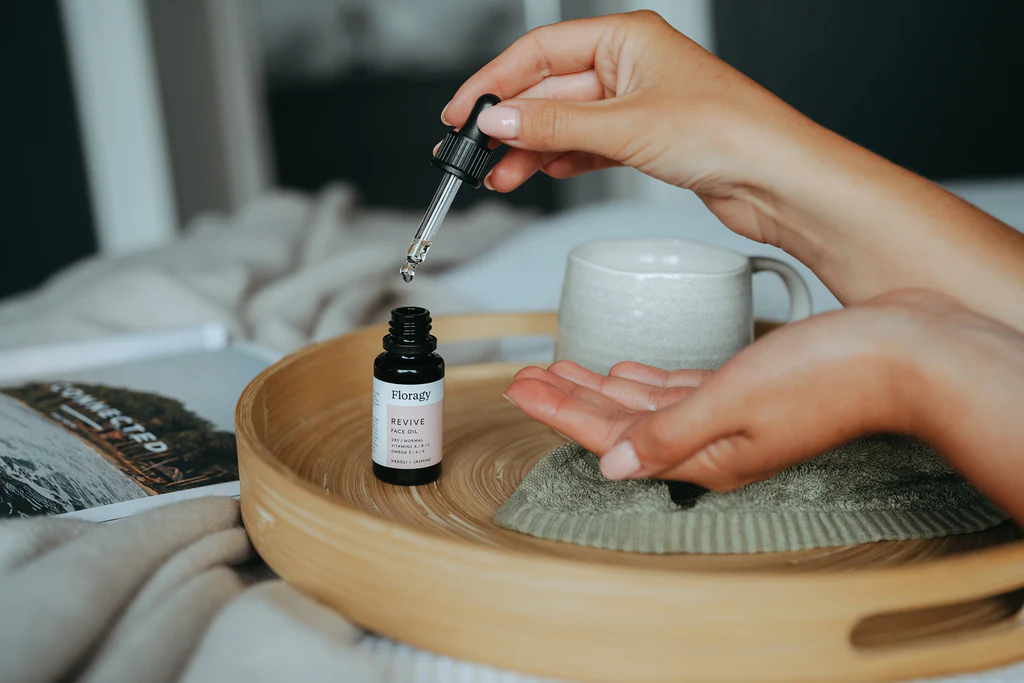
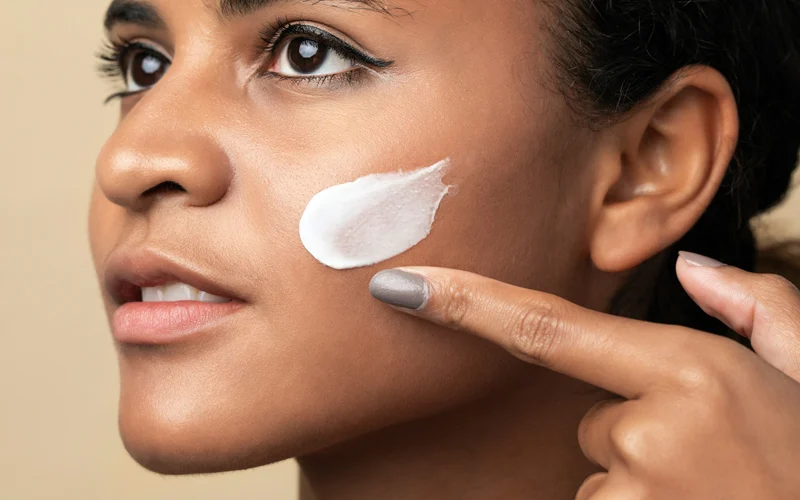
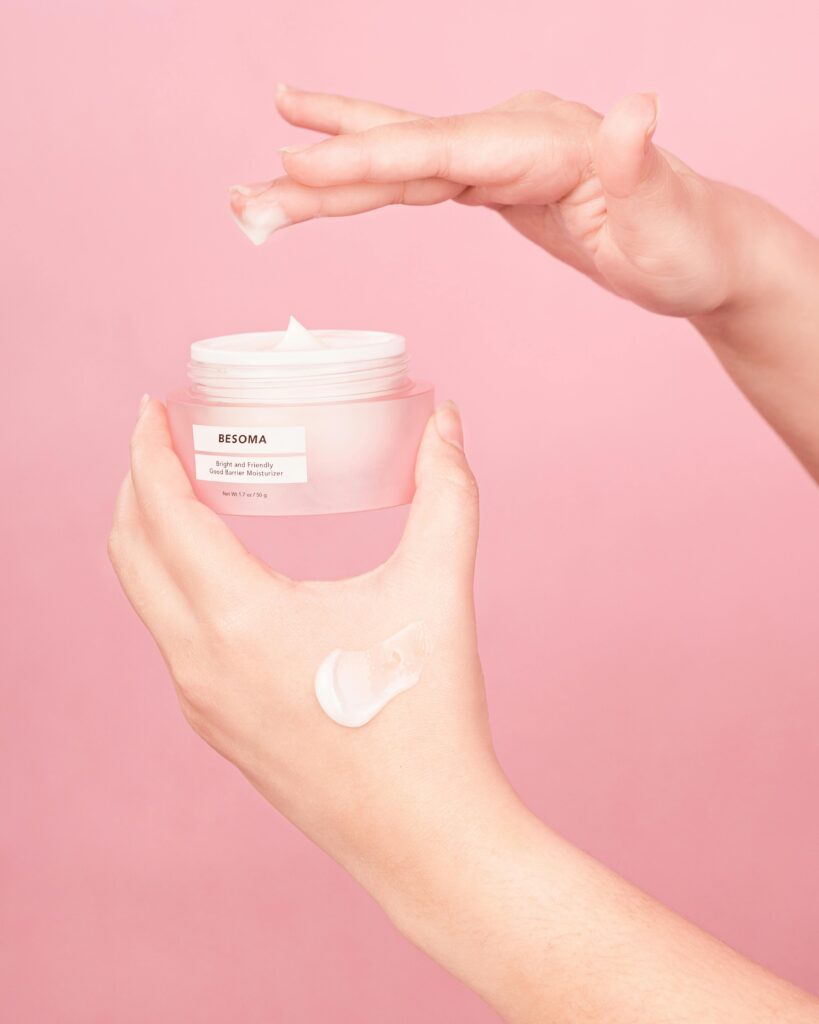
- Moisturising: Choose barrier-repairing formulas rich in ceramides, cholesterol, and fatty acids.
- Avoid harsh exfoliants: Reduce or eliminate AHAs, BHAs, and scrubs until your skin recovers.
2. Incorporate Barrier-Boosting Ingredients
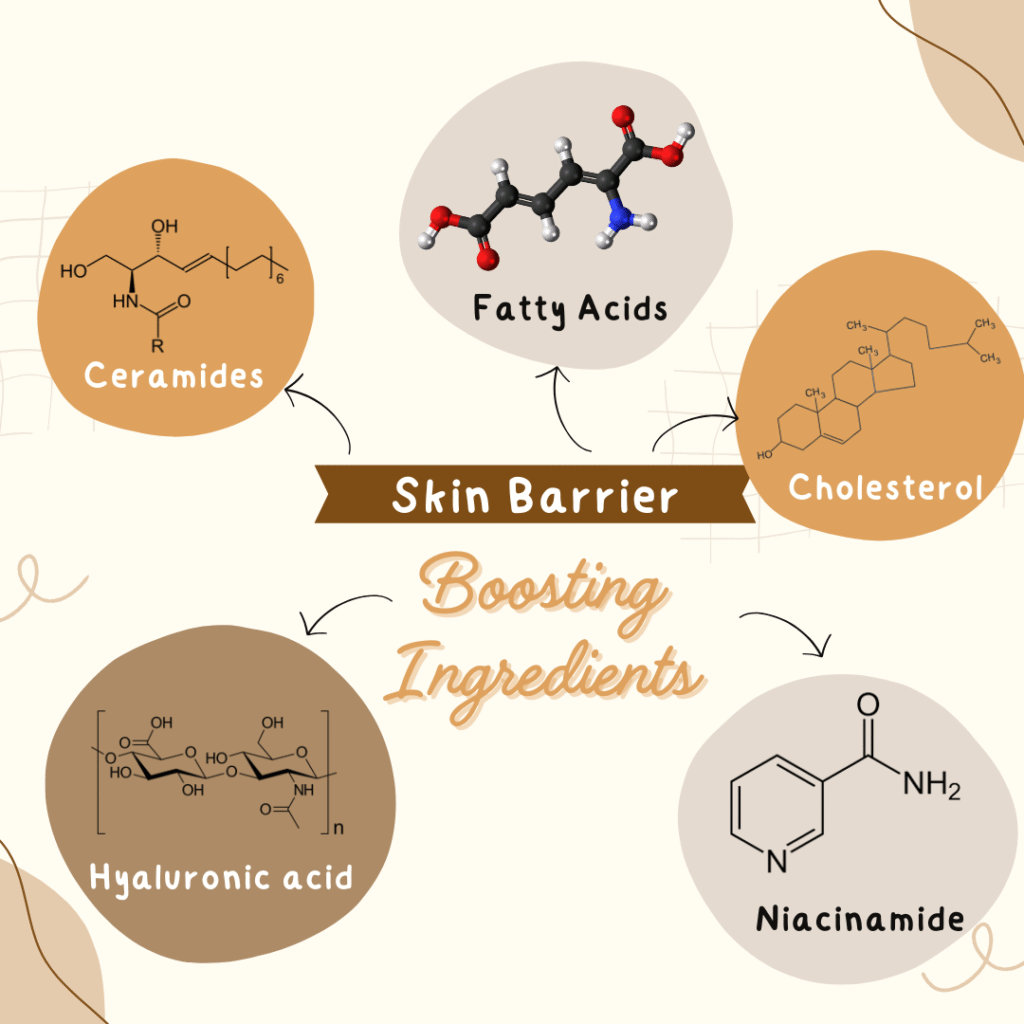
Certain ingredients are essential for rebuilding and maintaining a healthy skin barrier:
- Ceramides: Strengthen the lipid matrix and prevent moisture loss.
- Fatty acids: Nourish and restore the skin’s natural hydration levels.
- Cholesterol: Works alongside ceramides and fatty acids to maintain barrier integrity.
- Hyaluronic acid: Draws moisture into the skin for deep hydration.
- Niacinamide: Reduces inflammation and enhances barrier function.
3. Prioritise Hydration
Both internal and external hydration play a role in skin health.
- Drink plenty of water to support overall hydration.
- Use humectants like hyaluronic acid to attract moisture.
- Seal hydration in with occlusives like shea butter or squalane.
4. Protect Your Skin
Shielding your skin from environmental stressors is crucial:
- Apply sunscreen daily with SPF 30 or higher to protect against UV damage.
- Limit hot showers, as excessive heat can strip natural oils.
- Use a humidifier in dry climates to maintain optimal moisture levels.
The Role of Ceramides in Skin Barrier Health
Ceramides are lipid molecules that act as the glue holding the skin barrier together. Without enough ceramides, the skin becomes prone to dehydration, irritation, and premature ageing.
How to Boost Ceramide Levels
- Use ceramide-rich moisturisers to replenish the skin’s natural supply.
- Look for ceramide-infused cleansers that cleanse without stripping moisture.
- Consider ceramide supplements (though more research is needed to confirm their efficacy).
Beyond Ceramides: Other Essential Lipids
While ceramides get most of the attention, other lipids play key roles in barrier function:
- Cholesterol: Stabilises the lipid matrix, ensuring proper skin function.
- Omega-3 and Omega-6 fatty acids: Found in oils like rosehip and evening primrose, these fatty acids help retain moisture and reduce inflammation.
My Favourite Products for a Healthy Skin Barrier
These are my go-to products to keep a healthy skin barrier.
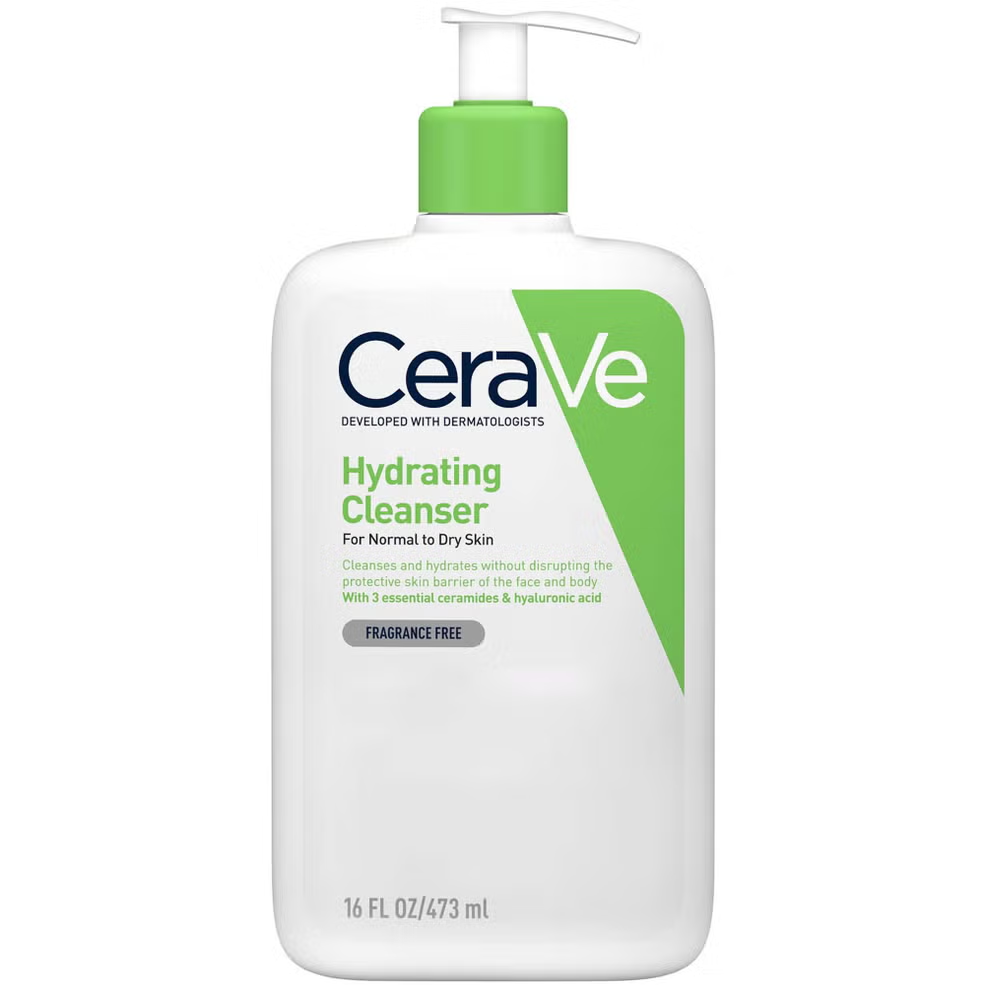
CeraVe Hydrating Cleanser
Contains ceramides and hyaluronic acid to cleanse without disrupting the barrier.
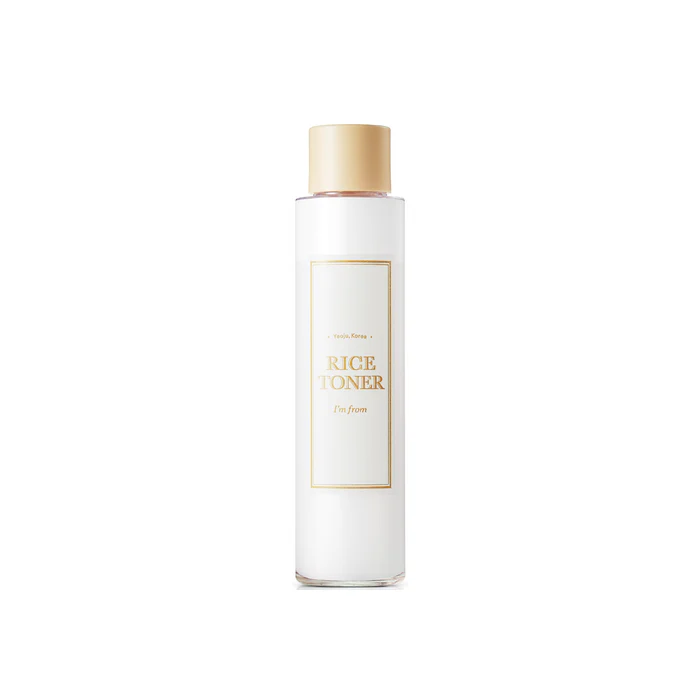
I’m From Rice Toner
Packed with rice extract to deeply hydrate and brighten
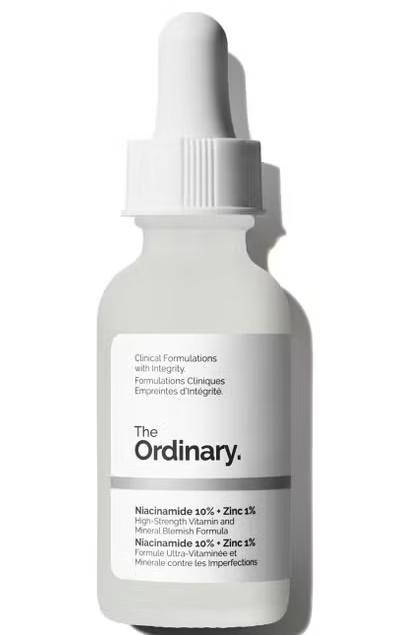
The Ordinary Niacinamide 10% + Zinc 1%
Reduces redness and regulates sebum while supporting the barrier.
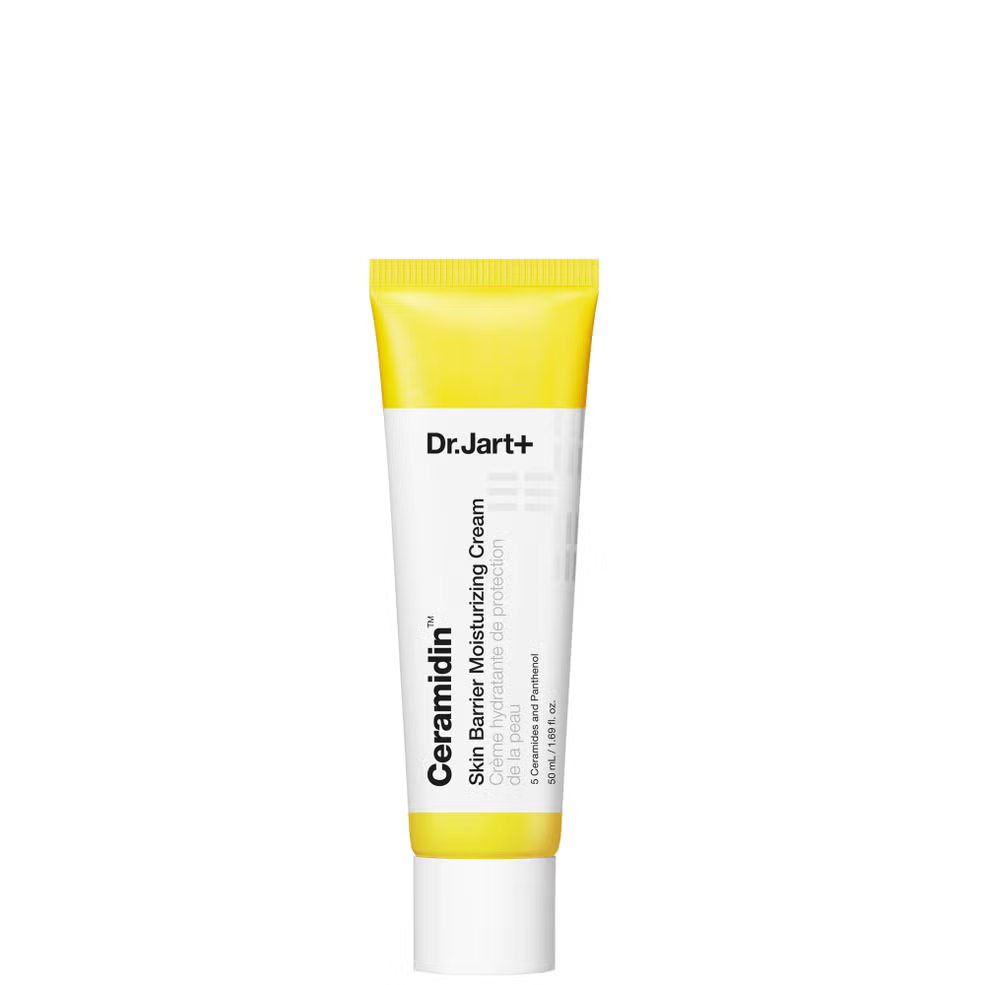
Dr. Jart+ Ceramidin Cream
Rich in ceramides to reinforce the barrier and prevent moisture loss.
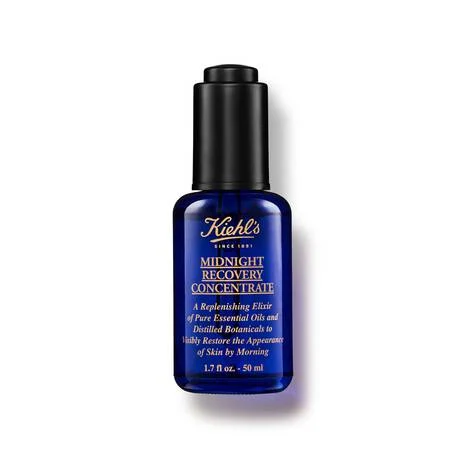
Kiehl’s Midnight Recovery Concentrate
A nourishing night oil with botanical extracts.
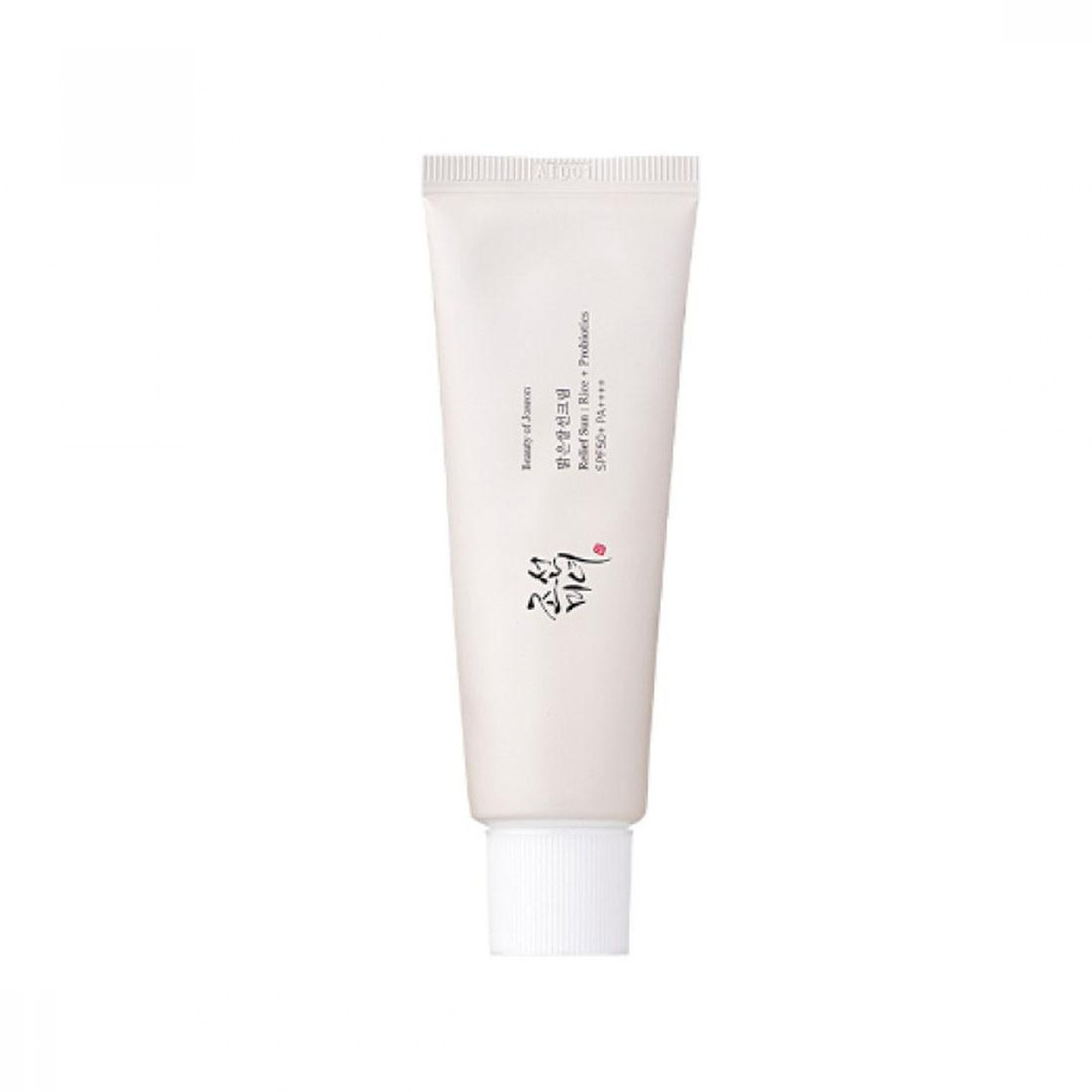
Beauty of Joseon Relief Sun: Rice + Probiotics SPF50+
Lightweight and moisturizing with soothing ingredients.
Final Thoughts: Prioritise Barrier Health for Radiant Skin
A strong, healthy skin barrier is the foundation of glowing, resilient skin. By understanding its function and caring for it with gentle, nourishing products, you can maintain long-term skin health. Consistency is key—with the right approach, your skin will become more balanced, hydrated, and resistant to environmental stressors.
By prioritising skin barrier health, you’re investing in a lifetime of better skin. So next time you reach for a skincare product, remember to ask: Is this helping or hurting my skin barrier?
Bear in mind that some of the links in this post are affiliate links and if you go through them to make a purchase I will earn a commission. Keep in mind that I link these companies and their products because of their quality and not because of the commission I receive from your purchases. The decision is yours, and whether or not you decide to buy something is completely up to you.