Modern skincare is increasingly inspired by regenerative medicine. Ingredients once limited to dermatology clinics are now entering topical skincare products and advanced aesthetic treatments. One such ingredient that has rapidly gained attention, particularly in Korean beauty and aesthetic dermatology, is PDRN.
PDRN, short for polydeoxyribonucleotide, is another name for “salmon DNA extract.” While that phrase might sound unusual at first, the science behind the ingredient is grounded in cellular repair, tissue regeneration, and wound healing research.
Originally used in medical treatments to accelerate tissue repair, PDRN is now appearing in serums, ampoules, sheet masks, and injectable skin boosters. It is especially popular in treatments for improving skin regeneration, elasticity, and overall skin quality.
In this article, we will explore the science behind PDRN, how it works in the skin, its benefits, how it compares with other regenerative skincare ingredients, and whether it deserves a place in your skincare routine.

What Is PDRN?
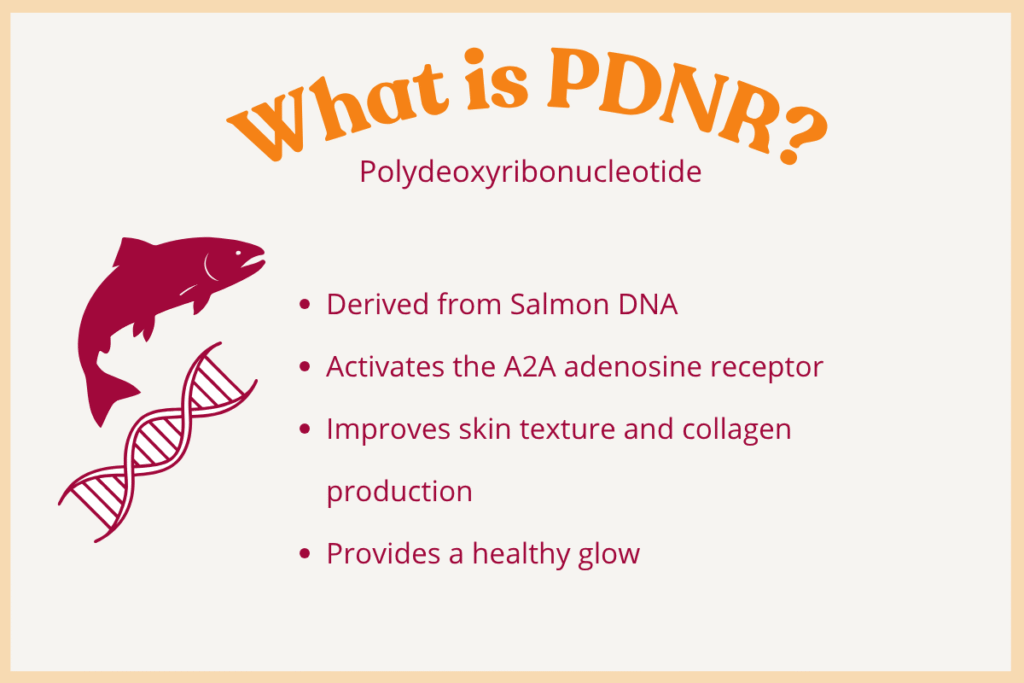
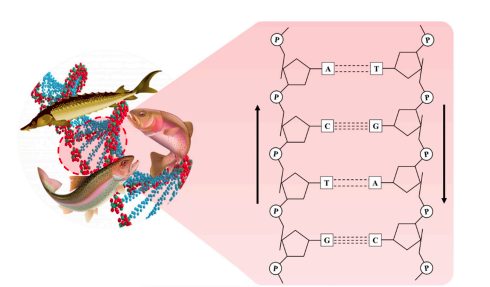
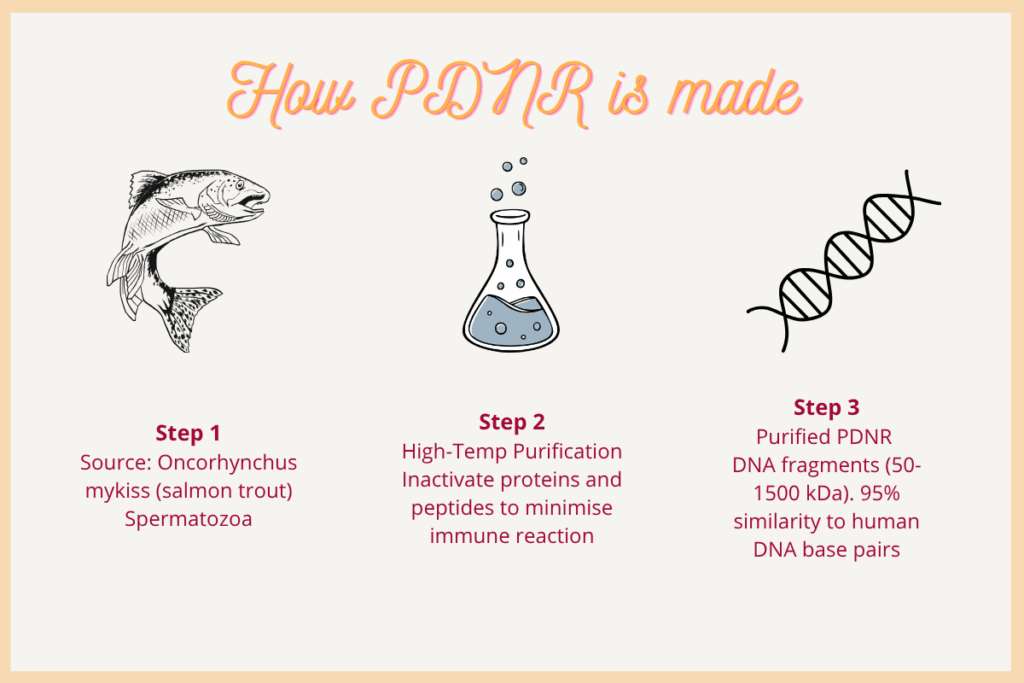
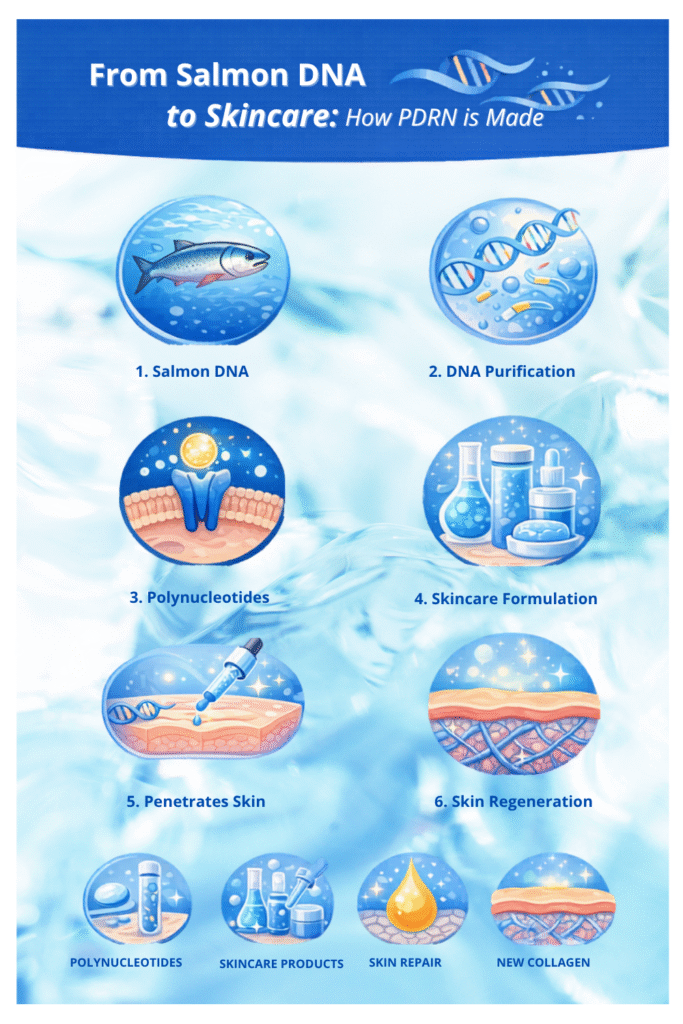
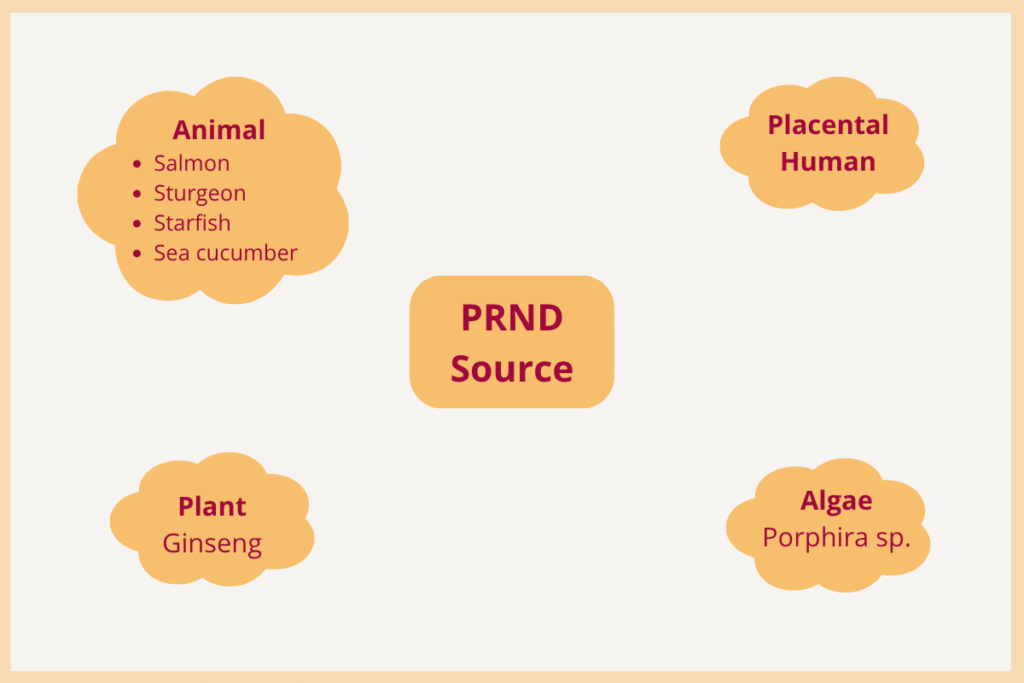
PDRN stands for polydeoxyribonucleotide, a compound composed of DNA fragments. These fragments are typically extracted and purified from salmon sperm DNA, chosen because salmon DNA has a structure very similar to human DNA and is well tolerated by the body.
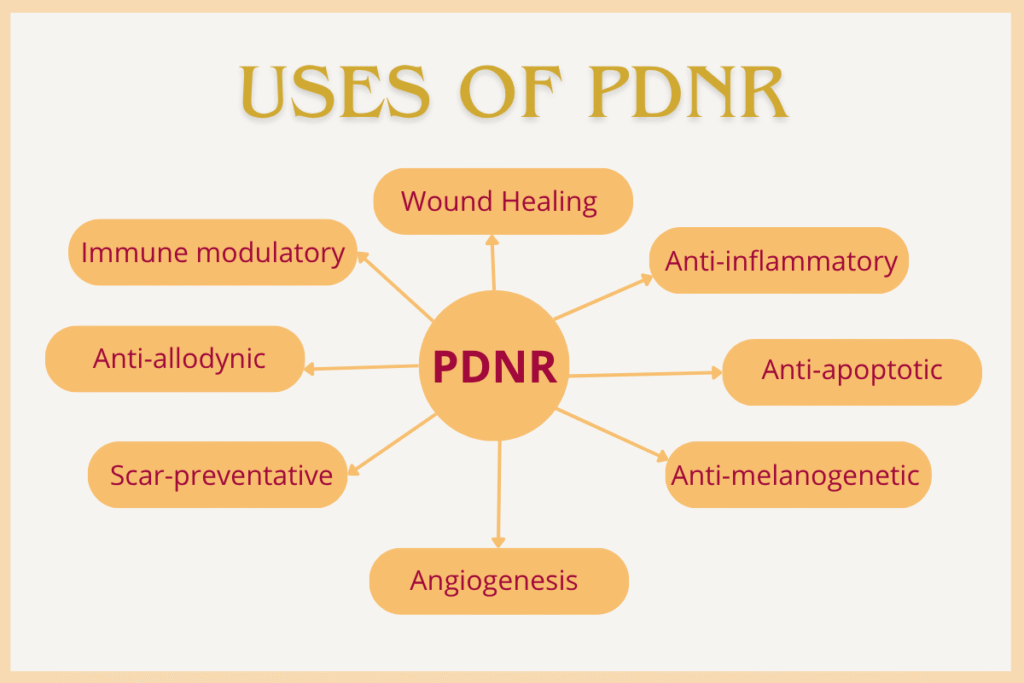
In dermatology and regenerative medicine, PDRN main use is to promote cellular repair and tissue regeneration. Research has shown that PDRN can stimulate biological pathways involved in healing and collagen production.
Rather than acting as a simple cosmetic ingredient like a humectant or antioxidant, PDRN interacts with cellular mechanisms involved in skin recovery. It essentially supports the skin’s natural repair processes, helping damaged tissues regenerate more efficiently.
Because of this mechanism, PDRN is frequently used in treatments targeting:
- skin aging
- impaired barrier function
- inflammation
- acne scars
- post-procedure recovery
While PDRN is most widely known as an injectable ingredient in aesthetic medicine, topical skincare formulations are now being developed to harness similar benefits.
The Medical Origins of PDRN
Before appearing in skincare products, PDRN was studied and used in medical wound healing treatments.
Researchers discovered that PDRN could stimulate tissue regeneration and angiogenesis (the formation of new blood vessels), both crucial for wound repair. These findings led to its use in treatments for:
- diabetic ulcers
- burns
- surgical wounds
- skin graft recovery
The ability of PDRN to accelerate tissue repair made it attractive for dermatology, particularly for improving skin regeneration and recovery after cosmetic procedures such as laser treatments or microneedling.
This medical background is one of the reasons PDRN is a “next-generation regenerative ingredient.”
How Salmon DNA Works in the Skin
PDRN supports skin regeneration through several biological mechanisms.
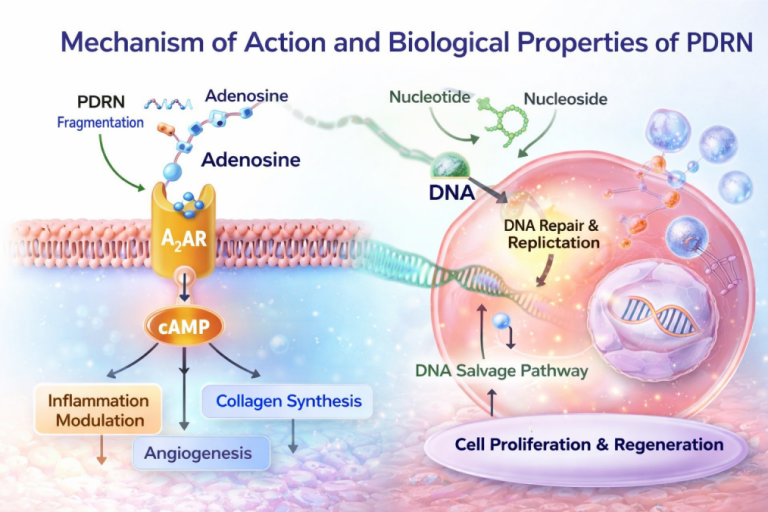
One of its most important actions involves activating adenosine A2A receptors in skin cells. Activation of these receptors triggers cellular pathways associated with tissue repair and anti-inflammatory responses.
When these pathways are stimulated, several beneficial processes occur:
Increased Cell Proliferation
PDRN can encourage fibroblasts—the cells responsible for producing collagen and elastin—to multiply and function more efficiently.
Improved Tissue Repair
DNA fragments from PDRN provide building blocks that cells can reuse during the repair process. This is known as the salvage pathway, where cells recycle nucleotides to rebuild damaged DNA.
Enhanced Microcirculation
Research suggests PDRN promotes angiogenesis, meaning it helps create new blood vessels. Improved blood flow supports oxygen and nutrient delivery to the skin.
Anti-Inflammatory Effects
Activation of A2A receptors can reduce inflammatory responses, which may help calm irritated or compromised skin.
These combined effects make PDRN particularly interesting for ageing and stressed skin.
Benefits of PDRN in Skincare
Although research is still evolving, several potential skincare benefits have been associated with PDRN.
Improved Skin Repair
One of the most well-documented benefits of PDRN is its ability to support skin recovery. This makes it valuable after treatments such as chemical peels, laser resurfacing, or microneedling.
Increased Skin Elasticity
By stimulating fibroblasts and collagen production, PDRN may improve skin firmness and elasticity over time.
Reduced Appearance of Fine Lines
Improved collagen synthesis and tissue regeneration may gradually soften the appearance of wrinkles.
Better Hydration and Barrier Function
Some studies suggest that regenerative ingredients like PDRN can improve skin barrier recovery, leading to better moisture retention.
Brighter, Healthier Skin
Improved microcirculation and cellular repair can contribute to a more even and radiant complexion.
PDRN in Aesthetic Treatments
In aesthetic medicine, PDRN is most commonly used in skin booster injections.
These treatments involve injecting PDRN into the dermis to stimulate regeneration directly within the skin. They are often marketed as:
- salmon DNA skin boosters
- regenerative skin injections
- polynucleotide treatments
Popular treatments include Rejuran, a well-known Korean injectable containing polynucleotides derived from salmon DNA.
These procedures aim to improve skin texture, elasticity, hydration, and overall skin quality.
Is PDRN the same as salmon DNA?
Yes. Most cosmetic and medical PDRN is derived from purified salmon DNA fragments
Can PDRN replace retinol or vitamin C?
No. PDRN works differently and is usually used alongside other active ingredients rather than replacing them.
Is PDRN safe?
Current research suggests it is well-tolerated and safe when properly purified.
How long does it take to see results?
With injectables, improvements may appear within a few weeks. Topical products typically require longer, consistent use.
PDRN in Topical Skincare Products
Topical skincare products containing PDRN are becoming increasingly popular, particularly in Korean skincare.
Common formats include:
- ampoules
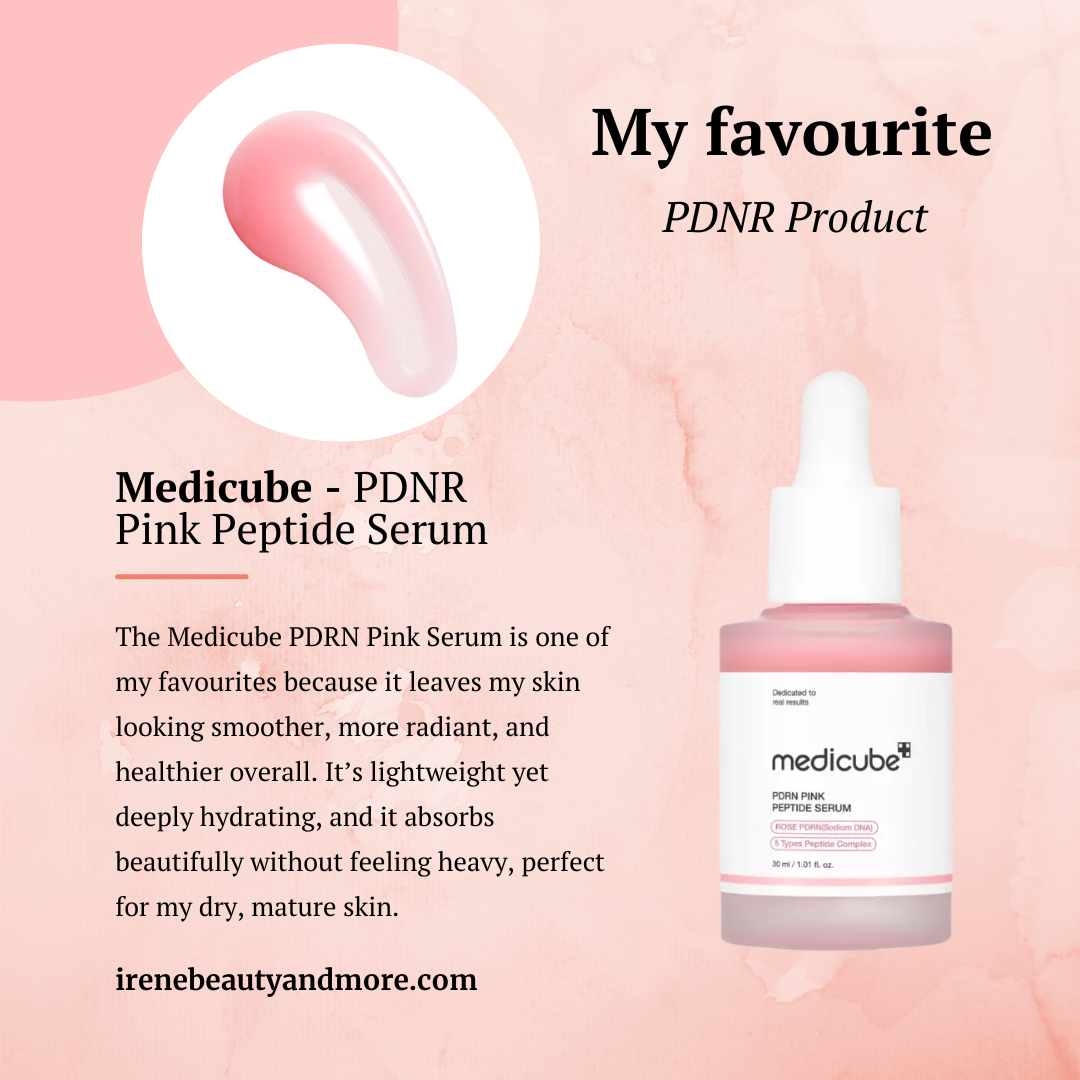
- serums
- sheet masks
- post-procedure creams
However, the effectiveness of topical PDRN depends heavily on formulation and delivery systems, since large molecules struggle to penetrate the skin barrier.
To address this, some brands use low-molecular-weight polynucleotides or combine PDRN with penetration-enhancing technologies.
Even when penetration is limited, PDRN may still provide benefits through surface repair support and anti-inflammatory effects.
PDRN vs Other Regenerative Ingredients
Salmon DNA is often compared with several other advanced skincare ingredients.
PDRN vs Peptides
Peptides signal skin cells to perform certain functions, such as producing collagen. PDRN works differently by providing DNA fragments involved in tissue repair.
PDRN vs Growth Factors
Growth factors directly signal cells to regenerate and produce collagen. PDRN instead stimulates repair pathways and provides molecular building blocks.
PDRN vs Stem Cell Extracts
Stem cell extracts typically contain antioxidants and signalling molecules, while PDRN specifically supports DNA repair and tissue regeneration.
Because of these differences, PDRN can complement other regenerative ingredients in skincare formulations.
Who Should Use PDRN?
PDRN may be particularly beneficial for people experiencing:
- mature or ageing skin
- compromised skin barrier
- post-procedure skin recovery
- dull or fatigued skin
- acne scarring
For individuals with dry or mature skin types, regenerative ingredients like PDRN may help support long-term skin resilience.
Are There Any Concerns?
PDRN is generally considered safe when properly purified.
Because it is derived from salmon DNA, individuals with severe fish allergies may want to consult a professional before using products containing PDRN.
Additionally, most of the strongest clinical evidence currently relates to injectable PDRN treatments, meaning topical products may provide more modest benefits.
As with many skincare ingredients, formulation quality and concentration matter significantly.
The Future of PDRN in Skincare
Regenerative skincare is a rapidly expanding field, and PDRN is likely to become more common as formulations improve.
Advances in delivery systems, such as:
- liposomes
- nano-encapsulation
- microneedle patches
may enhance the ability of PDRN to penetrate the skin effectively.
As research continues, PDRN could become one of the key ingredients bridging the gap between cosmetic skincare and regenerative dermatology.
PDRN was first studied for wound healing, not cosmetics.
Doctors initially used it to treat ulcers and burns because it accelerated tissue repair. Its skincare applications came later as dermatologists realized its potential for skin rejuvenation.
Conclusion
PDRN is an emerging skincare ingredient inspired by regenerative medicine. Derived from purified salmon DNA fragments, it works by supporting the skin’s natural repair processes, helping to stimulate collagen production, improve elasticity, and promote overall skin regeneration.
While the most significant results are typically seen in injectable treatments used in dermatology clinics, topical skincare products containing PDRN may still help support skin recovery, hydration, and barrier repair—especially when combined with ingredients like peptides or hyaluronic acid.
As regenerative skincare continues to evolve, PDRN is becoming an increasingly popular ingredient in advanced formulations. For those interested in science-backed skincare and innovative ingredients, PDRN represents a promising addition to modern skin-rejuvenation routines.
Bear in mind that some of the links in this post are affiliate links and if you go through them to make a purchase I will earn a commission. Keep in mind that I link these companies and their products because of their quality and not because of the commission I receive from your purchases. The decision is yours, and whether or not you decide to buy something is completely up to you.