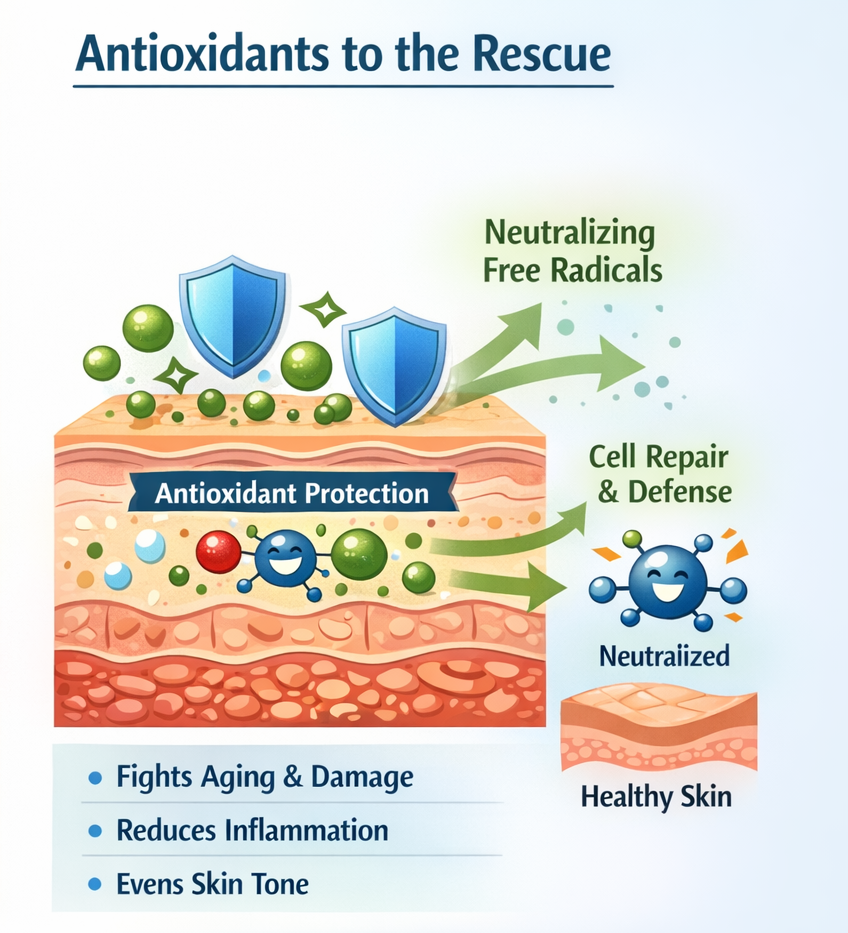
Exposure to the sun is one of the most significant contributors to skin ageing and damage. While sunscreens remain the primary defence against harmful UV radiation, antioxidants have emerged as a powerful ally in protecting skin from UV-induced damage. Unlike sunscreens, which act as a physical or chemical barrier, antioxidants work at the cellular level, neutralising harmful free radicals generated by UV exposure.
Skin exposed to ultraviolet (UV) rays undergoes oxidative stress, a process that accelerates ageing, causes pigmentation, and may even contribute to skin cancer. Incorporating antioxidants into your skincare routine helps reduce oxidative stress, promoting healthier, more resilient skin. In this guide, we will explore the science behind antioxidants, the best types for protecting skin, and practical ways to integrate them into daily skincare.
Understanding UV Damage
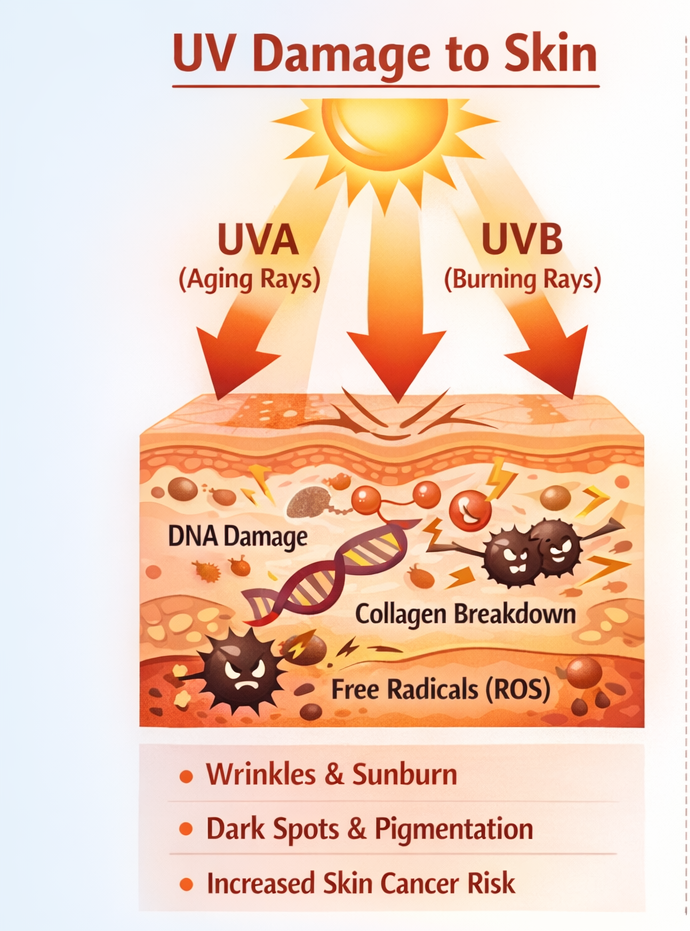
To understand how antioxidants protect skin, it’s crucial to know what happens when skin is exposed to UV rays. UV radiation is divided into two primary types: UVA and UVB.
- UVA rays penetrate deep into the dermis, the skin’s thickest layer, causing collagen breakdown, premature ageing, and DNA damage.
- UVB rays primarily affect the epidermis, leading to sunburn and direct DNA damage.
When UV rays penetrate the skin, they generate reactive oxygen species (ROS) or free radicals—unstable molecules that attack skin cells, proteins, and DNA. This oxidative stress leads to:
- Premature ageing (wrinkles, fine lines, loss of elasticity)
- Hyperpigmentation and uneven skin tone
- DNA mutations increase the risk of skin cancer
- Inflammation and redness
While sunscreens block UV rays, antioxidants neutralise free radicals, limiting the damage at a cellular level. This makes antioxidants a complementary defence for anyone concerned about skin ageing and sun damage.
What Are Antioxidants?
Antioxidants are molecules that donate electrons to free radicals, stabilising them and preventing cellular damage. The body naturally produces some antioxidants, like glutathione and superoxide dismutase, but environmental stressors such as sun exposure can overwhelm this defence system.
Topical antioxidants provide targeted protection in the skin layers where oxidative stress is highest, while dietary antioxidants support systemic protection from within.
Key Roles of Antioxidants in Skin Protection:
- Neutralising free radicals: Antioxidants stabilise ROS before they damage collagen, elastin, or DNA.
- Reducing inflammation: They decrease inflammatory markers triggered by UV exposure.
- Enhancing repair mechanisms: Certain antioxidants boost DNA repair and cellular regeneration.
- Complementing sunscreen: Antioxidants can mitigate damage from UV rays that penetrate sunscreen, especially UVA.
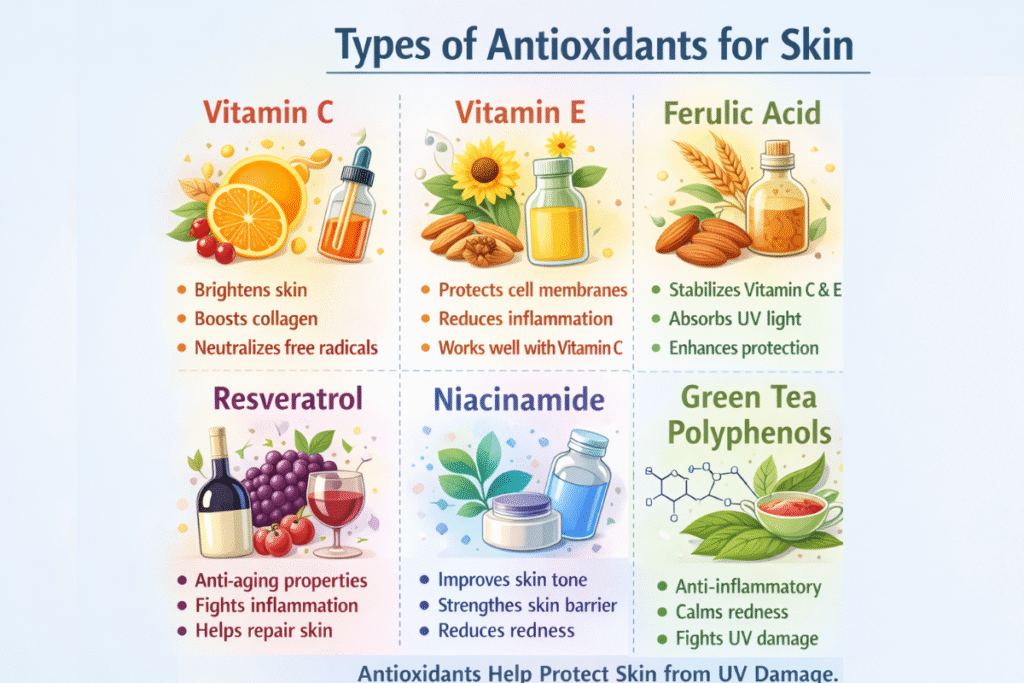
Types of Antioxidants for Skin
There are several antioxidants commonly used in skincare, each with unique properties and benefits. Here’s a detailed breakdown:
1. Vitamin C (Ascorbic Acid)
- Function: Potent antioxidant, collagen booster, brightening agent
- UV Protection: Neutralises free radicals generated by UVA/UVB exposure
- Usage: Daily topical serums in the morning; can enhance sunscreen efficacy
- Source: Citrus fruits, berries, green vegetables
Did You Know?
Vitamin C is unstable in light and air, so packaging in opaque, airtight containers is essential.
2. Vitamin E (Tocopherol)
- Function: Lipid-soluble antioxidant protecting cell membranes
- UV Protection: Works synergistically with Vitamin C to prevent lipid peroxidation
- Usage: Found in moisturisers, oils, and serums; ideal in combination with Vitamin C
- Source: Nuts, seeds, green leafy vegetables
Fun Fact
Vitamin E deficiency in the skin can increase sensitivity to UV damage.
3. Ferulic Acid
- Function: Stabilises vitamins C and E, enhancing photoprotection
- UV Protection: Absorbs UV rays and neutralises ROS
- Usage: Often combined with vitamin C serums
- Source: Grains, fruits, and vegetables
4. Coenzyme Q10 (Ubiquinone)
- Function: Energises cells and combats oxidative stress
- UV Protection: Reduces wrinkles and prevents collagen breakdown
- Usage: Anti-ageing serums and creams
- Source: Meat, fish, whole grains, and topical skincare
5. Green Tea Polyphenols (EGCG)
- Function: Powerful anti-inflammatory and antioxidant
- UV Protection: Reduces UV-induced DNA damage and skin redness
- Usage: Topical extracts in creams, serums, and sunscreens
- Source: Green tea leaves
6. Resveratrol
- Function: Potent antioxidant with anti-ageing properties
- UV Protection: Helps prevent UV-induced oxidative stress
- Usage: Found in serums and creams, often derived from grape skins
Did You Know?
Resveratrol is also studied for supporting DNA repair after UV damage.
7. Niacinamide (Vitamin B3)
- Function: Boosts skin barrier function and reduces inflammation
- UV Protection: Protects against oxidative damage and pigmentation
- Usage: Morning and evening serums and moisturisers
- Source: Topical or dietary (meat, fish, nuts, grains)
How Antioxidants Work With Sunscreens
Antioxidants do not replace sunscreen but complement it. Sunscreens prevent UV rays from penetrating the skin, while antioxidants neutralise ROS generated by any rays that penetrate, including UVA, which is less effectively blocked by some sunscreens.
Example Synergy:
- Applying a Vitamin C serum under SPF 30+ sunscreen enhances protection against free radicals.
- Vitamin E in moisturisers reinforces cell membrane integrity, helping skin resist inflammation from UV exposure.
Studies show that combining antioxidants with sunscreen reduces sunburn, pigmentation, and long-term photoaging more effectively than sunscreen alone.
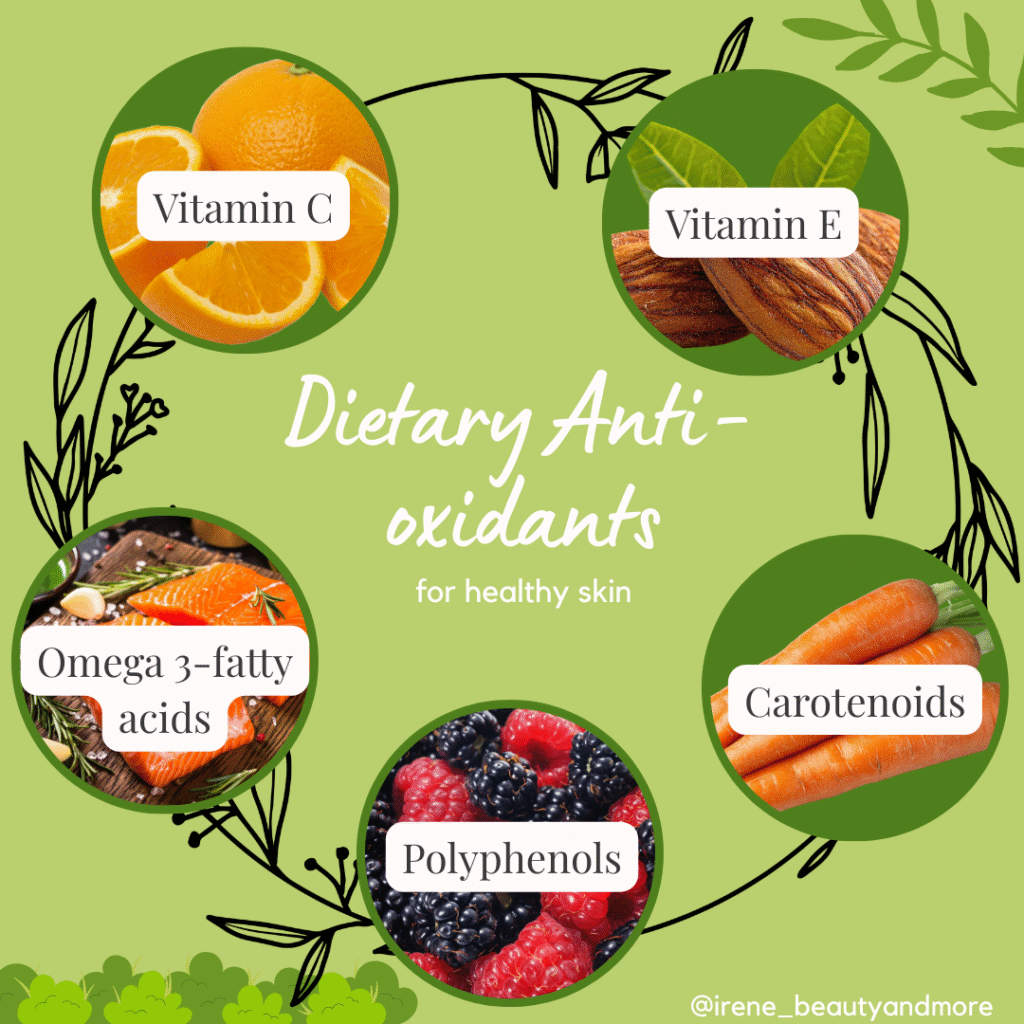
Dietary Antioxidants for Skin Health
In addition to topical antioxidants, consuming antioxidant-rich foods supports skin protection from within. Key dietary antioxidants include:
- Vitamin C: Citrus fruits, bell peppers, broccoli
- Vitamin E: Almonds, sunflower seeds, spinach
- Carotenoids (Vitamin A precursors): Carrots, sweet potatoes, kale
- Polyphenols: Berries, grapes, green tea
- Omega-3 fatty acids: Fatty fish, chia seeds, flaxseeds
These nutrients reduce systemic oxidative stress and inflammation, complementing topical antioxidant strategies.
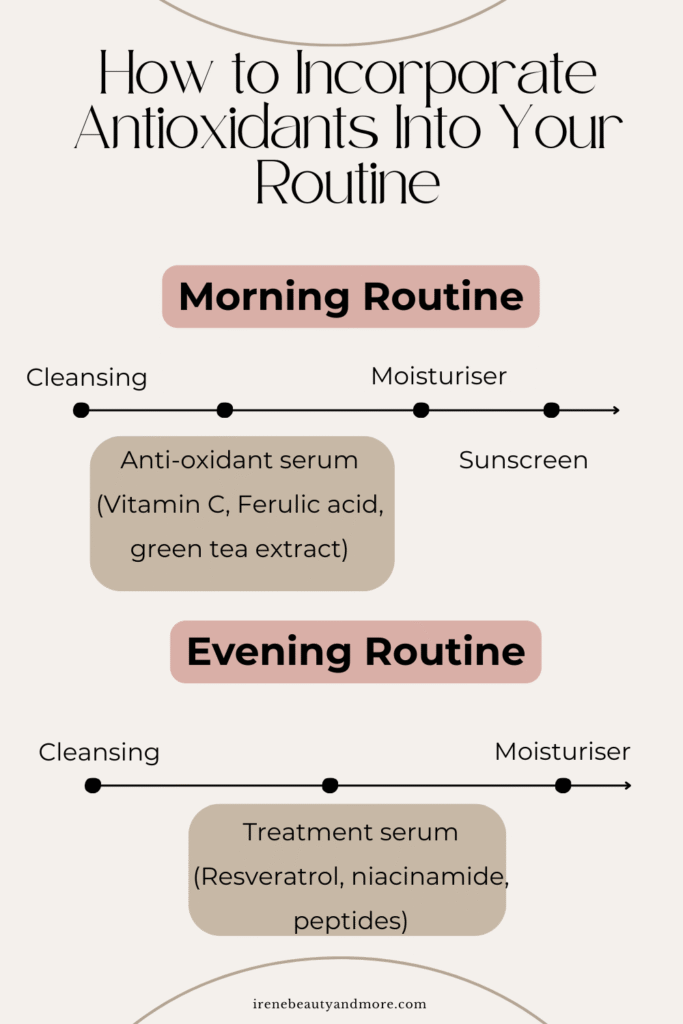
How to Incorporate Antioxidants Into Your Routine
Morning Routine
- Cleanser: Gentle, non-stripping formula
- Antioxidant Serum: Vitamin C, ferulic acid, or green tea extract
- Moisturiser: With Vitamin E or CoQ10
- Sunscreen: Broad-spectrum SPF 30+
Evening Routine
- Cleanser: Remove sunscreen and pollutants
- Treatment Serum: Resveratrol, niacinamide, or peptides
- Moisturiser: Rich in antioxidant oils (Vitamin E, squalane)
Tip
Layering antioxidants correctly enhances efficacy. Water-soluble antioxidants like vitamin C go first, followed by oil-soluble antioxidants like vitamin E.
Antioxidants and Skin Conditions
Photoaging
UV exposure accelerates collagen breakdown, causing wrinkles. Antioxidants like Vitamin C and CoQ10 reduce collagen degradation and stimulate repair.
Hyperpigmentation
Free radicals trigger melanin production, leading to dark spots. Niacinamide, Vitamin C, and green tea polyphenols can help prevent and reduce pigmentation.
Sunburn and Inflammation
Topical antioxidants decrease inflammatory responses, soothing redness and swelling from UV exposure.
Skin Cancer Prevention
While sunscreen is primary, antioxidants may reduce oxidative DNA damage that contributes to skin cancer development. Green tea polyphenols and Vitamin C show promising photoprotective effects in research.
Product Recommendations
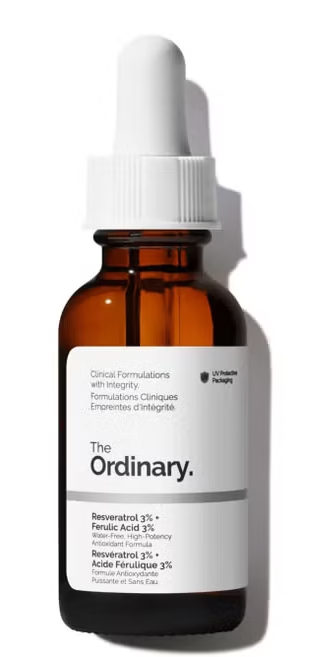
The Ordinary Resveratrol 3% + Ferulic Acid 3%
This concentrated antioxidant serum combines resveratrol and ferulic acid to help neutralise free radicals and support the skin’s defence against environmental damage. The lightweight formula absorbs quickly and can boost the effectiveness of other antioxidants in a skincare routine.
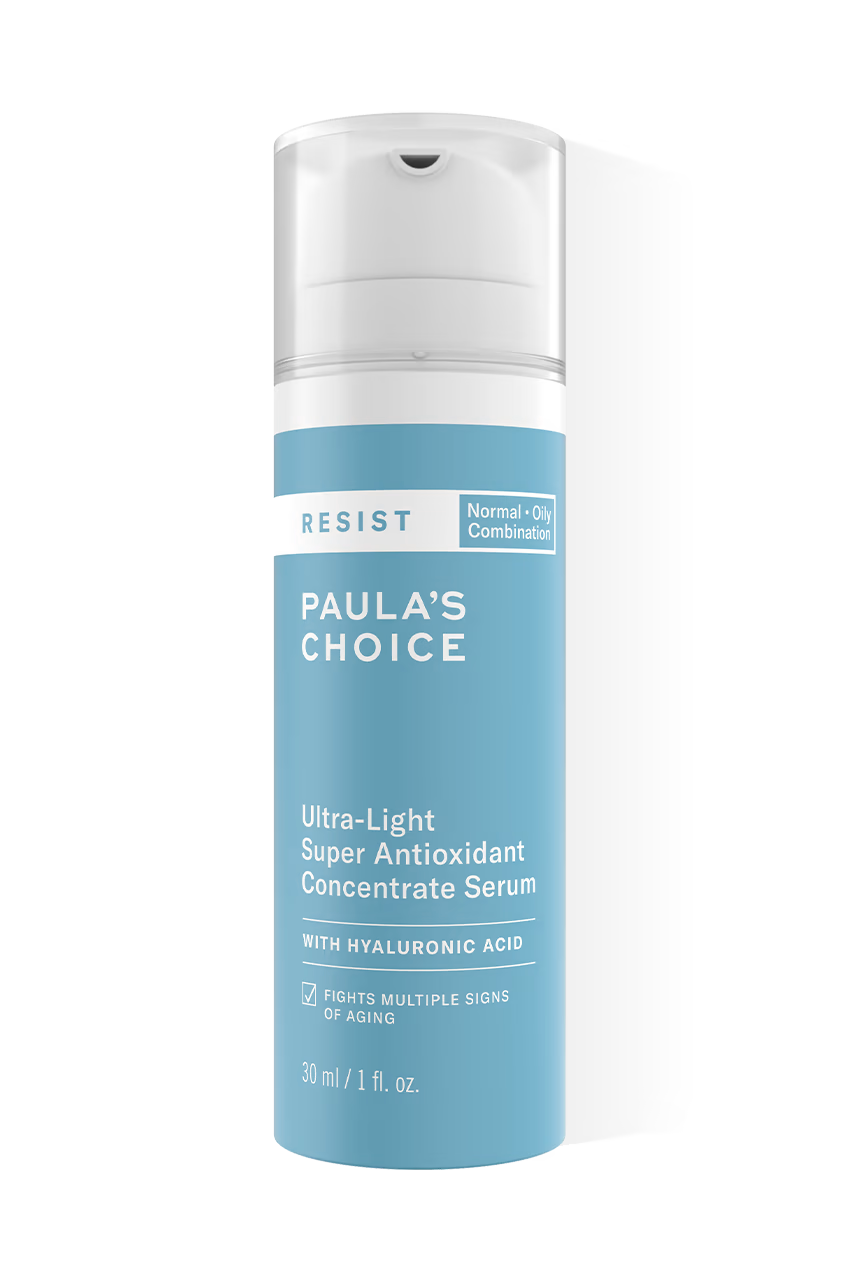
Paula’s Choice Resist Super Antioxidant Concentrate Serum
This nourishing serum from Paula’s Choice blends multiple antioxidants, including vitamins C and E, to protect the skin from environmental stressors while providing hydration. Its rich texture makes it particularly suitable for dry or mature skin.
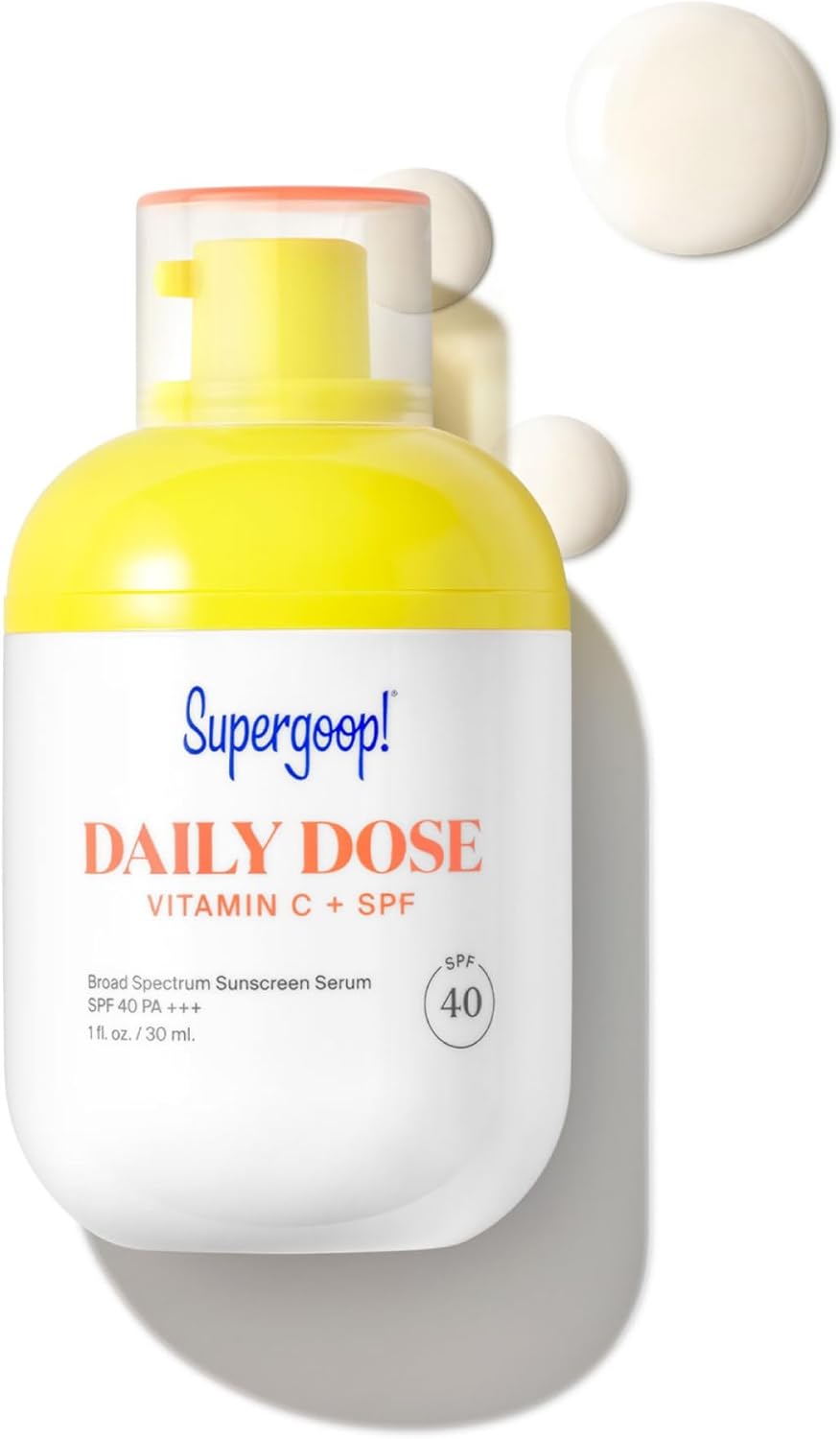
Supergoop! City Sunscreen Serum SPF 40 with Vitamin C
This lightweight sunscreen from Supergoop! combines broad-spectrum SPF protection with vitamin C to help defend the skin against UV damage and pollution. The serum texture layers well under makeup for daily protection.
Conclusion
Antioxidants are essential allies in the fight against UV-induced skin damage. By neutralising free radicals, reducing inflammation, and enhancing cellular repair, antioxidants help maintain youthful, radiant, and healthy skin. Combining topical antioxidants, dietary antioxidants, and daily sunscreen provides a comprehensive, science-backed strategy for skin protection. Whether your goal is to prevent photoaging, reduce pigmentation, or enhance overall skin resilience, integrating antioxidants into your routine is a proactive, powerful choice.
Bear in mind that some of the links in this post are affiliate links and if you go through them to make a purchase I will earn a commission. Keep in mind that I link these companies and their products because of their quality and not because of the commission I receive from your purchases. The decision is yours, and whether or not you decide to buy something is completely up to you.