
In today’s world, an increasing number of consumers are becoming aware of the environmental impact of their purchasing decisions. Eco-friendly products are no longer a niche market. It is a growing trend in industries ranging from beauty to household goods, and even food. But how can you tell which products are truly eco-friendly and which ones are just jumping on the “green” bandwagon? In this post, we’ll guide you through what to look for when choosing eco-friendly products, helping you make more sustainable and environmentally conscious choices.

Check for Certifications and Labels in Eco-friendly Products
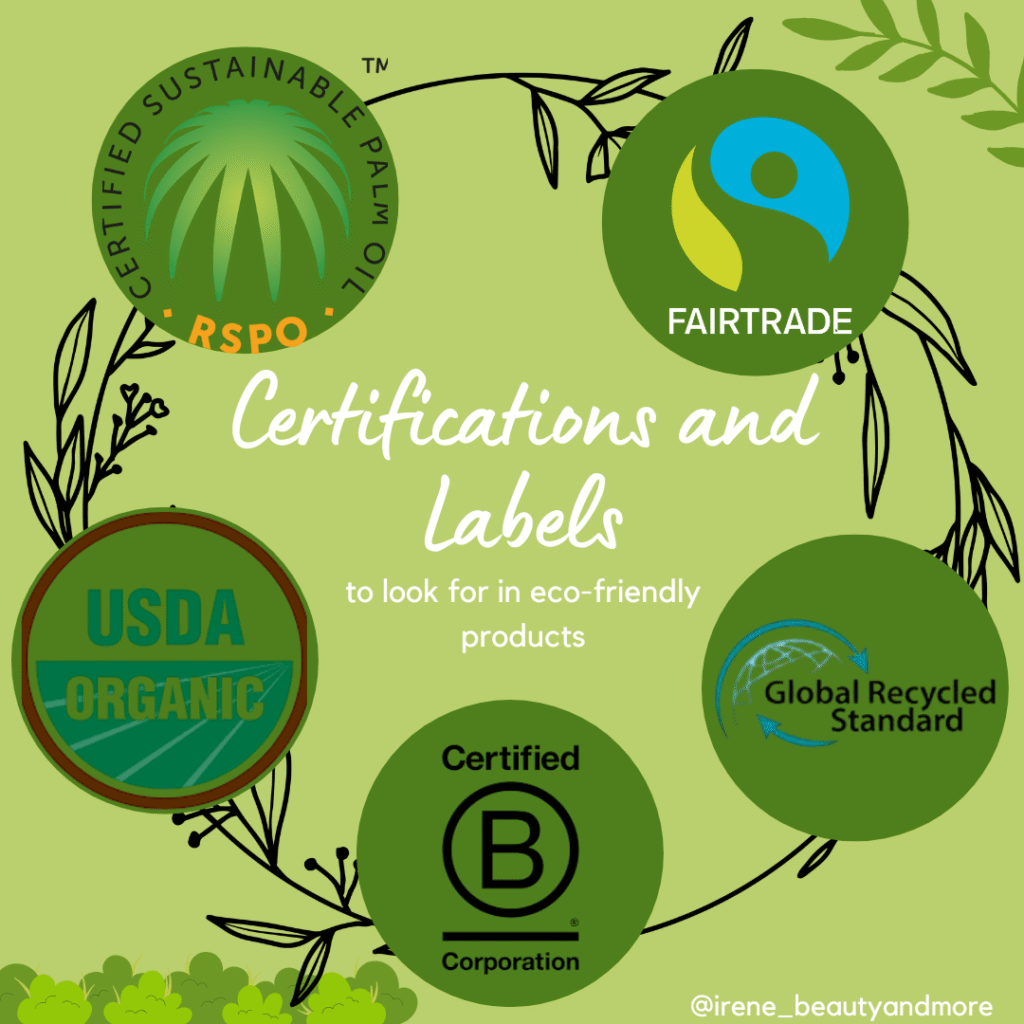
One of the easiest ways to determine whether a product is eco-friendly is by checking for official certifications or eco-labels. Third-party organisations issue these labels that set specific standards for sustainability. Some of the most common eco-certifications to look out for include
Fair Trade Certified: This label indicates that the product was produced under fair working conditions, often with a focus on environmental sustainability.
USDA Organic: For food and beauty products, the USDA Organic certification guarantees that the product comes from organic ingredients, grown without the use of synthetic fertilisers or pesticides.
RSPO (Roundtable on Sustainable Palm Oil): This certification ensures that any palm oil used in the product comes from a sustainable source, preventing deforestation and the destruction of wildlife habitats.
Global Recycle Standard (GRS): This certification ensures that a product is made from recycled materials, helping to reduce waste and the need for virgin resources.
B Corp Certification: Companies with a B Corp certification meet high standards of social and environmental performance, accountability, and transparency.
Look for these labels on products to quickly determine whether they align with sustainability standards.
Sustainable Sourcing and Ingredients
Eco-friendly products often prioritise sustainability not just in packaging but also in their ingredients or raw materials. When shopping for eco-friendly products, consider whether the materials used in the product come from a sustainable source. For example:
Plant-based ingredients: Eco-friendly beauty products often use plant-based ingredients like essential oils, organic herbs, and natural plant extracts. These ingredients are usually biodegradable and less harmful to the environment than synthetic chemicals.
Sustainable packaging: Packaging plays a huge role in a product’s environmental footprint. Look for products with minimal, recyclable, or biodegradable packaging. Glass, aluminium, and certain types of plastic (like PET or HDPE) are more eco-friendly options compared to single-use plastics.
Palm oil alternatives: If the product contains palm oil, check whether it comes from a sustainable source (RSPO-certified). Check also if the brand uses alternatives like coconut oil, olive oil, or shea butter, which have less environmental impact.
Ethical sourcing: Some brands commit to sourcing ingredients from small farms or cooperatives that support local communities. Ethical sourcing practices help ensure that the production of ingredients doesn’t harm the environment or exploit workers.
Biodegradable and Non-Toxic Products
Another important feature of eco-friendly products is that they should be non-toxic and biodegradable. Products that break down naturally in the environment have a much smaller impact than those that contain harmful chemicals or microplastics.
Non-toxic formulations: Look for products that are free from harmful chemicals, such as parabens, phthalates, and sulfates, which can damage ecosystems when they enter water systems.
Biodegradable: Choose products, especially cleaning agents and beauty products, that are biodegradable. These will break down safely in the environment without causing long-term pollution.
Cruelty-free and vegan: Eco-friendly brands often prioritise cruelty-free testing, meaning their products don’t undergo animal testing. Many of these brands also offer vegan products, ensuring that no animal-derived ingredients are used.
Energy and Water Efficiency in Eco-friendly Products
Eco-friendly products should not only be sustainable in terms of materials and ingredients but also in how they are produced and consumed. Look for products that contribute to energy and water conservation, such as:
Energy-efficient manufacturing: Many eco-friendly brands aim to reduce their carbon footprint by using renewable energy sources in their manufacturing processes, such as wind or solar power.
Water-saving products: Some products, especially in the beauty and cleaning industries, are designed to be water-efficient. For instance, dry shampoos or waterless beauty products help save water during use.
Zero-waste products: Some brands offer products designed to reduce waste by being refillable, reusable, or by offering take-back programs for recycling.
Transparency and Brand Commitment in Eco-friendly Products Brands
Transparency is key when choosing eco-friendly products. Look for brands that openly disclose their sustainability practices and values. This includes information about sourcing, manufacturing processes, and their overall environmental impact. A truly eco-conscious brand will often have a mission statement focused on sustainability, and they will actively work to reduce their carbon footprint and support environmental causes.
Transparency: Research the brand’s sustainability policies to ensure they’re genuinely committed to eco-friendly practices. This could include details about their supply chain, ingredients, production methods, and waste management strategies.
Community involvement: Many eco-friendly brands also engage in charitable initiatives, such as tree planting programs or community education on sustainability, which demonstrate their commitment to improving the planet.
Minimalistic and Multi-Use Products
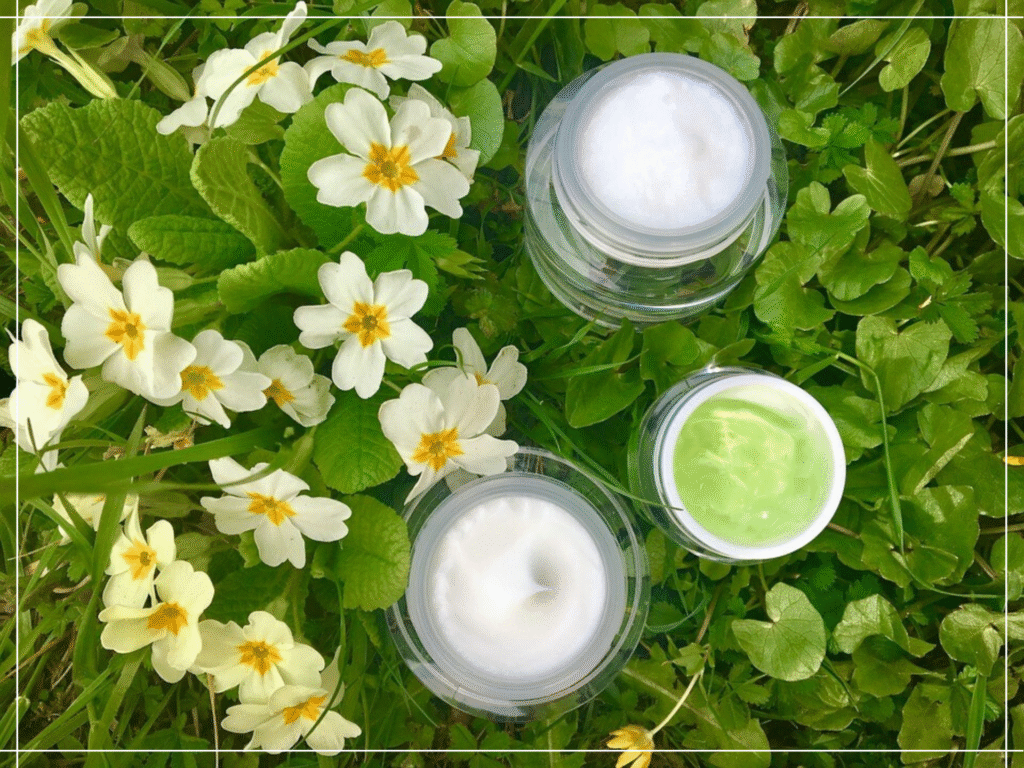
Eco-friendly products often focus on being versatile and multi-use to reduce waste. For example, a multi-use balm that serves as a moisturiser, lip balm, and cuticle cream eliminates the need for several different products, reducing overall consumption.
Multipurpose products: Products that serve more than one purpose help reduce the number of items you need to purchase, which ultimately reduces waste.
Minimalist formulations: Brands with eco-friendly principles often offer minimalist products, such as skincare items with fewer ingredients, reducing the impact on the environment while offering effective solutions.
Learn the Greenwashing Red Flags
When a company can’t back up its claims with a third-party seal or clear data, watch out for these common tricks:
| Red Flag | Description | What to Ask |
| Vague Buzzwords | Using sweeping, undefined terms like “eco-friendly,” “all-natural,” or “non-toxic” without providing specific evidence. | If you see an unfamiliar seal, search for it online to see if it belongs to a non-profit or accredited third-party organisation. |
| Green Imagery | Using excessive green packaging, leaves, trees, or nature scenes to give the impression of sustainability without any factual basis. | Does the packaging reflect the product’s actual sourcing, or is it just a marketing aesthetic? |
| The Hidden Trade-Off | Highlighting a small, single green trait while ignoring a much larger environmental issue. For example, a cleaning product in a recyclable bottle that is filled with harmful chemicals. | What about the rest of the product? Is the emphasis on packaging hiding flaws in the ingredients or production? |
| No Proof/Transparency | Making big claims but failing to provide public, verifiable data like sustainability reports, ingredient lists, or supply chain traceability. | Can I find a ‘Sustainability’ page on their website with concrete metrics and audits? |
| Imaginary Labels | Creating a fake certification seal or logo that looks official but is actually made up by the company itself. | If you see an unfamiliar seal, search for it online to see if it belongs to a nonprofit or accredited third-party organisation. |

Conclusion
Choosing eco-friendly products is a simple yet impactful way to make a positive contribution to the environment. By looking for certifications, ensuring sustainable sourcing, opting for biodegradable and non-toxic options, and supporting brands that prioritise transparency, you can confidently make purchases that align with your values. The growing demand for sustainable products is driving change in the market, and as consumers, we hold the power to encourage more companies to embrace eco-friendly practices. Start small by incorporating eco-friendly choices into your daily routine, and you’ll soon be part of a bigger movement toward a more sustainable world.
Bear in mind that some of the links in this post are affiliate links and if you go through them to make a purchase I will earn a commission. Keep in mind that I link these companies and their products because of their quality and not because of the commission I receive from your purchases. The decision is yours, and whether or not you decide to buy something is completely up to you.