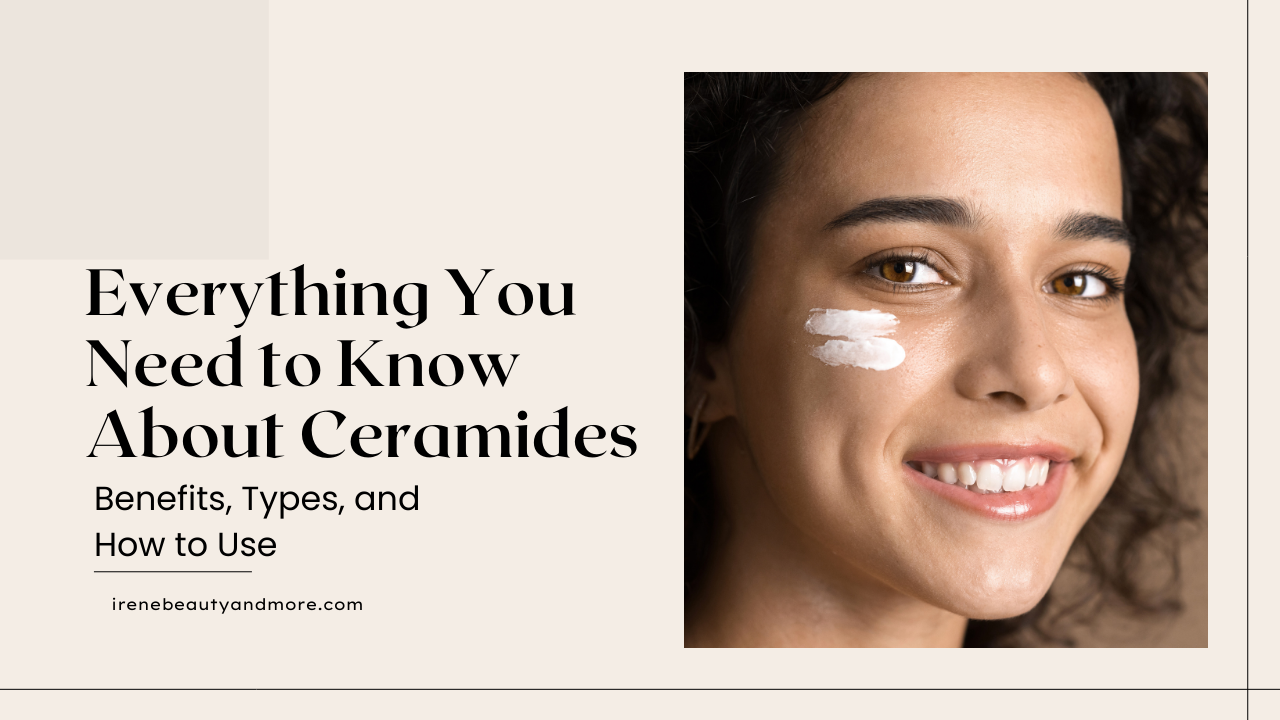
Ceramides are a key term you’ve likely seen on skincare labels, especially those that promise to reduce signs of ageing or restore hydration. But what are ceramides, and why are they so essential? While they’re frequently recommended for ageing skin, the benefits of ceramides go beyond just anti-ageing. They play a crucial role in maintaining the skin’s health and resilience.
In this post, we’ll cover everything you need to know about ceramides: what they are, why they’re beneficial, how to use them, and why everyone should consider incorporating them into their skincare routine.
What Are Ceramides?
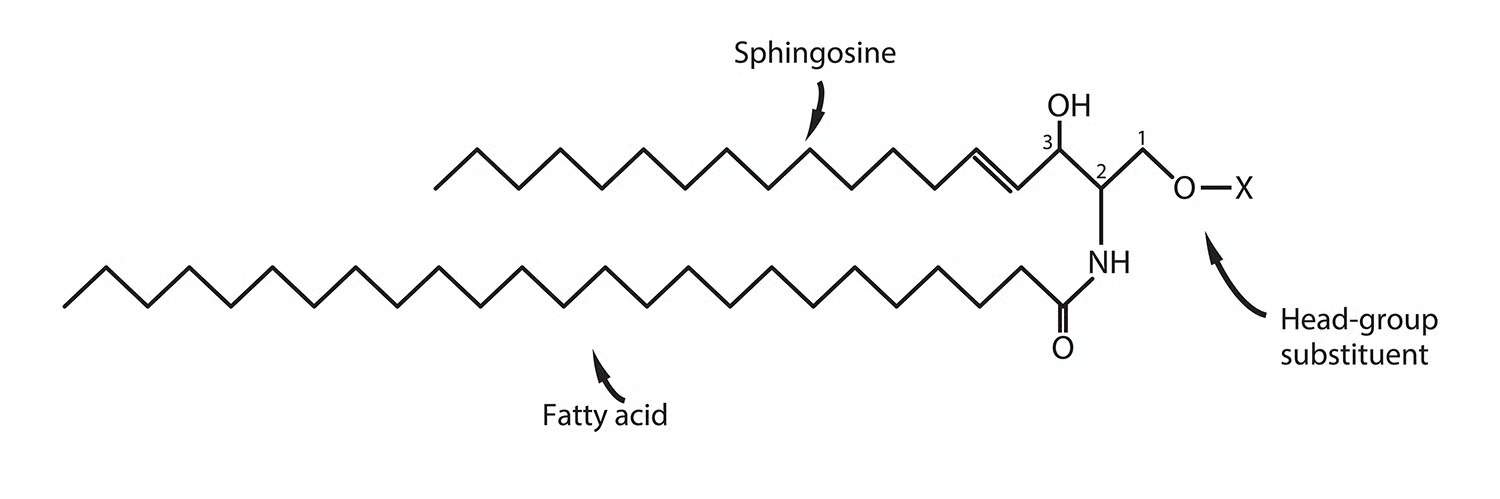
Ceramides are a type of lipid; specifically, they’re sphingolipids, which is a complex term for fats that have a structural role. They’re naturally present in our skin and make up about 50% of its outermost layer, known as the stratum corneum. Ceramides essentially act as the “glue” that binds the cells of our skin barrier together, creating a tight seal to protect against external damage and retain moisture.
In simpler terms, you can think of ceramides as the “mortar” between the “bricks” (skin cells) in the skin’s barrier. Without enough ceramides, our skin becomes vulnerable, much like a wall with crumbling mortar, which can allow moisture to escape and irritants to get in.
Nine different types of ceramides naturally occur in human skin, each contributing uniquely to skin health and hydration. They work together to maintain a smooth, resilient, and well-moisturised barrier.
Most Important Type of Ceramides in Skincare
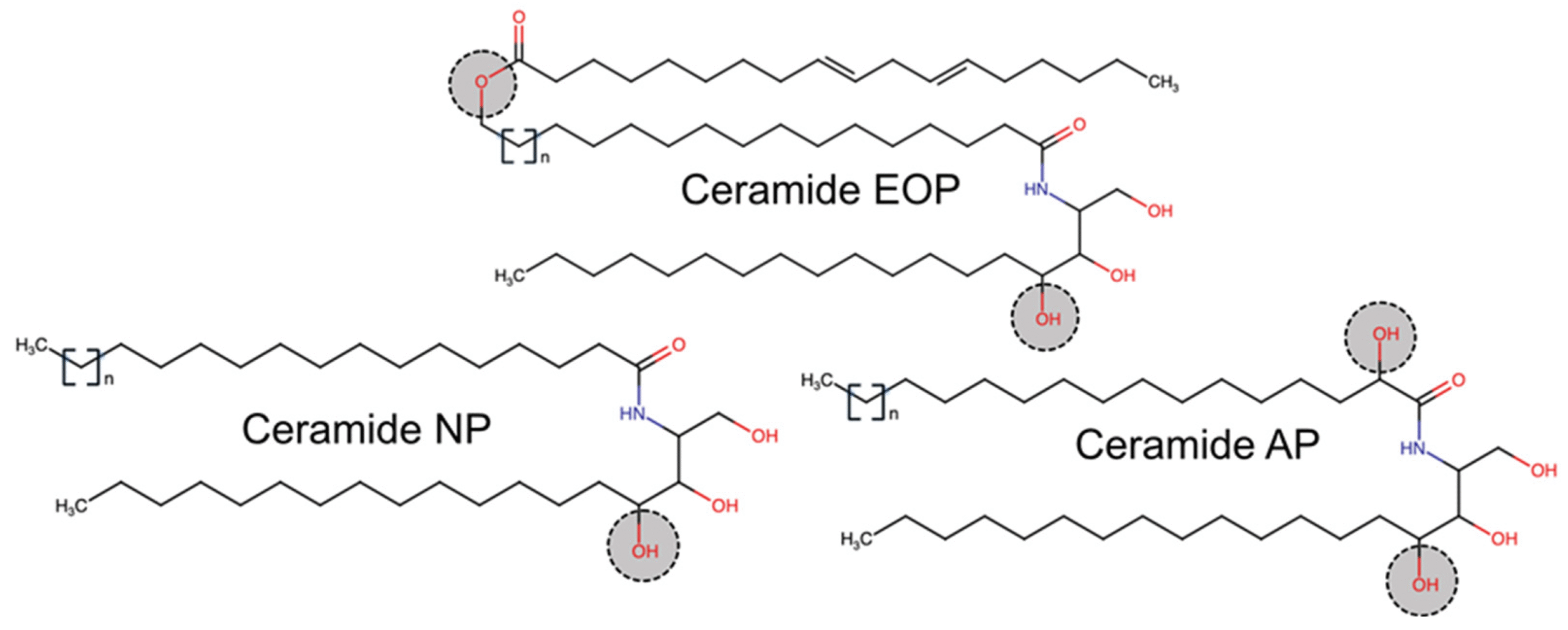
Ceramides may all share the same basic structure, but the specific composition can vary based on the fatty acid chains they contain. This slight variation affects how they function in our skin. Here’s a breakdown of some key types of ceramides and their roles:
1. Ceramides 1 (EOS)
This is the first ceramide discovered, and it is a primary binding agent in the skin’s structure. It contains a large percentage of the skin’s linoleic acid, an essential fatty acid that is crucial for maintaining a healthy skin barrier. Working alongside Ceramide 3, it significantly enhances the skin’s ability to retain moisture and maintain its firmness. Ceramide 1 makes up approximately 65% of the stratum corneum.
2. Ceramides 3 (NP)
Also known as Ceramide NP, this ceramide works closely with Ceramide 1 to strengthen the skin barrier. It’s particularly effective at locking in moisture, which makes it essential for preventing skin dehydration. Ceramide 3’s fatty acid component is stearic acid, a rich fatty acid that reinforces its moisture-retaining properties.
3. Ceramides 6-II (AP)
Ceramide 6-II is unique, as it has a structure resembling alpha-hydroxy acids (AHAs), which are known for their mild exfoliating effects. This ceramide is beneficial in promoting cell turnover, making it a great option for ageing or dull skin.
4. Ceramides 9 (EOP)
Ceramide 9, although present in smaller quantities in the skin, plays a pivotal role in helping skin stay hydrated. It is especially beneficial in colder climates where environmental factors may strip the skin of moisture.
Each ceramide type has a specific role, and they work together synergistically to strengthen the skin barrier and lock in hydration.
Why Are Ceramides Important for Skin Health?
As we age, our skin’s natural production of these molecules begins to decline, especially after age 30. This leads to a weaker skin barrier, which makes the skin prone to dryness, irritation, and sensitivity. A compromised skin barrier can also lead to inflammation, as pollutants and allergens have easier access to penetrate the skin.
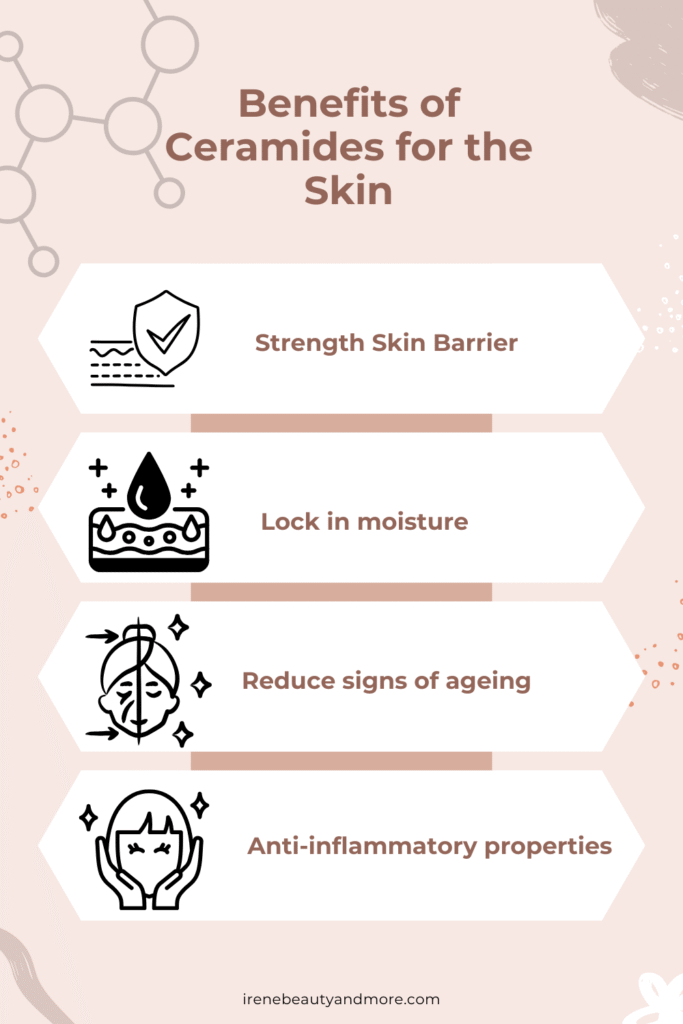
Ceramides provide essential functions such as
Strengthening the Skin Barrier: They prevent water loss and act as a shield against environmental aggressors like pollution and harsh weather.
Locking in Moisture: The lipids in these molecules trap water within the skin, helping to keep it hydrated, plump, and soft.
Reducing Signs of Ageing: By reinforcing the skin barrier and maintaining moisture, ceramides help smooth fine lines and keep the skin looking youthful.
Providing Anti-Inflammatory Benefits: They help to soothe and protect the skin from irritations and reduce the chance of inflammatory reactions.
With their ability to keep the skin resilient, hydrated, and youthful, they are a crucial component in any skincare routine, especially for those with mature, dry, or sensitive skin.
How to Use Ceramides in Your Skincare Routine
One of the best things about ceramides is that they are generally safe for all skin types, and they’re versatile enough to use both in the morning and at night.
To get the most out of them, follow these tips:
Patch Test First: Although they are safe, always do a patch test if it’s your first time using them.
Apply After Serums: They are typically found in creams or lotions, so apply them after lighter, water-based serums to lock in hydration.
Use Both Day and Night: Apply in the morning before sunscreen and in the evening as the final step of your routine.
For best results, look for products that combine a ceramide with other nourishing ingredients, like cholesterol and fatty acids, which help mimic the natural composition of your skin barrier.
Ceramides for Hair Health
Ceramides aren’t just beneficial for your skin—they’re also a boon for your hair. Naturally present in the hair cuticle, they help keep the hair smooth, shiny, and less prone to breakage.
Using hair products with these molecules can help:
Strengthen Hair Fibres: They reinforce the hair’s natural structure, making it less susceptible to breakage.
Improve Texture: Hair with ample lipids is softer, shinier, and less frizzy.
Protect Against Damage: Dyeing, heat styling, and environmental exposure can all deplete ceramide levels in hair. Using ceramide-infused products can help restore them.
For those with damaged, colored, or ageing hair, using shampoos, conditioners, or treatments with any ceramide can be a great way to keep hair healthy and resilient.
Factors That Lead to Ceramide Loss
They can be easily lost due to both intrinsic (internal) and extrinsic (external) factors:
Ageing: The natural decline in ceramide production is one of the primary reasons why skin becomes drier and thinner with age.
Skin Conditions: Skin issues like eczema, psoriasis, and dermatitis lead to compromised skin barriers and are often associated with a deficiency in these molecules.
Environmental Exposures: Exposure to cold weather, harsh wind, pollution, or UV rays can strip them away, causing the skin to become dry and more vulnerable.
Use of Harsh Skincare Products: Over-exfoliating, using strong cleansers, or using products with alcohol and fragrances can degrade the skin barrier and reduce the ceramide content.
By being mindful of these factors, we can take steps to protect the ceramides we have and supplement them through topical skincare.
How to Prevent Ceramide Loss
Here are some key tips for retaining the ceramide content in your skin:
Moisturise Regularly: Use ceramide-rich moisturisers to keep your skin hydrated.
Protect from UV Exposure: Wear sunscreen daily to prevent damage from UV rays, which accelerate ceramide loss.
Use Gentle Cleansers: Avoid cleansers with alcohol, fragrance, and sulfates, as these can strip the skin of essential lipids.
Avoid Over-Exfoliating: Exfoliating is beneficial, but too much can strip your skin barrier and cause these molecules to degrade.
Other Considerations with Ceramide Products
Ceramides are versatile, and they can be paired with almost any ingredient, including retinol, peptides, antioxidants, and hyaluronic acid. You’ll commonly find them in creams, lotions, and serums. Opt for products with synthetic ceramides, also known as pseudoceramides, which are more stable and still offer great skin benefits.
For maximum benefit, choose ceramide products stored in opaque, pump-style containers, as light and air can degrade the effectiveness of ceramides.
Did You Know?
Ceramides make up over 50% of the skin’s barrier lipids.
When levels drop, moisture loss and sensitivity increase.
My Top 3 Recommended Ceramide Products
To help you get started with ceramides, here are three products I highly recommend for different skin needs:
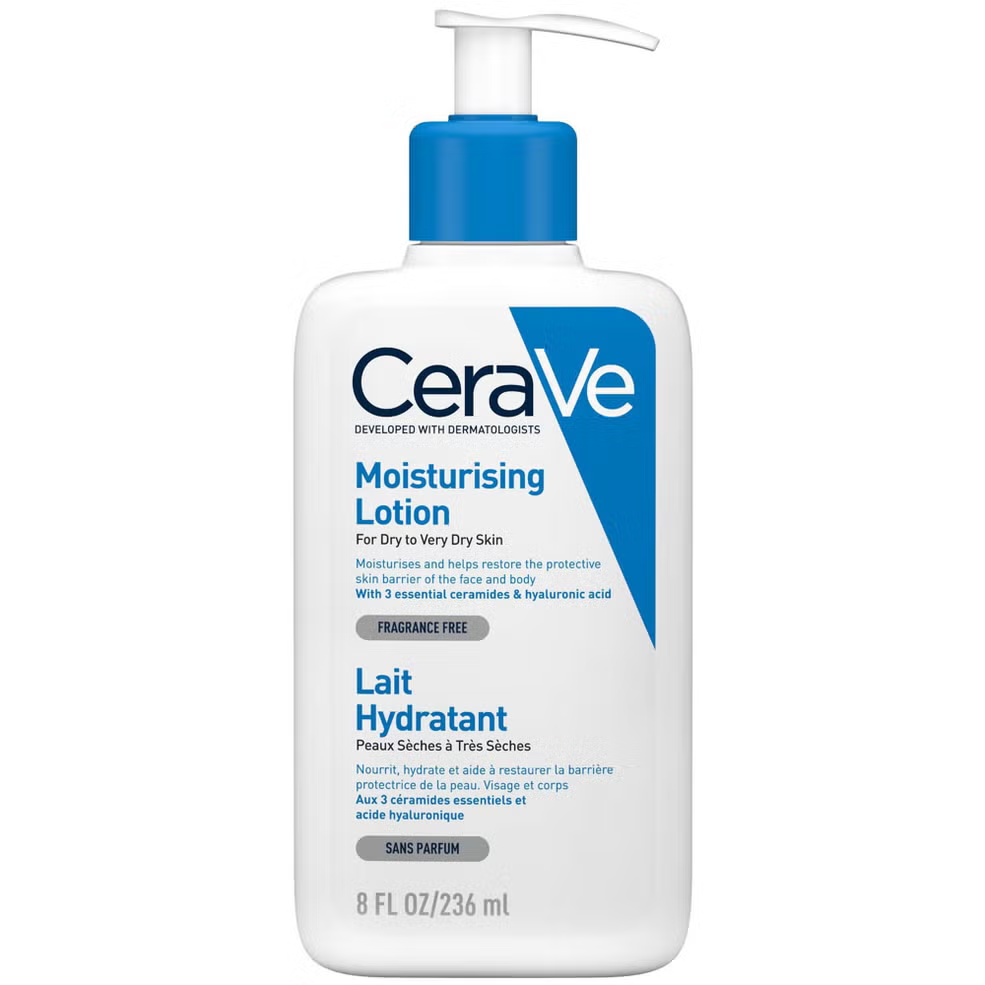
CeraVe Moisturizing Cream
Known for its simple, gentle formula, this cream is packed with ceramides and is fragrance-free, making it ideal for sensitive skin.
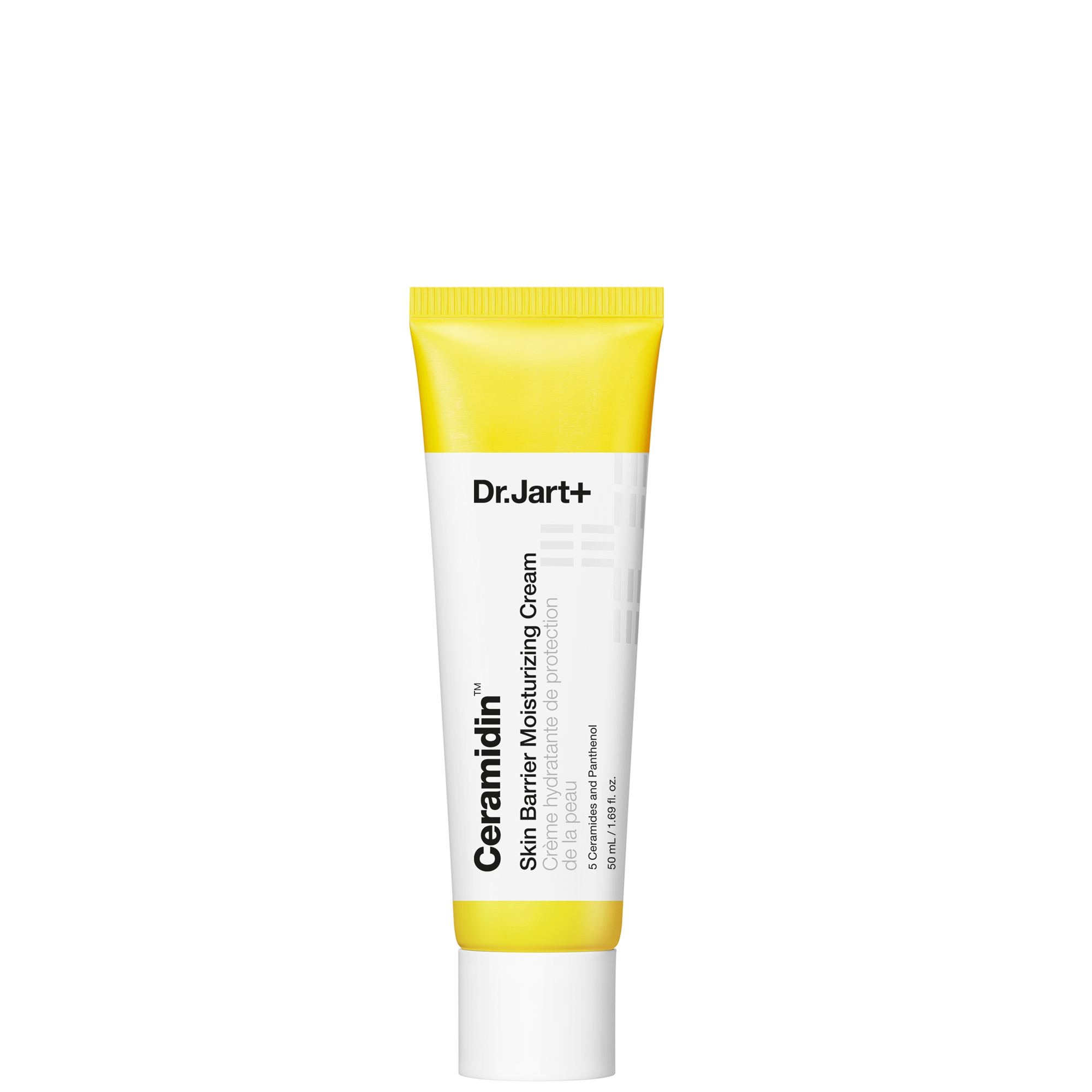
Dr. Jart+ Ceramidin Cream
This rich cream is ideal for those needing a hydration boost and is great for dry or ageing skin.
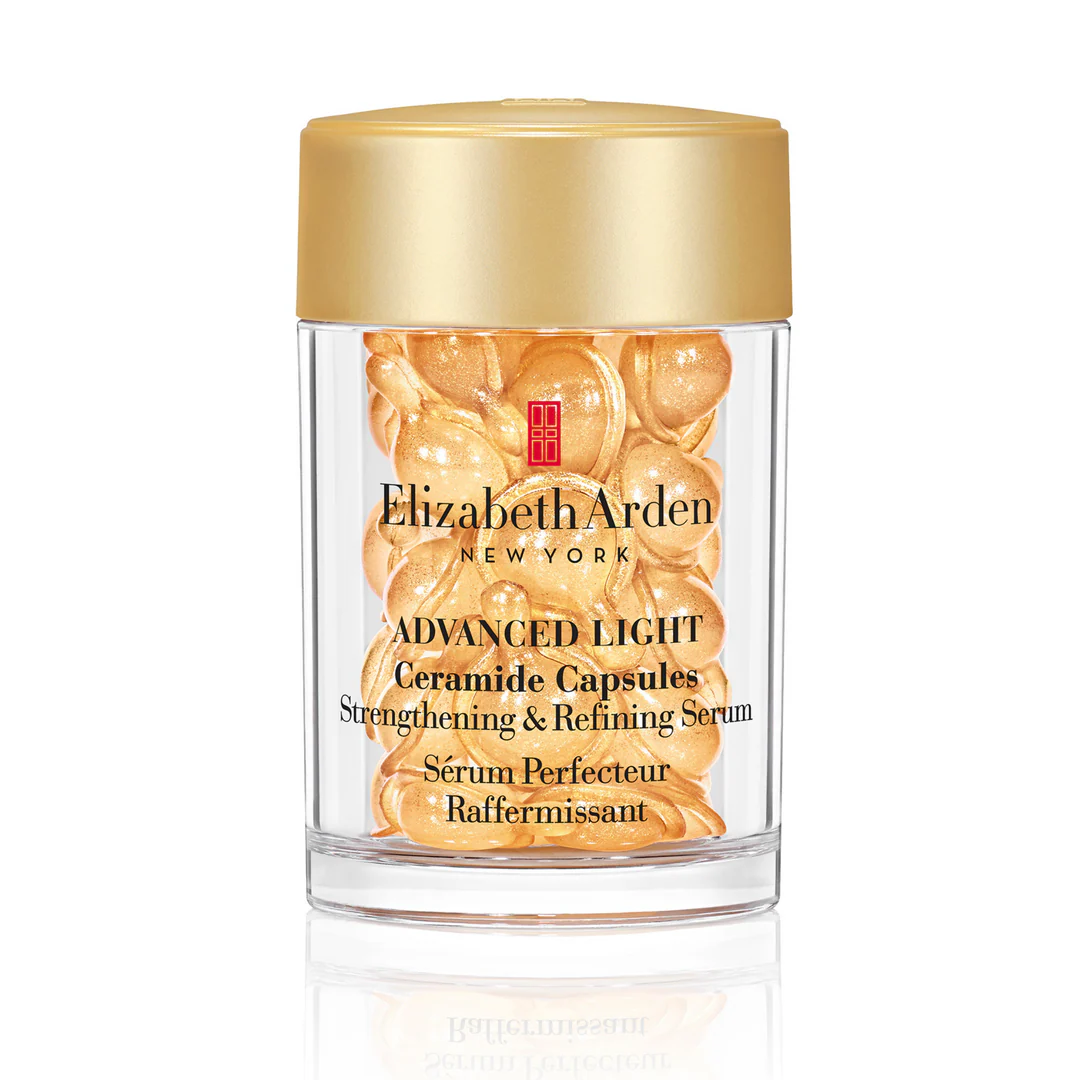
Elizabeth Arden Advanced Ceramide Capsules
These convenient, single-use capsules are enriched with ceramides and other anti-ageing ingredients, perfect for targeted application.
Conclusion
Incorporating ceramides into your skincare routine is an investment in long-term skin health, especially as we age or face harsh environmental stressors. By understanding the role of ceramides and how they function as the skin’s protective glue, you can make more informed choices in selecting products that suit your skin type and needs. Whether you’re aiming to prevent moisture loss, strengthen your skin barrier, or reduce signs of ageing, ceramides provide a natural and effective solution. With a variety of ceramide-infused products available, from lightweight lotions to deeply nourishing creams, there’s something for everyone. So, if you haven’t already, consider adding ceramides to your daily routine—your skin will thank you!
Bear in mind that some of the links in this post are affiliate links and if you go through them to make a purchase I will earn a commission. Keep in mind that I link these companies and their products because of their quality and not because of the commission I receive from your purchases. The decision is yours, and whether or not you decide to buy something is completely up to you.