Everything You Need to Know About Hypochlorous Acid in Skincare
Skincare is always evolving, and every so often, a new ingredient steps into the spotlight, not because it’s trendy, but because it genuinely works. One of those game-changing discoveries is hypochlorous acid (HOCl).
You might’ve noticed it popping up in facial mists, sprays, and soothing treatments, often marketed for calming redness, healing breakouts, or refreshing skin after cleansing. But what exactly is hypochlorous acid, and why are dermatologists so excited about it?
Let’s break down everything you need to know about this multitasking molecule, from its fascinating origins in your own body to the way it transforms irritated or acne-prone skin into a calmer, clearer complexion.
What Is Hypochlorous Acid?
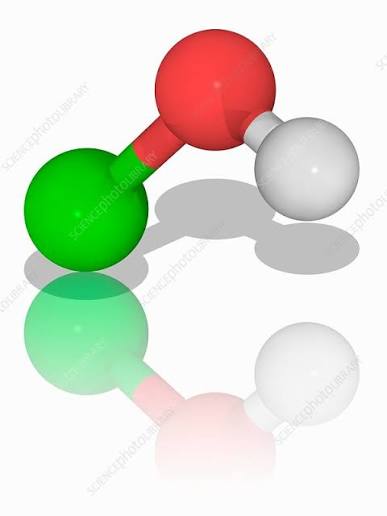
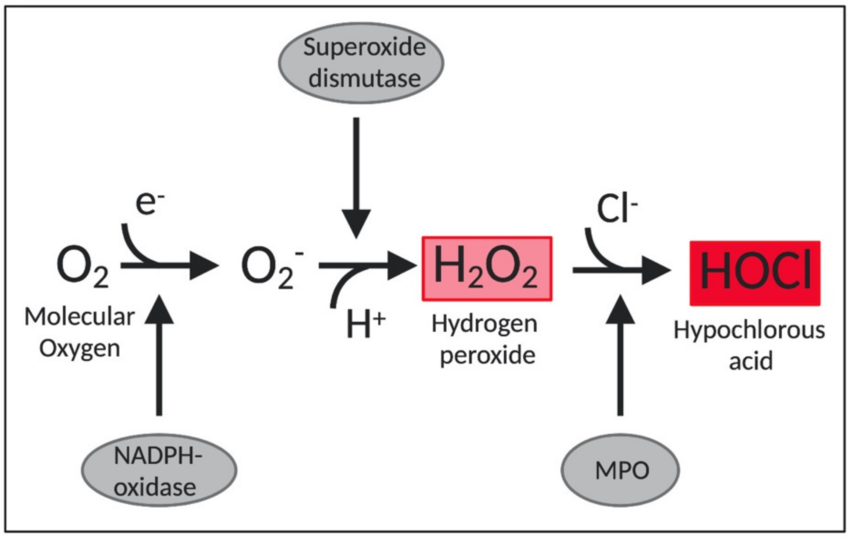
Hypochlorous acid (HOCl) is a naturally occurring molecule produced by your white blood cells as part of the body’s immune response. When your skin or tissues are damaged, your immune system generates HOCl to fight bacteria, viruses, and inflammation while promoting healing.
Chemically speaking, HOCl is a weak acid formed when chlorine dissolves in water, but don’t let that alarm you, this isn’t household bleach. In fact, hypochlorous acid is non-toxic, non-irritating, and perfectly skin-safe when properly formulated.
It’s been used in hospitals for decades as a wound care and sanitising agent because of its ability to destroy harmful microorganisms without harming healthy tissue. Skincare brands have recently harnessed this gentle yet potent power, creating products that soothe, disinfect, and protect the skin barrier.
How Hypochlorous Acid Works on the Skin
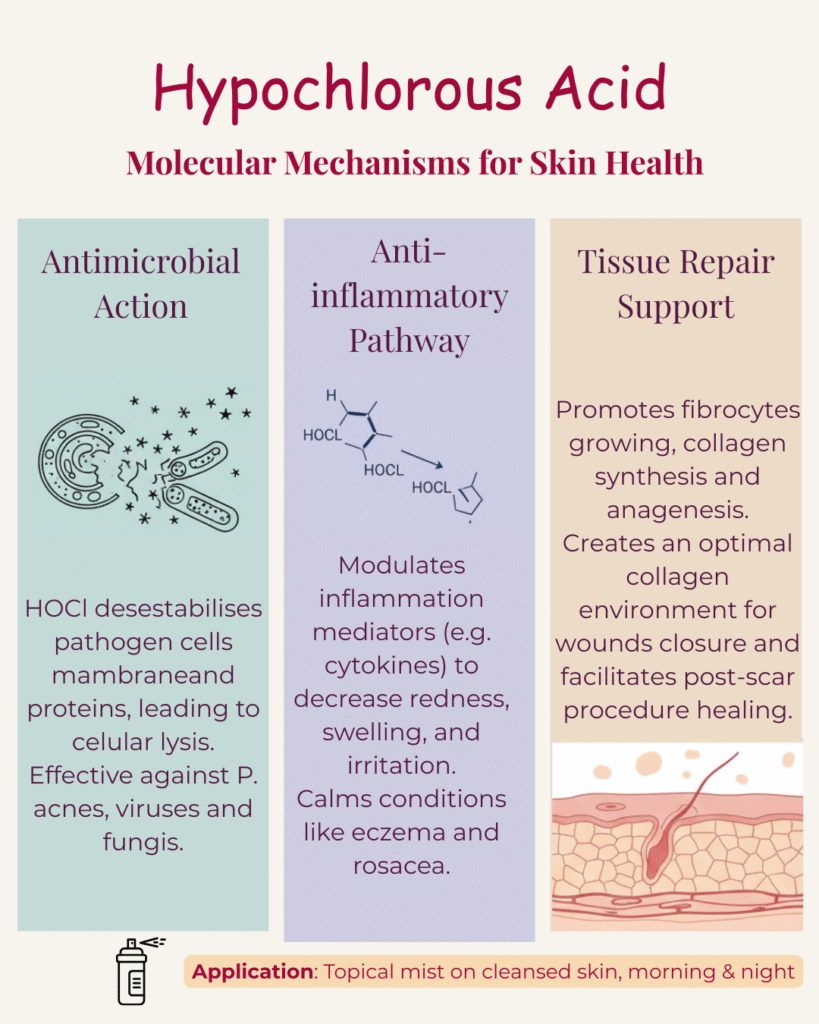
HOCl works in several complementary ways:
- Antimicrobial action:
It neutralises harmful bacteria, viruses, and fungi that cause acne, irritation, and infections. - Anti-inflammatory effect:
HOCl reduces redness and swelling by calming the immune response at the skin’s surface. - Barrier repair and healing:
It accelerates wound healing by supporting the skin’s natural regenerative processes and reducing oxidative stress. - Antioxidant protection:
HOCl helps fight free radicals, preventing premature ageing and oxidative damage.
In short, it’s a rare combination: powerful enough to disinfect yet gentle enough for even the most sensitive skin, including eczema-prone or rosacea-affected complexions.
Key Benefits of Hypochlorous Acid in Skincare
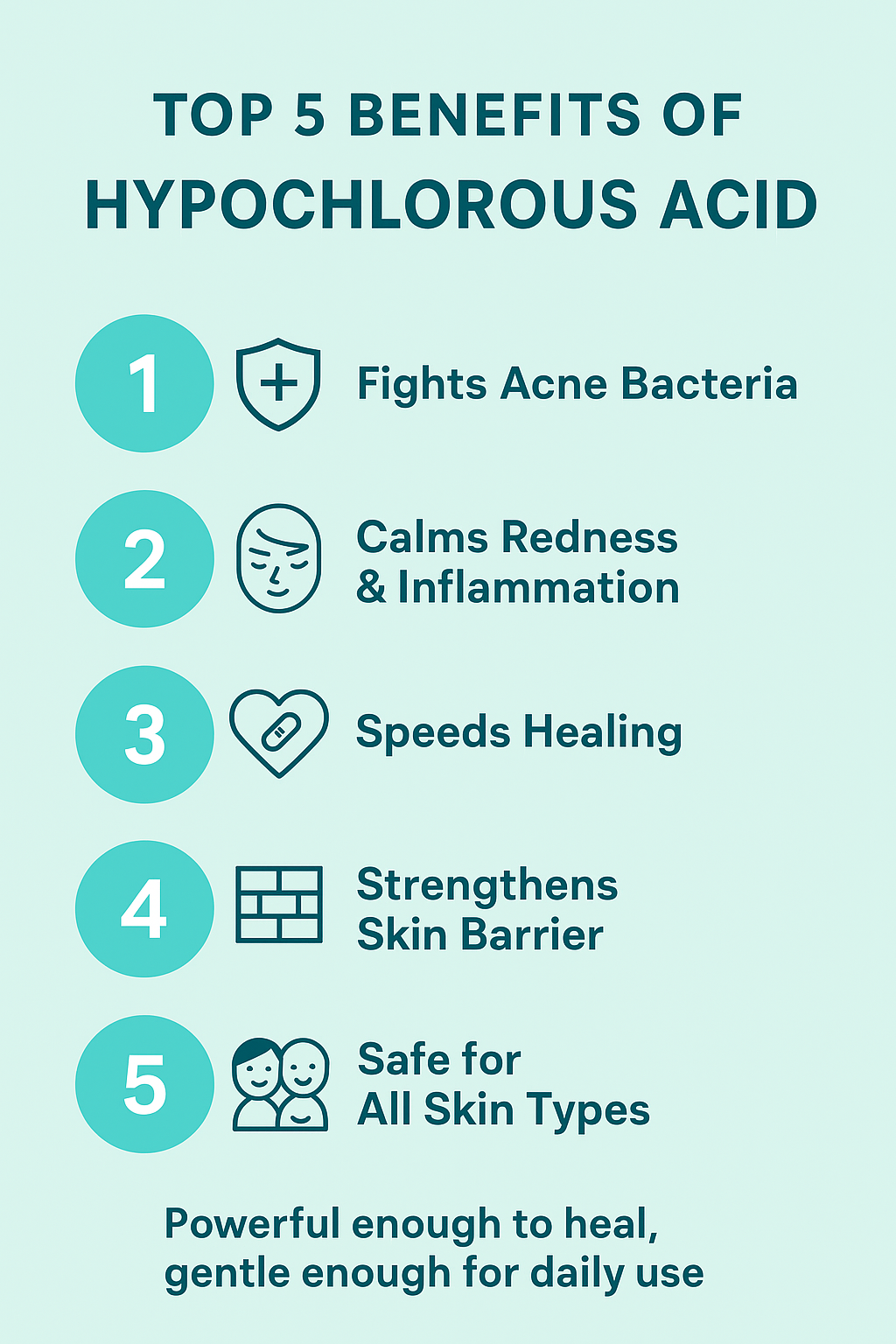
1. Reduces Inflammation and Redness
Hypochlorous acid is a godsend for anyone with reactive or irritated skin. It soothes inflammation triggered by acne, allergies, or environmental stress, restoring calmness to the complexion without the sting of alcohol or acids.
2. Fights Acne-Causing Bacteria
HOCl targets Cutibacterium acnes, the bacteria responsible for acne breakouts. Unlike harsh antibacterials, it kills pathogens without disrupting the skin’s microbiome, meaning fewer breakouts and no dryness.
3. Speeds Up Wound Healing
If you’ve ever picked at a blemish or undergone a cosmetic procedure, HOCl helps accelerate the recovery phase by keeping the area clean and reducing irritation.
4. Gentle on Sensitive Skin
It’s fragrance-free, alcohol-free, and suitable for all skin types, even those with rosacea, eczema, or post-procedure sensitivity.
5. Balances Skin Barrier
By reducing inflammation and preventing microbial overgrowth, it indirectly supports your skin barrier function, improving hydration and resilience.
6. Refreshes and Revitalises
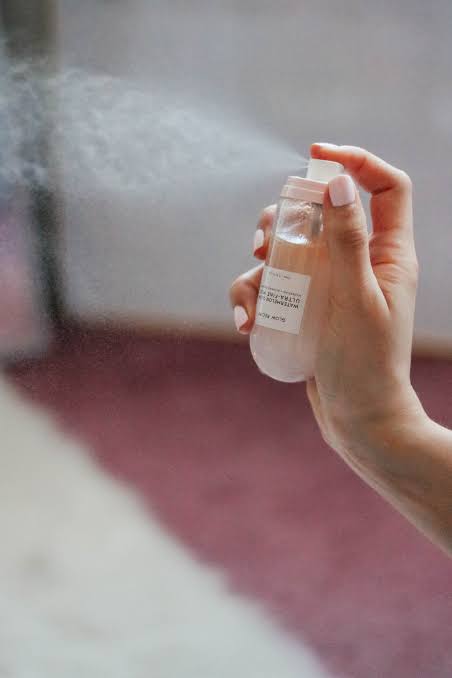
Many HOCl sprays are designed to be used throughout the day, over makeup or bare skin, to instantly refresh, calm, and rehydrate.
How Is Hypochlorous Acid Made?
Skincare-grade HOCl is typically created through a process called electrolysis, where salt (sodium chloride), water, and electricity are combined. The reaction produces two compounds: hypochlorous acid (HOCl) and sodium hydroxide (NaOH). The balance between these two determines the solution’s pH and stability.
Since HOCl is naturally unstable, advanced formulations use controlled pH (around 4.5–5.5) and airtight packaging to keep it effective. The best products often come in dark or opaque bottles to protect from light degradation.
How to Use Hypochlorous Acid in Your Routine
One of the best things about HOCl is its versatility. You can easily incorporate it into almost any routine:
- As a facial mist:
After cleansing and before serums, spritz to calm irritation and prep your skin. - Post-workout or post-procedure:
Spray on after exercise or treatments like microneedling or waxing to disinfect and soothe. - Over makeup:
A few spritzes during the day can refresh your face and reduce maskne or bacteria build-up. - On breakouts or eczema patches:
Apply directly to affected areas to reduce redness and speed healing.
Pro Tip
Let it air-dry naturally; don’t wipe it off. HOCl works best when left to interact with your skin’s surface.
Product Recommendations Featuring Hypochlorous Acid
Here are some excellent options available in the UK:
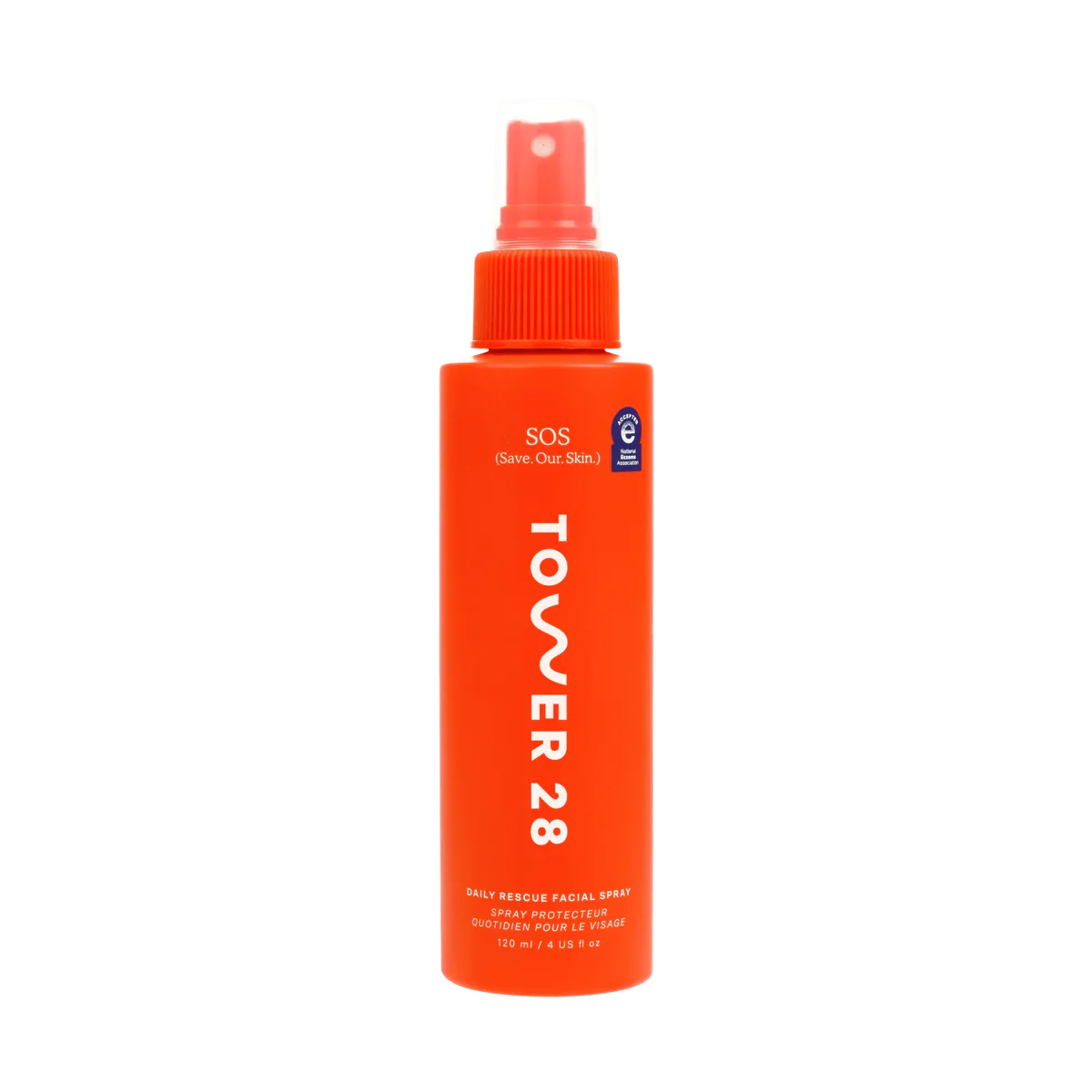
Tower28 – SOS Daily Rescue Facial Spray
A cult hypochlorous acid mist designed to reduce redness, calm irritation, and support sensitive or acne-prone skin with frequent daily use.
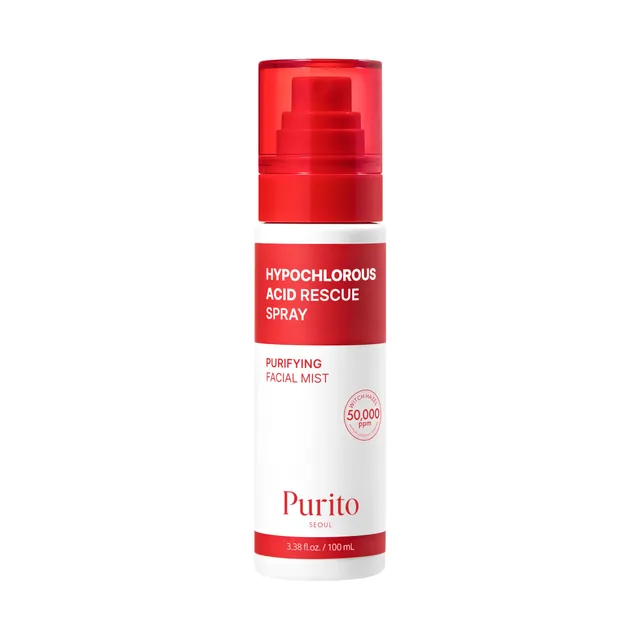
Purito – Hypochlorous Acid Rescue Spray
A fragrance-free hypochlorous acid spray focused on calming irritation and supporting barrier recovery in sensitive skin types.
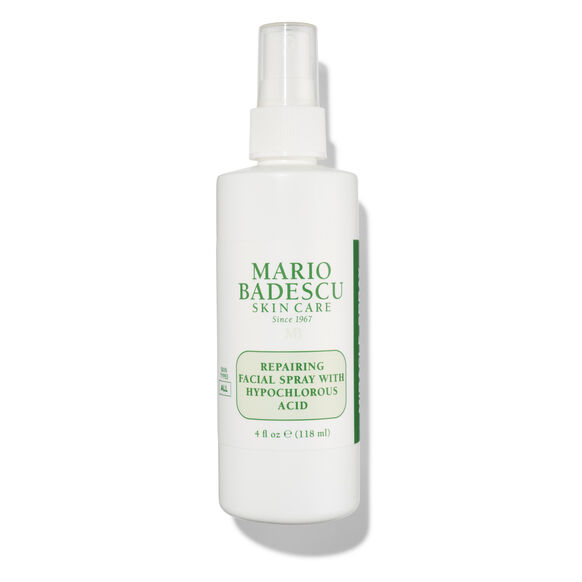
Mario Badescu – Repairing Facial Spray With Hypochlorous Acid
A lightweight hypochlorous acid mist designed to calm visible redness and soothe stressed or reactive skin. Suitable for use throughout the day without disturbing makeup or skincare
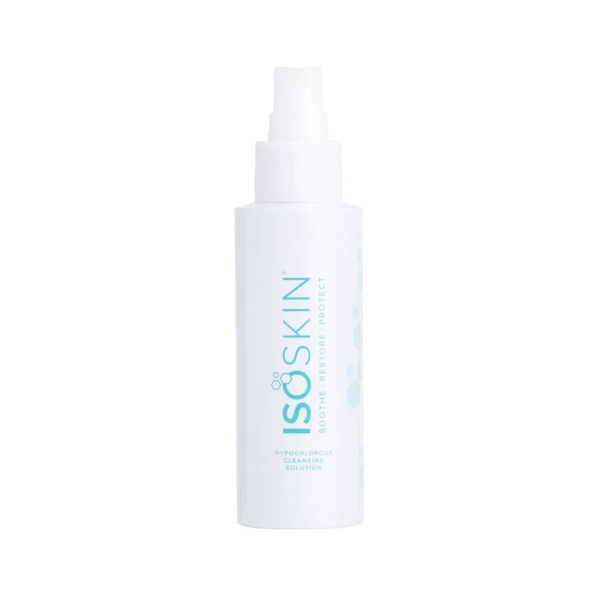
ISOSKIN – Hypochlorous Spray
A gentle, multipurpose hypochlorous acid spray that supports skin hygiene while remaining suitable for sensitive and compromised skin barriers
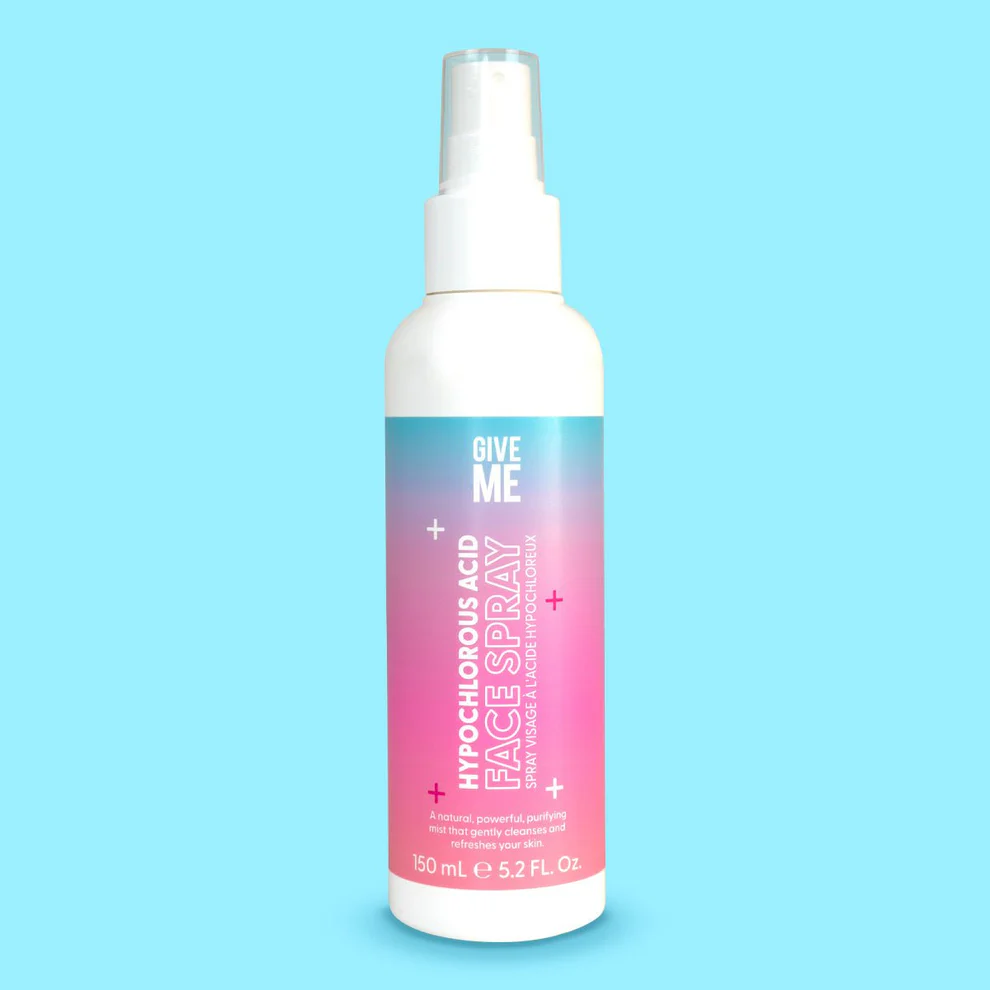
GiveMe – Hypochlorous Acid Face Spray
A minimalist hypochlorous acid facial mist formulated to soothe reactive or blemish-prone skin and fit easily into simple daily routines
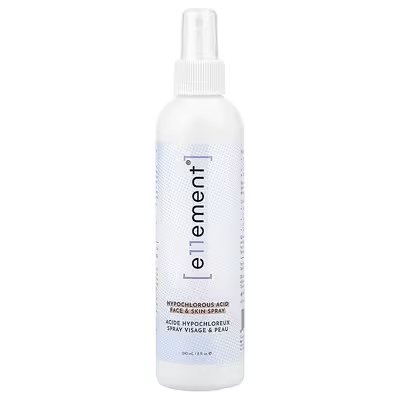
e11ement – Hypochlorous Acid Face & Skin Spray LLM
A budget-friendly hypochlorous acid spray for face and body, commonly used to calm breakouts, irritation, and post-workout skin stress
The Science Behind Its Safety and Effectiveness
Multiple dermatological studies show that hypochlorous acid:
- Eliminates up to 99.9% of bacteria (including MRSA and E. coli)
- Reduces redness and irritation within hours of application
- Supports faster wound closure and barrier repair
- Causes no cytotoxicity, meaning it doesn’t damage skin cells
These findings explain why HOCl is used in hospitals for treating burns, wounds, and even eye infections — and why dermatologists trust it for compromised skin.
Is hypochlorous acid the same as bleach?
No. While both involve chlorine chemistry, bleach is sodium hypochlorite, highly alkaline and corrosive. HOCl is much milder, safe for skin, and pH-balanced
Can it be used with actives like retinol or acids?
Absolutely. HOCl doesn’t interfere with active ingredients and may even help reduce irritation from strong actives
Does it replace my toner?
You can use it as a soothing toner alternative or before serums. It’s more about calming and protecting than exfoliating or tightening pores.
Who Should Use Hypochlorous Acid?
Hypochlorous acid suits every skin type, but it’s particularly beneficial for:
- Acne-prone skin: Fights bacteria and reduces inflammation
- Sensitive or rosacea-prone skin: Calms redness without irritation
- Post-procedure care: Gentle healing support
- Dry, irritated, or eczema-prone skin: Restores balance and reduces flare-ups
- Athletes or mask-wearers: Prevents bacterial buildup and breakouts
Did You Know?
Hypochlorous acid is the same compound your white blood cells produce to fight infections and heal cuts, now bottled safely for your skincare routine
Possible Side Effects and Limitations
When formulated properly, hypochlorous acid is extremely safe, even for daily use. However, poor formulations or expired products may lose efficacy. Look for:
- pH around 4.5–5.5
- Opaque, sealed packaging
- Short ingredient list (often just water, sodium chloride, hypochlorous acid)
Avoid DIY recipes, HOCl requires precise electrochemical conditions for stability and safety.
Hypochlorous Acid (HOCl):
A naturally produced molecule in the immune system with antimicrobial and healing properties.
Electrolysis:
A process using electricity to create HOCl from water and salt.
Antioxidant:
A molecule that neutralises free radicals and reduces oxidative stress.
Conclusion: A Modern Miracle for Sensitive Skin
Hypochlorous acid might not sound glamorous, but it’s one of the most effective, science-backed ingredients you can add to your skincare routine. It heals, soothes, protects, and strengthens — all without irritation.
If your skin is prone to flare-ups, acne, or redness, this is your secret weapon. A simple mist can make a world of difference, proving that sometimes the best skincare ingredients are the ones your body already knows how to make.
Bear in mind that some of the links in this post are affiliate links and if you go through them to make a purchase I will earn a commission. Keep in mind that I link these companies and their products because of their quality and not because of the commission I receive from your purchases. The decision is yours, and whether or not you decide to buy something is completely up to you.